





Executive Summary
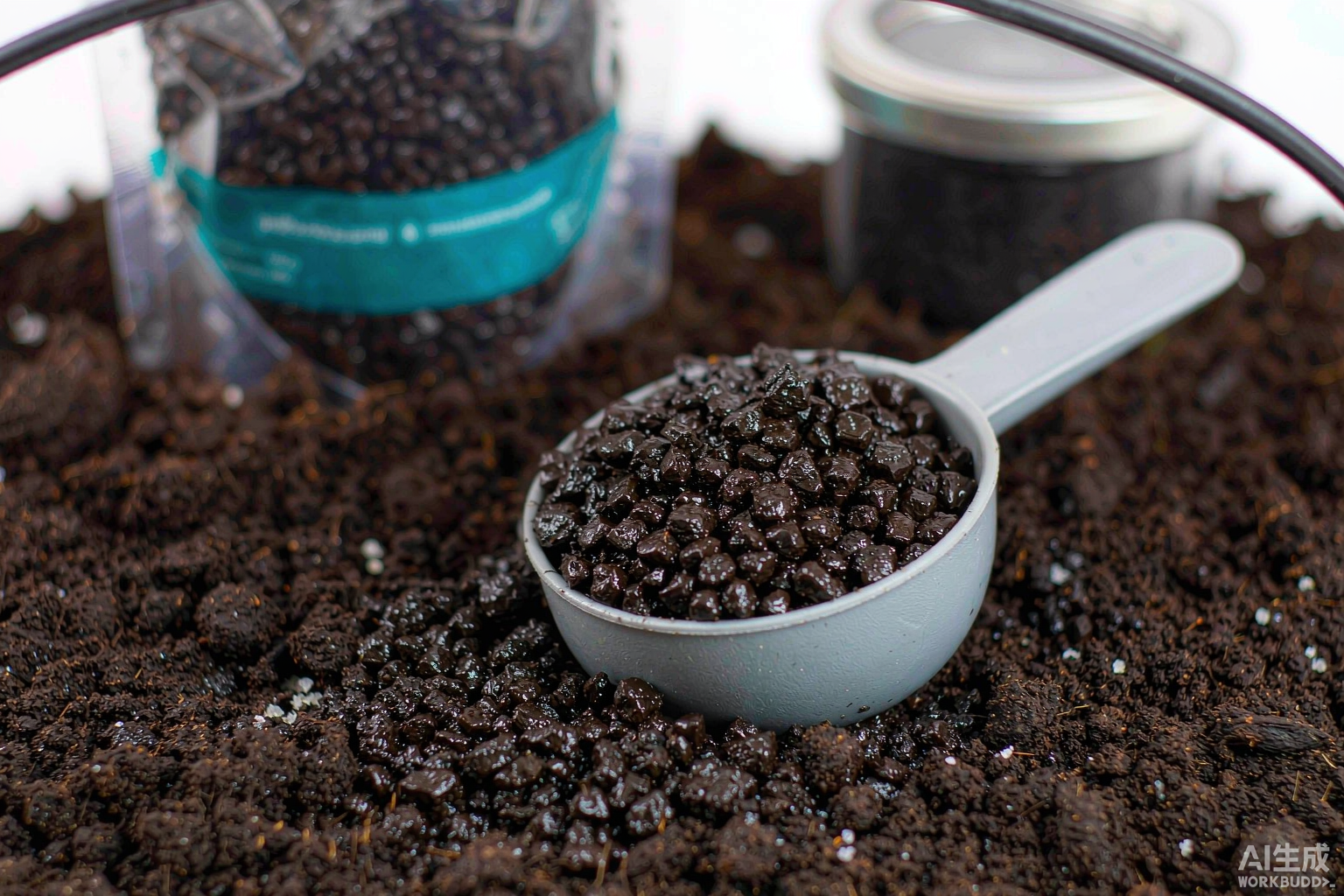
Iron Humate (Ferric Humate) is a natural organic-metal complex formed by the interaction of iron and humic substances (humic/fulvic acids). It represents an advanced concept in modern agricultural nutrient management: efficiently supplying essential micronutrients (iron) while systematically improving soil health. This article comprehensively elaborates on the value of Iron Humate as a dual-purpose agricultural input, covering its scientific basis, mechanisms of action, comparative advantages, crop-specific applications, and practical guidelines.
Chapter 1: Understanding Iron Humate – Science and Definition
1.1 What is Iron Humate?
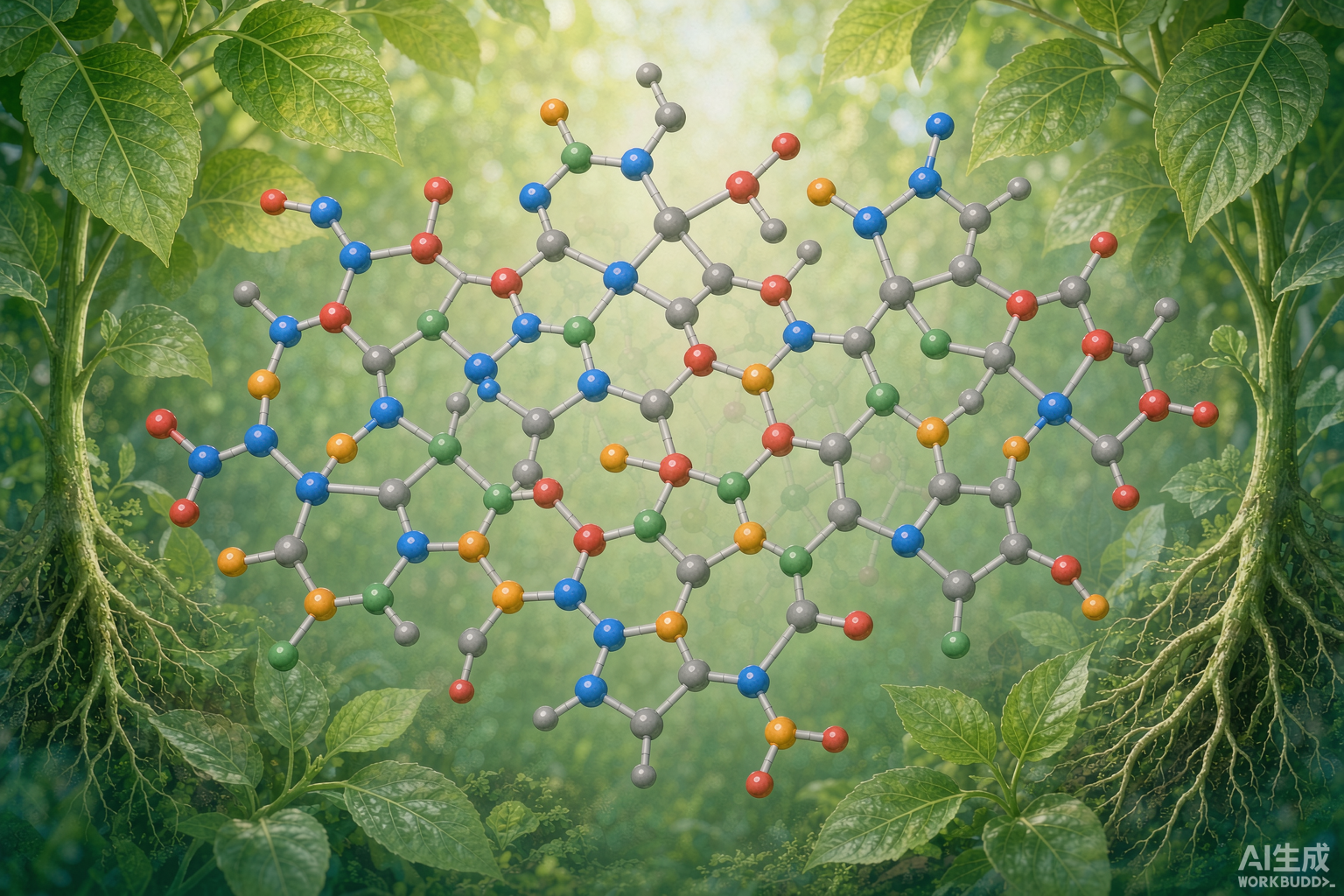
Iron Humate is a naturally occurring macromolecular organic substance with a complex chemical structure. Its core is a stable complex formed by the chelation and complexation of humic substances with iron ions (Fe²⁺/Fe³⁺). This unique structure distinguishes it from traditional inorganic iron fertilizers or synthetic chelated iron.
1.2 Key Component: The Foundational Role of Humic Acids
Humic acids are the core component of soil organic matter, the ultimate product of the decomposition and transformation of plant and animal residues by microorganisms. In Iron Humate, humic acids play a dual role:
- Chelating Agent: Its various functional groups (e.g., carboxyl, phenolic hydroxyl groups) firmly “bind” iron ions, forming a protective shield that prevents iron from being immobilized or oxidized in the soil.
- Soil Conditioner: It possesses excellent physical, chemical, and biological amendment capabilities, making it key to enhancing soil fertility.
Chapter 2: Dual-Action Mechanism
The value of Iron Humate lies in its synergistic “Nutrition + Soil Improvement” mechanism.
2.1 Mechanism as an Efficient Iron Source
- Slow Release and Protection: The humic acid-iron complex has good solubility in water but resists precipitation by soil phosphates, carbonates, etc. It acts like a “smart reservoir,” slowly releasing iron ions based on environmental conditions and root exudates (H⁺ ions, chelators), significantly extending iron availability and reducing application frequency.
- High Mobility and Uptake Efficiency: Compared to inorganic iron, humate-iron molecules are smaller, more mobile in the soil solution, and can reach the root surface more effectively via mass flow and diffusion.
2.2 Mechanism as a Soil Conditioner
- Physical Improvement: Humic acids are natural “soil aggregators,” promoting the formation of soil micro-aggregates, thereby increasing soil porosity, improving aeration, and enhancing water retention capacity.
- Chemical Improvement: Humic acids significantly increase the soil’s Cation Exchange Capacity (CEC), enabling the soil to retain more nutrient cations like potassium, calcium, magnesium, and ammonium nitrogen, reducing nutrient leaching.
- Biostimulation: Humic acids provide a high-quality carbon and energy source for beneficial soil microorganisms (e.g., nitrogen-fixing bacteria, phosphate-solubilizing bacteria), stimulating microbial activity and proliferation, which in turn mobilizes inherent soil nutrients.
2.3 Synergistic Effects: Overall Benefits for Plants
The combined action of the above mechanisms ultimately results in:
- Stimulated Root Development: A more extensive root system means a larger nutrient absorption area.
- Enhanced Stress Resistance: Healthy soil and robust plants are better equipped to cope with adversities like drought and salinity.
- Improved Fertilizer Use Efficiency: By mobilizing soil nutrients and reducing fixation and leaching, it enhances the effectiveness of other applied fertilizers.
Chapter 3: Objective Comparison: Iron Humate vs. Synthetic Chelated Iron
An objective comparison is crucial when selecting an iron source.
| Characteristic | Synthetic Chelated Iron (e.g., EDDHA, EDTA) | Iron Humate (Ferric Humate) |
| Speed of Action | Very rapid, visible results within days | Slow-release & long-lasting, foliar effects in days, soil improvement takes weeks/months |
| Primary Focus | Singular nutrient supply, primarily addresses plant iron deficiency | Systemic ecological improvement, addresses both iron deficiency and soil degradation |
| Persistence | Shorter, prone to degradation especially under high temp/rainfall | Persistent and stable, provides iron throughout the growing season |
| Soil Impact | Minimal to no soil improvement; long-term use may inhibit some microbes | Significantly improves soil physical, chemical, and biological properties |
| Environmental Profile | Some types (e.g., EDTA) are persistent, potential for environmental residue | Naturally biodegradable, environmentally safe, suitable for organic systems |
| Ideal Use Case | Emergency treatment for severe chlorosis | Long-term soil management, preventive nutrition, organic agriculture |
Conclusion: The two are not simple substitutes but rather complementary. Synthetic chelated iron is irreplaceable for acute iron deficiency; however, Iron Humate is the superior choice for long-term strategies aimed at enhancing soil health and achieving sustainable agricultural development.
Chapter 4: Crop-Specific Applications and Benefits
Iron Humate is effective for a wide range of crops, particularly those sensitive to iron deficiency or grown in soils prone to iron fixation.
- High-Value Fruit Trees & Berries (Citrus, Grapes, Strawberries, Blueberries):
- Challenge: Highly susceptible to iron chlorosis in alkaline or calcareous soils, leading to leaf chlorosis, reduced photosynthesis, and severely impacted fruit Brix, color, and yield.
- Iron Humate Solution: Provides a stable, continuous iron supply via soil application or drip irrigation, preventing chlorosis at its root. Its mild acidifying effect helps improve rhizosphere pH, ideal for acid-loving crops like blueberries.
Field & Cash Crops (Soybeans, Corn, Cotton, Peanuts):
- Challenge: Iron deficiency causes stunting, low photosynthetic efficiency, affecting pod set, fiber strength, or pod filling.
- Iron Humate Solution: Promotes deeper root growth, enhancing drought resistance. For peanuts, it significantly improves iron uptake, directly boosting pod yield and quality.
Vegetables & Protected Cropping (Tomatoes, Cucumbers, Leafy Greens):
- Challenge: Soil degradation, salinization, and nutrient imbalance due to intensive monoculture and continuous cropping.
- Iron Humate Solution: Effectively mitigates replant problems, improves soil structure, mobilizes fixed phosphorus and potassium, increases fertilizer use efficiency, and ensures vegetable quality and yield.
- Ornamentals & Turfgrass (Rhododendrons, Gardenias, Golf Course Turf):
- Challenge: Leaf chlorosis directly reduces ornamental value; turf requires maintained lush green color.
- Iron Humate Solution: Foliar sprays quickly restore vibrant leaf color; soil application provides continuous iron nutrition and improves turfbed quality, extending the green period.
Chapter 5: Practical Application Guidelines
5.1 Application Methods & Recommended Dosage (Reference)
| Method | Recommended Dosage | Notes & Precautions |
| Soil Basal/Top Dressing |
Soluble Powder/Granules: 6-10 kg/ha | Incorporate into soil or apply via drip system in split applications. |
| Drip Irrigation/Fertigation | Liquid Formulation: 20-30 L/ha | Can be split into 2-3 applications for even distribution. |
| Foliar Spray | 25-100g / 100 L water | Repeat every 10-14 days. Avoid spraying during midday heat. Conduct a compatibility jar test before tank mixing. |
5.2 Integrated Application Strategy: Combining Short & Long-Term Solutions
We recommend the following integrated strategy for maximum benefit:
- Acute Phase (Severe Chlorosis): Immediately use synthetic chelated iron (e.g., EDDHA) for foliar spray to achieve rapid correction (Symptom Relief).
- Recovery & Long-Term Management Phase: Simultaneously apply Iron Humate to the root zone to initiate soil improvement and establish a long-term iron reserve (Addressing the Cause).
- Maintenance Phase: Apply Iron Humate regularly as a basal or top dressing each season to continuously maintain soil health and prevent the recurrence of iron deficiency.
Chapter 6: Quality Assurance and Frequently Asked Questions (FAQ)
6.1 Procurement & Usage Checklist
✅ Technical Data Sheet (TDS): Confirm product composition, specifications, and usage recommendations.
✅ Certificate of Analysis (COA): Verify iron content, solubility, and heavy metal levels (e.g., Pb, Cd, As) to ensure they meet safety standards.
✅ Safety Data Sheet (SDS): Review for safe handling, storage, and emergency measures.
✅ Organic Certification (if applicable): For use in organic agriculture, confirm the product holds valid organic input certification from a recognized body.
- 6.2 Frequently Asked Questions
- Q: Does Iron Humate work immediately?
A: Foliar application typically shows greening effects within days. However, deeper benefits like soil structure improvement and microbial community establishment take weeks or months to fully manifest. It is a strategic investment. - Q: Is it safe and suitable for organic farming?
A: Yes, provided you select a high-quality, certified product. Our supplied Iron Humate undergoes strict heavy metal testing and can be provided with relevant organic certifications upon request. Always verify the certificates during procurement. - Q: How does it mix with other pesticides or fertilizers?
A: While generally compatible, it is always recommended to perform a “jar test” before any large-scale tank mixing. Mix the intended products in a small container of water in the correct proportions and observe for precipitation, flocculation, heat generation, or separation.
Chapter 7: Summary and Our Commitment
Summary
Iron Humate is more than just an iron fertilizer; it is a soil health management tool. Through its unique organic-metal complex structure, it integrates rapid nutrient supplementation with long-term ecological improvement, offering a sustainable pathway to address the soil challenges posed by intensive agriculture.
Our Commitment
As a professional exporter of humate-based products, we commit to:
- Providing High-Quality Products: Every batch of Iron Humate is accompanied by complete COA, SDS, and TDS documentation, ensuring transparent composition, reliable quality, and safe use.
- Offering Professional Agronomic Support: Our technical team can provide customized application plans based on your specific crops, soil test results, and climatic conditions.
- Advancing Sustainable Agriculture: We are dedicated to working with global partners to promote sustainable agriculture through innovative products like Iron Humate.
Let’s start by improving the soil to build a more resilient and productive future for your farm.
Interested in JINGFENG’s humic and fulvic acid products? Explore our full range of high-quality biostimulants and organic fertilizers.

Leave a Comment
Your email address will not be published. Required fields are marked *