





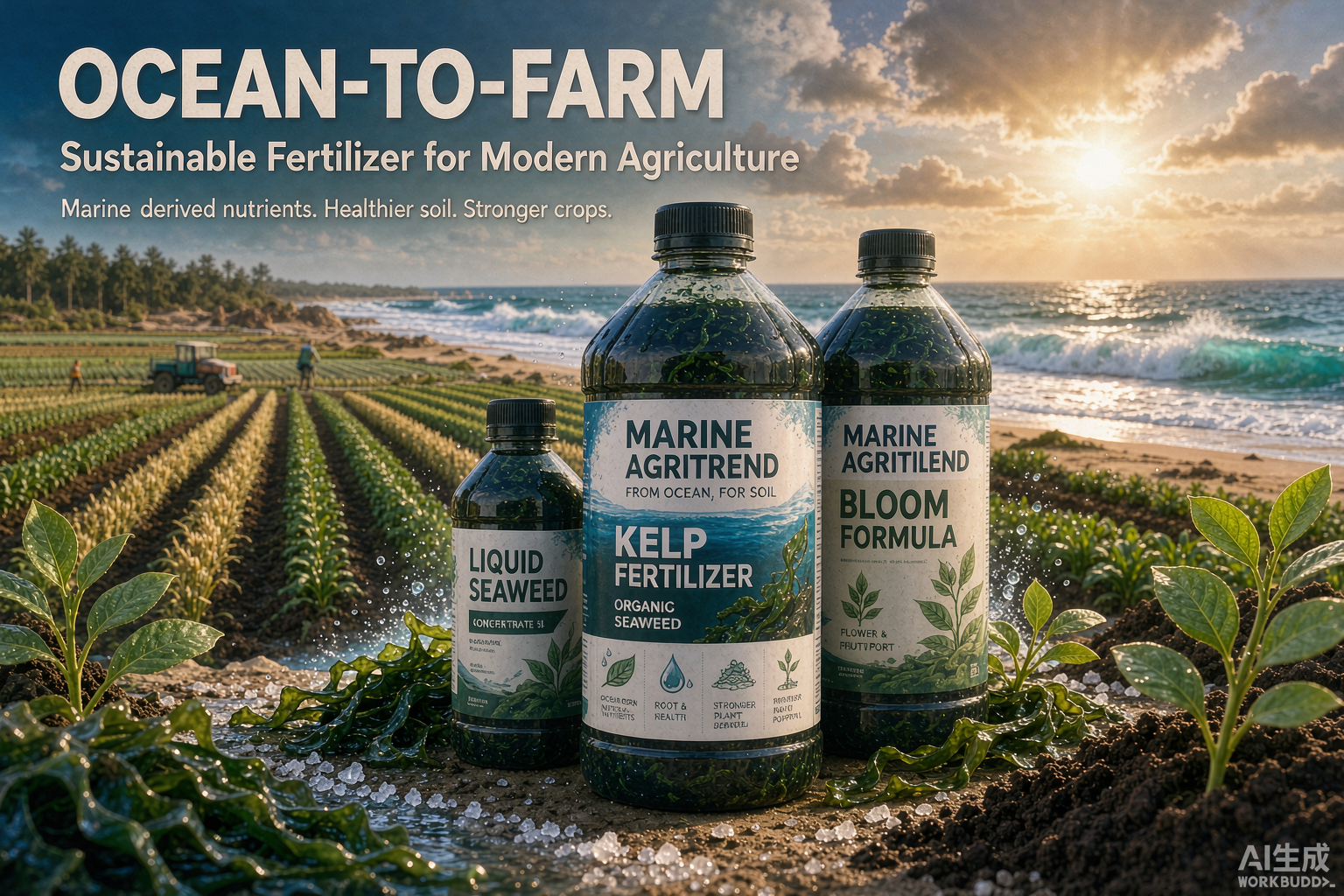
In an era where agriculture faces mounting pressures—depleted soils, erratic climates, and the urgent need for sustainability—farmers worldwide are turning to an ancient yet revolutionary solution hidden beneath the waves: seaweed fertilizer. Harvested from the vast, nutrient-rich oceans, seaweed is not just a plant of the sea; it is a powerhouse of vitality that can transform barren fields into thriving ecosystems. For centuries, coastal communities have known the secret of seaweed’s bounty. Now, modern science validates what tradition has long whispered: the wealth of the ocean can bring lasting prosperity to your farmland.
This is not merely a fertilizer. It is a biostimulant, a soil regenerator, a crop protector, and a climate-resilient ally—all in one. From the emerald kelp forests of the Pacific to the red algae carpets of the Atlantic, seaweed fertilizer represents a sustainable bridge between marine abundance and terrestrial agriculture. In this comprehensive exploration, we will dive deep into the science, benefits, applications, and real-world success stories of seaweed fertilizer—proving why it deserves a central place in your farming strategy.
The Ocean’s Gift: What Makes Seaweed Fertilizer Unique?
Seaweed is one of nature’s most efficient nutrient accumulators. Growing in dynamic marine environments, it absorbs minerals directly from seawater—water that contains nearly every element known to science. Unlike land-based plants, seaweed thrives without soil, roots, or freshwater irrigation, making it an inherently sustainable crop.
When processed into fertilizer—whether as liquid extracts, dried meal, or granular amendments—seaweed delivers a complete nutritional profile:
- Macronutrients: Nitrogen (N), Phosphorus (P), Potassium (K) in balanced, slow-release forms.
- Micronutrients: Iron, zinc, manganese, copper, boron, molybdenum—often deficient in conventional soils.
- Bioactive Compounds: Alginates, polysaccharides, cytokinins, auxins, gibberellins, and betaines—natural growth hormones and stress protectants.
- Organic Matter: Up to 50–60% in dry weight, improving soil structure and water retention.
But the true magic lies in its biostimulant properties. Seaweed doesn’t just feed plants—it activates them. It triggers gene expression for stronger roots, enhances photosynthesis, and boosts natural defense mechanisms against pests, diseases, and environmental stress.
“Seaweed is like a multivitamin for your soil and crops—except it also comes with a PhD in plant physiology.” — Dr. Elena Marquez, Marine Agronomist, University of Tasmania
Rebuilding Soil Health: The Foundation of Lasting Prosperity
Modern agriculture has mined soils for decades. Chemical fertilizers deliver quick yields but leave behind compacted, acidic, and biologically dead earth. Seaweed fertilizer reverses this decline.
1. Improves Soil Structure
Alginates in seaweed act as natural glue, binding soil particles into stable aggregates. This enhances aeration, drainage, and root penetration—especially in heavy clay or sandy soils.
2. Increases Organic Matter
Each application adds carbon-rich biomass, feeding earthworms and microorganisms. Over time, soils transition from inert mediums to living ecosystems.
3. Balances pH and Reduces Salinity
Seaweed’s alkaline nature neutralizes acidic soils, while its osmotic regulators help plants tolerate saline conditions—a growing concern in coastal and irrigated regions.
4. Enhances Microbial Activity
Polysaccharides fuel beneficial bacteria and fungi, including mycorrhizae that extend root systems and improve nutrient uptake by up to 300%.
A three-year study in Shandong, China, showed that fields treated with seaweed extract increased soil organic carbon by 28% and microbial biomass by 42% compared to chemical-only controls.
Explosive Crop Growth: From Seed to Harvest
Seaweed fertilizer doesn’t just maintain—it accelerates. Farmers report:
- Faster Germination: Seeds treated with seaweed extract sprout 2–5 days earlier.
- Stronger Seedlings: Enhanced root mass (up to 60% increase) leads to better transplant survival.
- Vigorous Vegetative Growth: Larger leaves, thicker stems, and higher chlorophyll content.
- Prolific Flowering & Fruit Set: Cytokinins promote bud formation and prevent flower drop.
- Superior Quality: Higher sugar content in fruits, better color in flowers, and increased shelf life.
Case Study: Tomato Farms in Almería, Spain
Greenhouse growers switched 30% of their nutrient program to liquid seaweed extract. Results after one season:
- Yield Increase: +19.4%
- Fruit Size: +12% average weight
- Brix (Sugar Content): +1.8°
- Pest Incidence: Down 34% (due to induced systemic resistance)
Stress Protection: Thriving in a Changing Climate
Climate change brings heatwaves, droughts, frost, and storms. Seaweed fertilizer equips crops to endure.
1. Drought Tolerance
Betaines and mannitol act as osmoprotectants, helping plants retain water under stress. Wheat trials in Australia showed 25% less yield loss during dry spells.
2. Heat and Frost Resistance
Antioxidants like polyphenols reduce cellular damage. Vineyards in Chile reported 40% less sunscald on grapes.
3. Disease and Pest Suppression
Seaweed triggers Systemic Acquired Resistance (SAR) and Induced Systemic Resistance (ISR)—natural immune responses. Cucumber plants treated with seaweed showed 70% reduction in powdery mildew.
4. Salinity Mitigation
In Pakistan’s salt-affected Punjab fields, rice yields rose 22% with seaweed foliar sprays, with sodium uptake reduced by 18%.
Sustainable by Design: Closing the Loop
The environmental credentials of seaweed fertilizer are unmatched.
1. Carbon-Negative Potential
Kelp grows up to 50 cm per day, sequestering CO₂ 20x faster than terrestrial forests. Harvesting is regenerative—fronds regrow from holdfasts.
2. No Runoff Pollution
Unlike synthetic NPK, seaweed nutrients release slowly, minimizing leaching into rivers and oceans.
3. Reduces Chemical Dependency
Farmers using seaweed cut synthetic fertilizer use by 20–50% while maintaining or increasing yields.
4. Supports Coastal Economies
Sustainable harvesting creates jobs in rural fishing communities, from Indonesia to Ireland.
The UN’s Food and Agriculture Organization (FAO) now promotes seaweed as a climate-smart agricultural input under its Blue Growth Initiative.
Versatile Applications: For Every Farm, Every Crop
Seaweed fertilizer adapts to all farming systems:
| Application Method | Best For | Frequency |
| Foliar Spray | Vegetables, fruits, flowers | Weekly during growth |
| Soil Drench | Field crops, orchards | At planting & pre-flowering |
| Seed Treatment | Cereals, pulses | Pre-sowing soak |
| Compost Activator | Organic farms | Mixed at 2–5% |
| Hydroponics | Greenhouse leafy greens | Continuous low-dose |
Product Forms:
- Liquid Extracts (e.g., Ascophyllum nodosum): Highly concentrated, easy to apply.
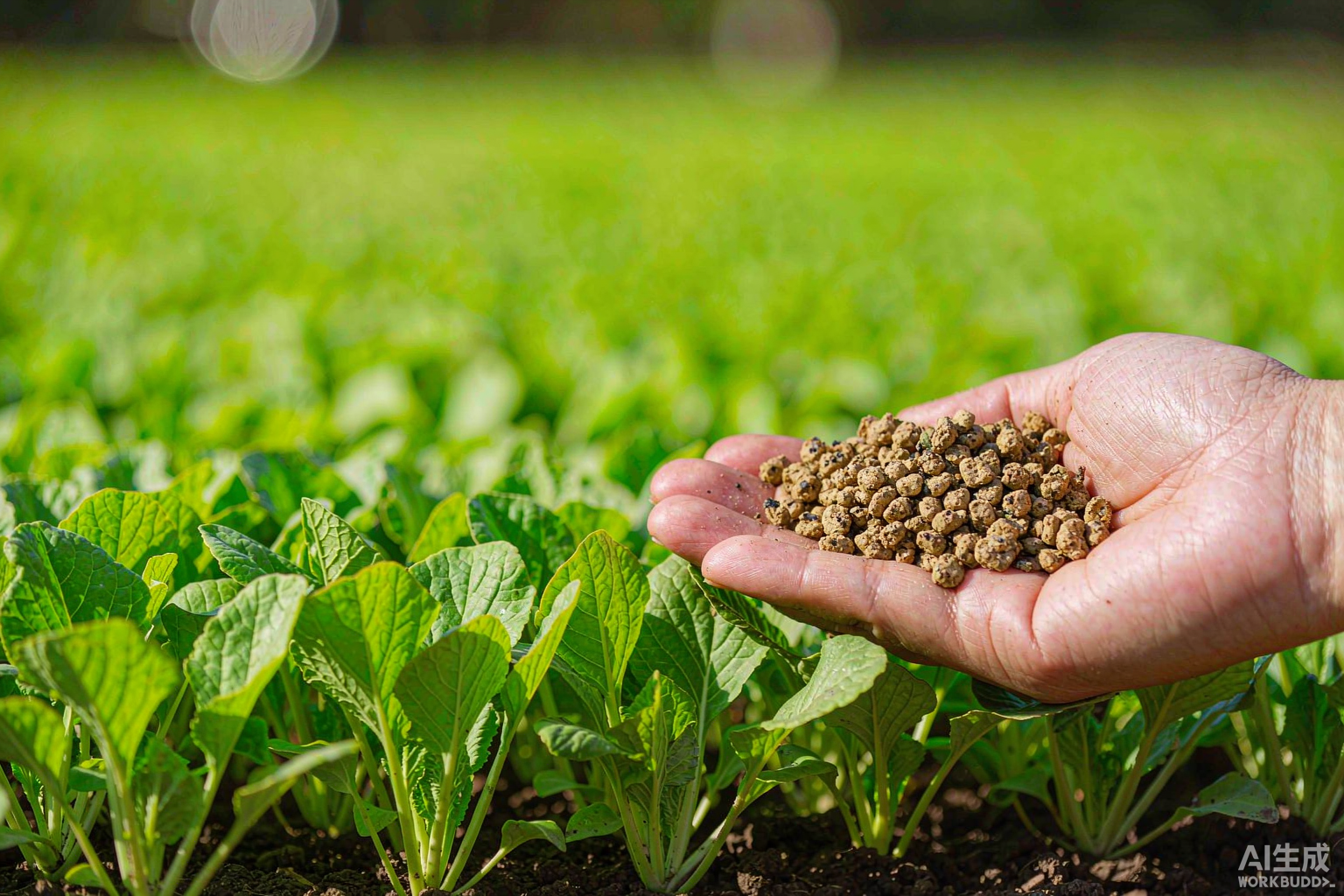
- Dried Meal/Granules: Long-term soil amendment.
- Fresh Chopped Seaweed: Direct mulching (coastal farms).
Global Success Stories: Prosperity in Action
Ireland: Reviving Potato Fields
In County Donegal, farmers facing potato blight and poor soils adopted granulated kelp. After two seasons:
- Blight incidence: ↓ 60%
- Tuber size uniformity: ↑ 35%
- Soil health score: ↑ 42%
India: Rice-Wheat Rotation in Punjab
With groundwater depletion and stubble burning issues, seaweed liquid replaced 25% of urea. Outcomes:
- Rice yield: +1.2 tons/ha
- Wheat straw strength: +28% (less lodging)
- Urea savings: ₹8,000/ha
California: Organic Strawberry Gold
Organic growers in Oxnard used seaweed biweekly. Results:
- Marketable berries: +21%
- Flavor ratings: +16% (blind taste tests)
- Certification compliance: 100%
Economic Advantage: Higher Profits, Lower Risk
Let’s crunch the numbers.
| Input | Cost (USD/ha) | Yield Impact | Revenue Gain |
| Standard NPK | $420 | Baseline | $3,200 |
| 70% NPK + Seaweed | $380 + $120 = $500 | +18% | $3,776 |
| Net Profit Gain | +$696/ha |
With premium pricing for organic or “ocean-grown” produce, margins expand further. Seaweed also extends shelf life, reducing post-harvest losses by 15–20%.
How to Get Started: Simple Integration Steps
- Test Your Soil – Identify deficiencies (seaweed excels in trace elements).
- Choose Your Product – Look for cold-processed extracts to preserve bioactives.
- Start Small – Apply to 10% of your land in Year 1.
- Monitor Results – Track growth, yield, and soil tests.
- Scale Up – Expand based on ROI and soil improvement.
Pro Tip: Combine with cover crops and reduced tillage for regenerative synergy.
The Future Is Blue: Seaweed in Tomorrow’s Agriculture
The global seaweed fertilizer market is projected to reach $1.8 billion by 2030, driven by:
- Organic food demand
- Climate adaptation needs
- Circular economy policies
Innovations include:
- Drone-applied seaweed sprays
- Seaweed-fortified slow-release granules
- AI-optimized application timing
Countries like Norway, Chile, and Indonesia are scaling offshore kelp farms using wind turbine bases—turning clean energy sites into fertilizer factories.
Conclusion: Claim Your Share of the Ocean’s Wealth
Your farmland deserves more than temporary fixes. It deserves a partner that builds resilience, boosts yields, and ensures prosperity for generations. Seaweed fertilizer is that partner.
From the depths of the ocean comes a gift that enriches the earth. It is sustainable, scientific, and proven across continents. It turns challenges into opportunities and inputs into legacies.
“The farmer who harnesses the sea will feed the future.”
Make the switch today. Incorporate seaweed fertilizer into your fields and watch as the wealth of the ocean flows into lasting abundance.
Your soil will thank you. Your crops will thrive. Your profits will grow.
And the planet? It will breathe easier—knowing that agriculture can heal, not harm.
Interested in JINGFENG’s seaweed extract products? Explore our full range of high-quality biostimulants and organic fertilizers.



Leave a Comment
Your email address will not be published. Required fields are marked *