





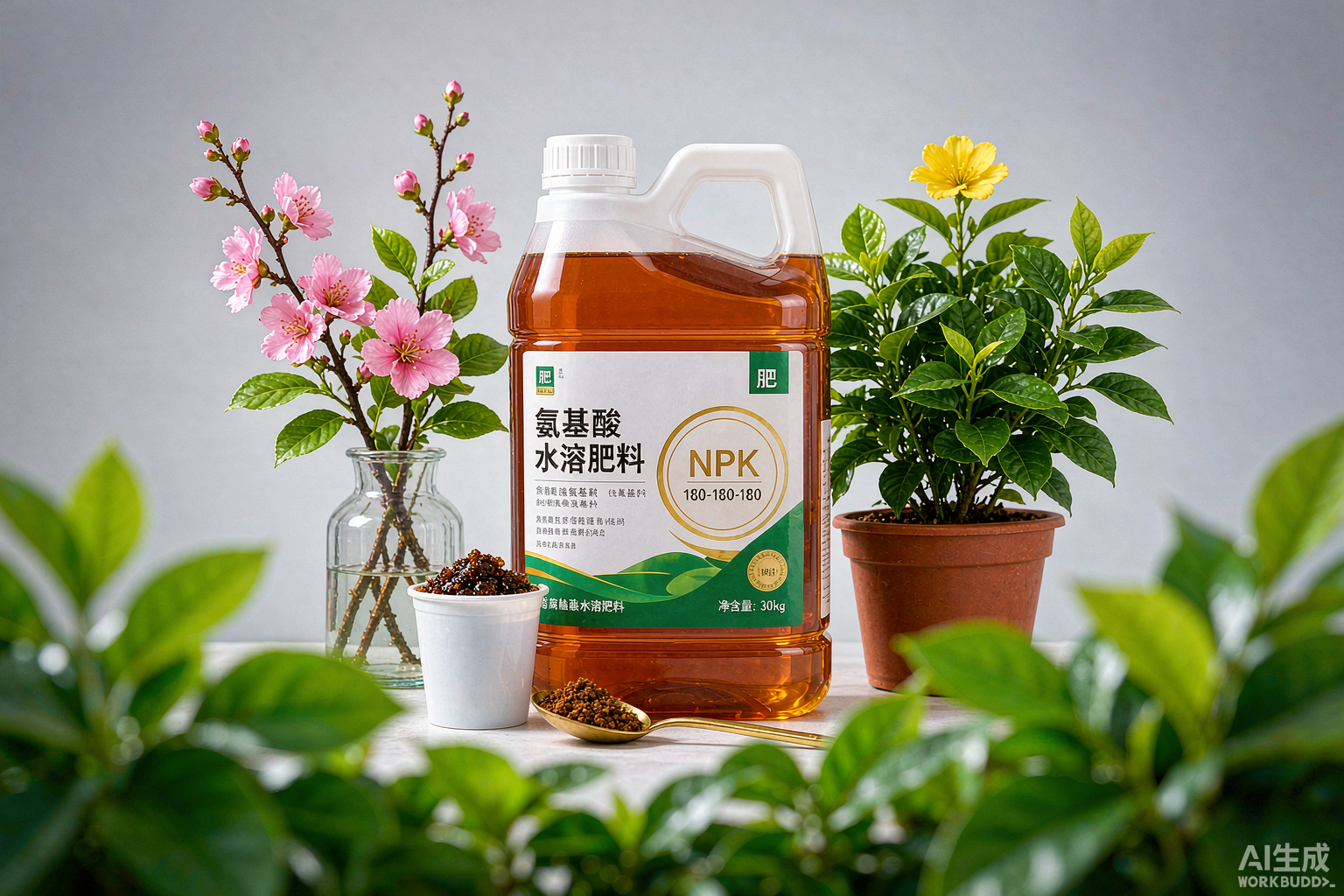
In the ever-evolving world of modern agriculture and horticulture, efficient, eco-friendly fertilizers have become the cornerstone for farmers, gardeners, and professional growers alike. Among these innovations, amino acids liquid fertilizer combined with NPK (Nitrogen, Phosphorus, and Potassium) stands out as a game-changer. This product isn’t just a simple nutrient supplement; it’s a “super booster” for plant growth, enhancing yields, soil health, and sustainability. This article delves deep into the fusion of amino acids and NPK in liquid form, exploring how it can transform your crops into thriving, resilient powerhouses. If you’re seeking a cutting-edge solution to make your plants flourish, read on—this could unlock a new era of green productivity for you.
What is Amino Acids Liquid Fertilizer with NPK?
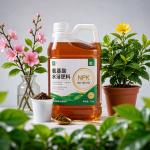
At its core, amino acids liquid fertilizer with NPK is a liquid formulation where amino acids serve as the primary active ingredients, seamlessly integrated with the essential macronutrients: Nitrogen (N), Phosphorus (P), and Potassium (K). Nitrogen fuels leafy growth and protein synthesis; Phosphorus supports root development and flowering; Potassium bolsters resistance to stress and improves fruit quality. By blending these with amino acids—derived from natural sources like soybeans, fish, or yeast through protein hydrolysis—this fertilizer creates a highly absorbable compound.
Amino acids are small molecules that plants can uptake rapidly, bypassing the complex breakdown processes required for traditional fertilizers. The liquid format allows for easy foliar spraying or irrigation, ensuring even distribution and minimal waste compared to granular options. NPK ratios are customizable, such as 10-10-10 for balanced growth or 15-5-10 for high-nitrogen needs, tailored to specific crops.
Why opt for this over conventional fertilizers? It addresses key pain points: low absorption rates, environmental pollution, and plant stress. Traditional urea or phosphate fertilizers often lead to soil acidification or salinization, but amino acids act as chelating agents, stabilizing NPK elements to reduce leaching and boost utilization by up to 80% or more. This isn’t merely a fertilizer; it’s a “health elixir” for plants, promoting vigorous growth while being gentle on the ecosystem.
The Scientific Principles Behind Amino Acids Liquid Fertilizer with NPK
Diving into the science, amino acids play a pivotal role in plant physiology. Absorbed via roots or leaves, they directly engage in metabolic pathways, such as enzyme-catalyzed reactions for amino acid synthesis. Studies show that amino acids activate hormonal systems, boosting auxins (like indoleacetic acid) and cytokinins, which accelerate cell division and expansion.
NPK provides foundational support: Nitrogen is integral to chlorophyll for photosynthesis; Phosphorus aids ATP energy transfer for root expansion; Potassium regulates osmotic pressure for drought and disease resistance. When combined, a synergistic effect emerges. Amino acids chelate NPK ions, forming stable complexes that prevent soil fixation or runoff, delivering nutrients straight to plant cells.
Research from institutions like the Chinese Academy of Agricultural Sciences demonstrates that amino acid-NPK liquid fertilizers increase rice yields by 15%-20% over traditional options, thanks to reduced osmotic stress and efficient biomass conversion. Amino acids also stimulate beneficial microbes, enhancing soil microbial diversity and organic matter decomposition for a virtuous cycle.
On a molecular level, amino acids like glutamic acid and glycine regulate gene expression, bolstering stress responses. In drought conditions, Potassium maintains turgor pressure, while amino acids induce proline accumulation as an osmoprotectant. Phosphorus availability improves in acidic environments created by amino acids, avoiding precipitation in alkaline soils.
This foundation draws from biochemistry and soil science, ensuring efficacy and safety. Globally, organic certification bodies like the EU Organic Standards recognize such products for sustainable farming.
The Multifaceted Benefits of Amino Acids Liquid Fertilizer with NPK
Let’s explore the extensive advantages that make this fertilizer a must-have for any grower. These benefits are backed by real-world applications and scientific validation, promising transformative results.
- Boosting Crop Yields and Quality: Amino acids enhance protein synthesis, while NPK ensures balanced nutrition, resulting in larger, sweeter, and more vibrant fruits. For instance, on fruit trees like apples or grapes, it can increase individual fruit weight by 10%-15% and elevate sugar content. Vegetable crops such as tomatoes see yield boosts of up to 20%, with reduced cracking.
- Enhancing Plant Resilience: In today’s variable climate, plants face droughts, salinity, and pests. Potassium fortifies cell walls, and amino acids activate defense enzymes like superoxide dismutase (SOD), raising disease resistance by 30%. This resilience translates to healthier plants that withstand environmental stressors better.
- Improving Soil Health: Unlike traditional fertilizers that degrade soil structure, amino acids serve as organic carbon sources, promoting rhizosphere microbial activity and aggregate formation. Chelated NPK minimizes heavy metal buildup and environmental risks. Long-term use neutralizes soil pH and increases organic matter by 5%-10%.
- High Absorption and Eco-Friendliness: The liquid form enables foliar application with absorption rates up to 95%, surpassing solid fertilizers’ 50%. This reduces usage by 30%, cutting costs and pollution. Residue-free and non-toxic, it aligns with green agriculture standards.
- Versatility Across Crops: From field crops like rice and wheat to vegetables, flowers, fruits, lawns, and potted plants, this fertilizer adapts seamlessly. Customized formulas include high-nitrogen for leafy greens or high-potassium for fruiting stages.
- Economic Advantages: Though initial costs may be slightly higher, high efficiency and yield gains yield a return on investment (ROI) of up to 200%. Users report 20% reductions in pesticide needs, further lowering expenses.
These perks aren’t theoretical; they’re supported by data from thousands of farms worldwide. Embracing amino acids liquid fertilizer with NPK means investing in a sustainable, profitable future.
How to Effectively Use Amino Acids Liquid Fertilizer with NPK
Applying this fertilizer is straightforward and versatile, but proper techniques maximize its potential.
Start by selecting a quality product. Reputable brands offer concentrations of 20%-30% amino acids with clear NPK ratios. Look for organic certifications to ensure purity.
Application methods include:
- Foliar Spraying: Dilute 1000-2000 times and apply every 7-10 days during peak growth for quick nutrient uptake.
- Root Irrigation: Dilute 500 times and water in, ideal for seedlings and root development.
- Seed Treatment: Soak or coat seeds to boost germination by 10%.
Recommended dosage: 1-2 liters per acre, adjusted via soil tests and crop type. Avoid spraying in extreme heat to prevent leaf burn.
Precautions: Test compatibility when mixing with pesticides; store in cool, shaded areas. Begin with trial plots for new users.
By following these guidelines, you’ll integrate this fertilizer effortlessly into your routine, reaping maximum rewards.
Real-World Case Studies and User Testimonials
The true testament to this fertilizer’s power lies in user experiences. Here are compelling cases.
Case Study 1: In Shandong, China, apple farmer Mr. Li applied amino acids NPK liquid fertilizer, boosting yields from 5,000 kg per acre to 6,000 kg. Fruits were uniform, with 15% sugar content, and wind/drought resistance improved, fetching 20% higher prices.
Case Study 2: Guangdong vegetable grower Ms. Wang used it on greenhouse tomatoes, reducing pests and increasing output by 25%. “Diseases dropped, and fruits lasted longer on shelves,” she noted.
Case Study 3: A U.S. maize farm in the Midwest reported 18% yield hikes with foliar applications, attributing it to enhanced nutrient efficiency and soil vitality.
Internationally, broccoli trials showed superior growth with 2.5 g/L NPK-amino acid mixes, yielding taller plants and heavier heads. Turf grass studies highlighted slower growth for easier maintenance, ideal for lawns.
Users praise its ease: “It’s like giving plants a vitamin shot—results are visible in weeks,” says a hobby gardener from Europe.
These stories underscore the fertilizer’s reliability across scales, from small gardens to large operations.
Environmental and Sustainability Impacts
Beyond immediate benefits, amino acids liquid fertilizer with NPK champions sustainability. By minimizing nutrient runoff, it protects waterways from eutrophication, a common issue with synthetic fertilizers. Its organic components reduce carbon footprints, aligning with global goals like the UN’s Sustainable Development Agenda.
In organic farming, it enhances nitrogen fixation, cutting reliance on chemical inputs. For climate-smart agriculture, it builds soil resilience against erosion and degradation.
Adopting this fertilizer contributes to a greener planet, ensuring future generations inherit fertile lands.
Potential Challenges and Solutions
No product is flawless. Some users note higher upfront costs, but long-term savings offset this. In alkaline soils, additional amendments may be needed, though amino acids naturally aid adjustment.
Solutions: Conduct soil tests pre-application and consult agronomists for tailored plans. Start small to gauge compatibility.
Overall, challenges are minor compared to the upsides.
Market Trends and Future Prospects
The global market for biostimulants like amino acid fertilizers is booming, projected to reach $5 billion by 2027, driven by demand for sustainable solutions. Innovations include nano-enhanced formulas for even better absorption.
As regulations tighten on chemical fertilizers, amino acids with NPK will lead the shift to eco-agriculture
Interested in JINGFENG’s amino acid products? Explore our full range of high-quality biostimulants and organic fertilizers.

Leave a Comment
Your email address will not be published. Required fields are marked *