





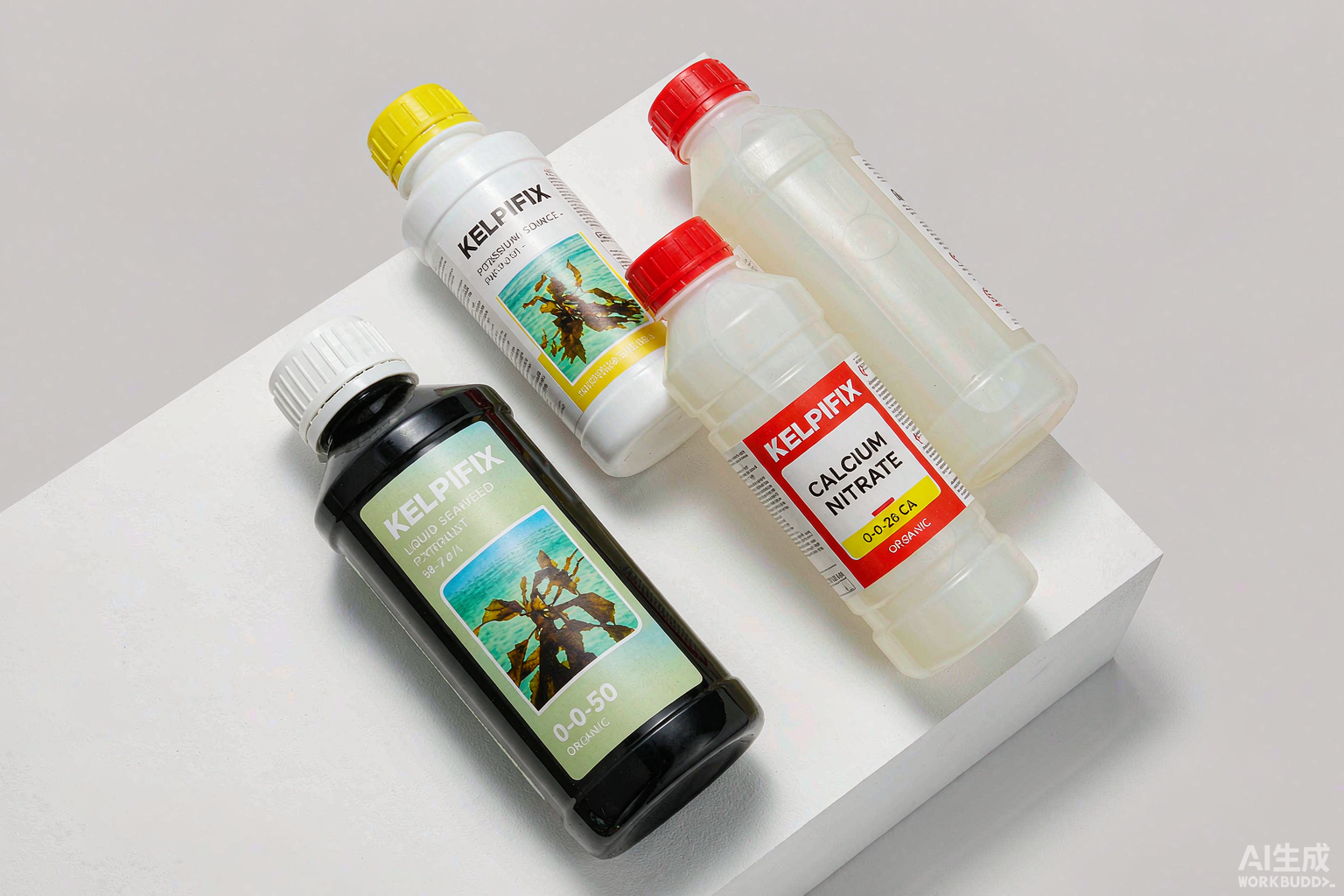
Kelp extract is widely valued in agriculture and gardening as a biostimulant fertilizer—it enriches soil with natural growth hormones (e.g., cytokinins, auxins), micronutrients (boron, zinc, manganese), and organic matter, which boost plant root development, stress resistance, and nutrient uptake. A common question among growers is whether it can be combined with other fertilizers (e.g., synthetic, organic, or specialty blends). The short answer is: yes, in most cases—but success depends on understanding compatibility, application timing, and plant needs to avoid risks like nutrient imbalance or phytotoxicity.
1. Why Combining Kelp Extract with Other Fertilizers Works
Kelp extract’s unique role as a biostimulant (rather than a primary source of N-P-K, the “big three” nutrients) makes it highly complementary to other fertilizers. Here’s how the combination adds value:
Enhances nutrient absorption: Kelp’s organic compounds (e.g., alginic acid) improve soil structure, increase cation exchange capacity (CEC), and stimulate root hair growth. This helps plants absorb more nutrients from other fertilizers—whether they’re synthetic (e.g., urea, ammonium nitrate) or organic (e.g., compost, fish emulsion).
Mitigates fertilizer stress: Synthetic fertilizers high in nitrogen (N) or phosphorus (P) can sometimes cause “fertilizer burn” (root damage from salt buildup) or slow growth if overapplied. Kelp extract’s stress-relieving compounds (e.g., mannitol) help plants tolerate these conditions, reducing leaf browning or stunted growth.
Fills nutrient gaps: Most fertilizers focus on N-P-K, but lack micronutrients critical for plant health (e.g., iron, copper). Kelp extract supplies these micronutrients, ensuring a balanced diet—especially useful for crops like tomatoes, peppers, or leafy greens that demand diverse nutrients.
2. Safe Combinations: Which Fertilizers Pair Well with Kelp Extract?
Not all fertilizers interact the same way with kelp extract. Below are low-risk, high-benefit pairings, organized by fertilizer type:
A. Organic Fertilizers (Most Compatible)
Organic fertilizers (compost, manure, fish emulsion, bone meal, blood meal) are the best match for kelp extract, as both prioritize soil health and slow nutrient release. Key combinations:
Kelp + Fish Emulsion: A classic “dynamic duo” for gardens. Fish emulsion provides high N (for leafy growth) and protein, while kelp adds micronutrients and growth hormones. This mix is ideal for seedlings, houseplants, and leafy greens (e.g., spinach, lettuce)—apply as a foliar spray or soil drench every 2–3 weeks.
Kelp + Compost/Manure: Compost/manure enriches soil with organic matter and slow-release N-P-K, but may lack immediate nutrient availability. Mixing kelp extract into compost tea or applying it alongside manure speeds up nutrient breakdown, making nutrients accessible to plants faster. This is great for long-term soil building in vegetable gardens or flower beds.
Kelp + Bone Meal/Blood Meal: Bone meal (high P, for root/fruit development) and blood meal (high N, for foliage) are slow-acting. Adding kelp extract boosts root uptake of P and N, ensuring plants (e.g., roses, tomatoes, bulbs) get the nutrients they need for flowering and fruiting.
B. Synthetic Fertilizers (Use with Caution)
Synthetic fertilizers (e.g., granular N-P-K blends, water-soluble fertilizers like Miracle-Gro) are high in concentrated nutrients, so pairing them with kelp extract requires careful dosing to avoid overfertilization. Safe practices:
Dilute both products: Never mix full-strength synthetic fertilizer with full-strength kelp extract. Instead, reduce each to 50–75% of their recommended concentration. For example, if a synthetic fertilizer calls for 1 tbsp per gallon of water, use 0.5–0.75 tbsp, plus the recommended kelp extract dose (usually 1–2 tsp per gallon).
Focus on “balanced” synthetic blends: Avoid high-nitrogen synthetic fertilizers (e.g., 20-0-0) unless paired with kelp for fast-growing crops (e.g., corn). High N can cause rapid, weak growth—kelp’s cytokinins help strengthen stems and prevent legginess.
Apply at different times (optional): For sensitive plants (e.g., succulents, herbs), apply synthetic fertilizer first, wait 1–2 weeks, then apply kelp extract. This gives plants time to absorb the synthetic nutrients without overwhelming them.
C. Specialty Fertilizers (Targeted Use Cases)
Specialty fertilizers (e.g., calcium nitrate for blossom end rot, iron chelates for yellowing leaves, mycorrhizal fungi) can also pair with kelp extract to enhance results:
Kelp + Mycorrhizal Fungi: Mycorrhizae form symbiotic relationships with plant roots to improve nutrient uptake. Kelp extract stimulates root growth, creating more surface area for mycorrhizae to colonize—this is especially effective for newly planted trees, shrubs, or container plants.
Kelp + Calcium/Iron Supplements: Calcium and iron are often poorly absorbed by plants (even when applied). Kelp’s alginic acid binds to these minerals, making them more available. For example, mixing kelp extract with calcium nitrate reduces blossom end rot in tomatoes and peppers.
3. Risks to Avoid: Incompatible Pairings and Mistakes
While kelp extract is versatile, some combinations can harm plants or reduce effectiveness. Watch for these pitfalls:
A. Avoid High-Salt Fertilizers
Fertilizers with high salt content (e.g., some synthetic lawn fertilizers, potassium chloride) can interact with kelp extract to increase soil salinity. This damages plant roots, causing wilting, leaf burn, or stunted growth. If using salt-based fertilizers, test soil salinity first (with a soil test kit) and water thoroughly after application to leach excess salts.
B. Don’t Mix with “Quick-Release” High-N Fertilizers
Quick-release nitrogen fertilizers (e.g., ammonium sulfate) release N rapidly, which can cause nutrient shock. Combining them with kelp extract (which boosts nutrient uptake) accelerates this shock, leading to leaf yellowing or defoliation. Stick to slow-release N fertilizers if pairing with kelp.
C. Skip Alkaline Fertilizers (for Acid-Loving Plants)
Some fertilizers (e.g., lime, wood ash) raise soil pH, making micronutrients (iron, zinc) less available. Kelp extract contains these micronutrients, but if paired with alkaline fertilizers, their benefits are canceled out. For acid-loving plants (e.g., blueberries, azaleas, rhododendrons), avoid alkaline fertilizers entirely when using kelp.
D. Overapplication: The Biggest Risk
Even with compatible fertilizers, overusing kelp extract + other fertilizers can lead to:
Nutrient runoff (polluting waterways).
Soil nutrient imbalance (e.g., excess potassium from kelp + excess phosphorus from bone meal).
Phytotoxicity (leaf curling, browning) from concentrated nutrients.
Always follow the “less is more” rule—start with half the recommended dose of both products, then adjust based on plant response.
4. Best Practices for Using Kelp Extract with Other Fertilizers
To maximize effectiveness and minimize risk, follow these guidelines:
Test your soil first: A soil test (available at garden centers or online) reveals nutrient gaps (e.g., low phosphorus, high pH) and tells you which fertilizers to pair with kelp. For example, if soil is low in N, pair kelp with fish emulsion; if low in P, pair with bone meal.
Apply at the right growth stage:
Seedlings/transplants: Use kelp + diluted fish emulsion (low N) to boost root growth.
Flowering/fruiting plants: Use kelp + bone meal (high P) to support blooms and fruit.
Stress periods (drought, pests): Use kelp alone or with a mild organic fertilizer to help plants recover—avoid synthetic fertilizers during stress.
Choose the right application method:
Foliar spray: Mix kelp extract with liquid fertilizers (fish emulsion, water-soluble synthetic) for fast nutrient absorption (ideal for stressed plants or foliar feeders like lettuce).
Soil drench: Mix with granular or slow-release fertilizers (compost, bone meal) to enrich soil and feed roots (best for long-term growth).
Monitor plant health: Watch for signs of overfertilization (yellowing leaves, leaf burn, stunted growth) or nutrient deficiency (pale leaves, poor flowering). If issues arise, stop application and water thoroughly to flush excess nutrients.
Conclusion
Kelp extract can absolutely be used with other fertilizers—when paired correctly, it enhances nutrient absorption, reduces stress, and fills nutrient gaps. The safest and most effective combinations are with organic fertilizers (fish emulsion, compost, bone meal), while synthetic fertilizers require careful dilution and timing. By testing soil, following dosage guidelines, and matching pairings to plant growth stages, you can leverage kelp extract’s benefits to create a thriving garden or crop.
For specific plants (e.g., tomatoes, lawns, houseplants), would you like a tailored fertilizer + kelp extract application schedule? I can also share recipes for DIY mixes like kelp-fish emulsion spray or kelp-compost tea.
Interested in JINGFENG’s seaweed extract products? Explore our full range of high-quality biostimulants and organic fertilizers.

Leave a Comment
Your email address will not be published. Required fields are marked *