





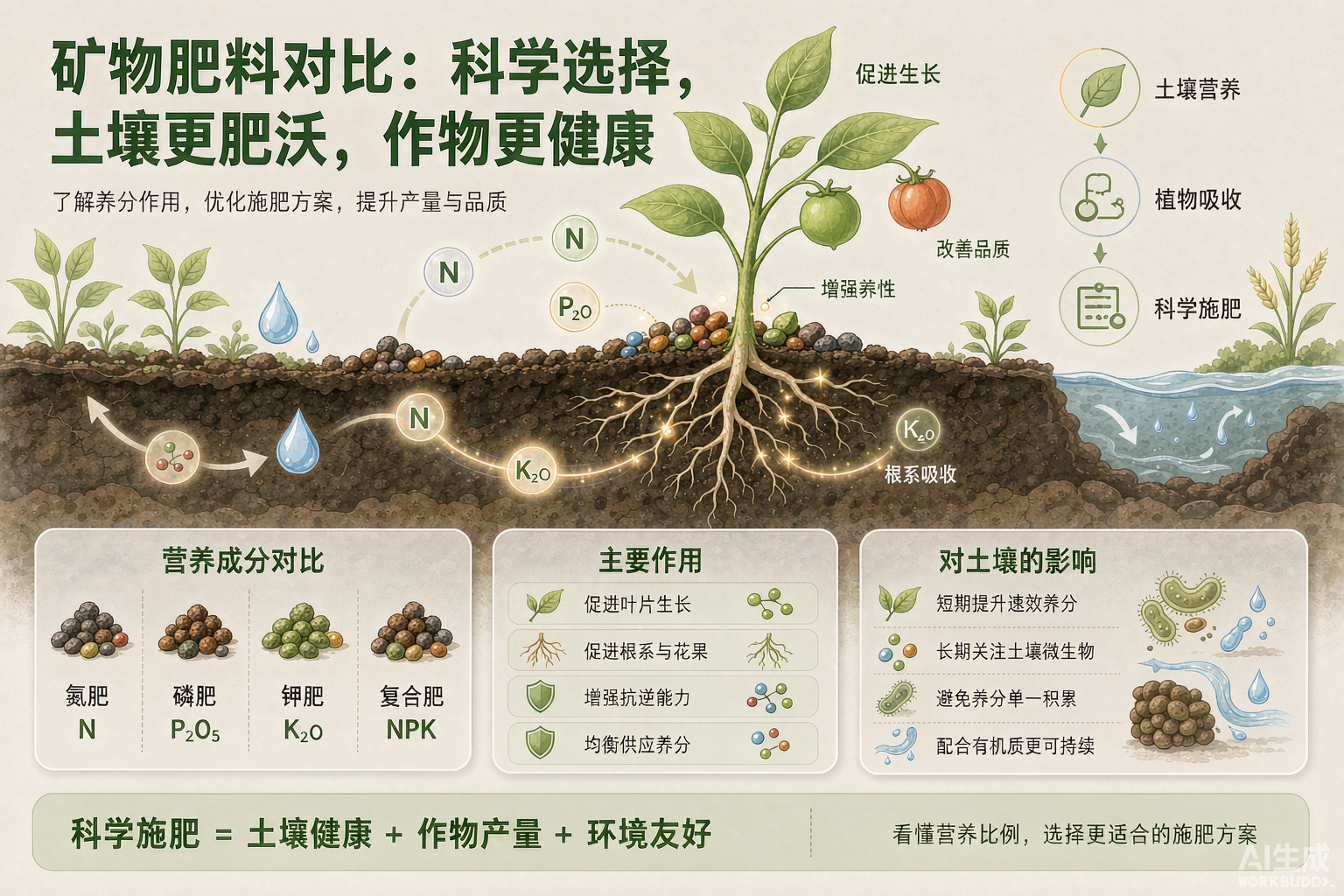
Yes, mineral fertilizer (also called chemical fertilizer or inorganic fertilizer) does include nitrogen fertilizers, but it is a much broader category.
Here’s the clear breakdown:
| Term | What it means | Includes nitrogen? | Examples |
| Mineral fertilizer (most common term worldwide) | Any fertilizer made from mined or synthetically produced inorganic compounds | Yes | Urea, ammonium nitrate, NPK blends, DAP, potassium chloride, etc. |
| Nitrogen fertilizer | A subset of mineral fertilizers that specifically supply nitrogen (N) | — (it is nitrogen) | Urea (46% N), ammonium nitrate (34% N), ammonium sulfate (21% N), CAN, UAN |
| NPK fertilizer | Mineral fertilizers that contain nitrogen (N) + phosphorus (P) + potassium (K) in different ratios | Yes (unless it’s 0-X-X) | 15-15-15, 20-10-10, 10-20-20, etc. |
| Straight nitrogen fertilizer | Mineral fertilizer that contains only (or mostly) nitrogen | Yes | Urea, ammonium nitrate |
| Phosphate/potash fertilizers | Mineral fertilizers that supply mainly P or K (may contain little or no N) | Sometimes a trace, usually not | DAP, TSP, MOP, SOP |
Summary
- All nitrogen fertilizers used in modern agriculture (urea, ammonium nitrate, etc.) are mineral fertilizers.
- But not all mineral fertilizers are nitrogen fertilizers (e.g., triple superphosphate or muriate of potash contain little or no nitrogen).
So when someone says “mineral fertilizer,” it almost always includes the common nitrogen sources like urea or ammonium nitrate unless they specifically exclude them.
Here’s a direct, no-nonsense comparison of organic fertilizers vs mineral (inorganic/chemical) fertilizers — based on real-world agriculture, soil science, and crop performance in 2025.
| Aspect | Organic Fertilizers | Mineral (Inorganic) Fertilizers | Winner / Notes |
| Source | Animal manures, compost, bone meal, fish emulsion, seaweed, green manures, guano, etc. | Mined rocks (potash, phosphate) or synthetically produced (urea, ammonium nitrate, DAP, etc.) | — |
| Nutrient content | Low and variable (e.g., cow manure ≈ 0.5–0.2–0.5% N-P-K; compost 1–1–1 at best) | High and exact (urea 46-0-0, DAP 18-46-0, etc.) | Mineral (much higher concentration) |
| Speed of availability | Slow → nutrients released over weeks/months/years by microbes | Immediate → water-soluble, plant-available within hours/days | Mineral (for fast correction) |
| Nitrogen form | Mostly organic N → slowly converted to nitrate/ammonium | Directly ammonium, nitrate, or urea (quickly converted) | Mineral |
| Soil organic matter & biology | Strongly increases soil carbon, microbial biomass, earthworms, water-holding capacity | Little to no effect (some ammonium forms can even suppress microbes temporarily) | Organic (long-term soil health) |
| Risk of nutrient burn | Almost zero | High if over-applied | Organic |
| Leaching / runoff risk | Very low (slow release) | High, especially nitrate forms | Organic (environmentally safer) |
| Heavy metal risk | Possible (e.g., sewage sludge, some rock phosphates) but rare in certified products | Very low in modern fertilizers | Mineral (generally cleaner) |
| Cost per kg of nutrient | 4–20× more expensive | Cheap (urea ≈ $400–600/ton in 2025) | Mineral |
| Yield in the first 1–2 years | Usually 5–30% lower than mineral on depleted soils | Highest possible yields when correctly applied | Mineral |
| Yield after 10+ years continuous use | Often equal or higher (due to better soil structure, water retention, biology) | Can decline if no organic matter is added (soil becomes “fluffy dirt”) | Organic |
| Carbon footprint | Lower (recycles on-farm waste) but methane from manures is an issue | Higher (Haber-Bosch process for N is energy-intensive) | Depends (organic often wins if local) |
| Certification for organic farming | Allowed (with restrictions) | Prohibited (except a few mined minerals like rock phosphate) | Organic |
| Labor & handling | Heavy, bulky, smelly, slower to apply | Light bags/liquid, easy to spread, precise | Mineral |
| Trace elements | Often richer (Zn, Cu, B, etc.) from natural sources | Usually none unless specifically added | Organic |
| pH effect | Usually neutral or slightly buffering | Many acidify soil over time (ammonium sulfate, urea) | Organic |
When to Choose Which
| Situation | Best Choice | Why |
| Maximum yield right now, conventional farming | Mineral | Fast, cheap, precise |
| Poor, degraded, low-organic-matter soil | Mineral first 1–3 years, then switch to mixed | Quickly rebuild nutrient levels |
| Long-term regenerative / organic farm | Organic + cover crops + compost | Builds soil carbon and resilience |
| Home garden or high-value crops | Mostly organic + occasional mineral boosts | Taste, biology, and safety |
| Hydroponics / greenhouse vegetables | Mineral only | Organic fertilizers don’t dissolve properly |
| Rice paddies, flooded systems | Mineral (urea deep placement) still dominates | Anaerobic conditions slow organic breakdown |
Bottom Line (2025)
- Mineral fertilizers = the hammer for fast, high yields and correcting deficiencies quickly.
- Organic fertilizers = the slow cooker that actually rebuilds the soil and pays off after 5–10 years.
Most progressive large farms now use both in an integrated system: 50–80% of nutrients from mineral sources for yield security + regular organic inputs (compost, manure, cover crops) for soil health. That hybrid approach consistently gives the highest long-term profits and sustainability.
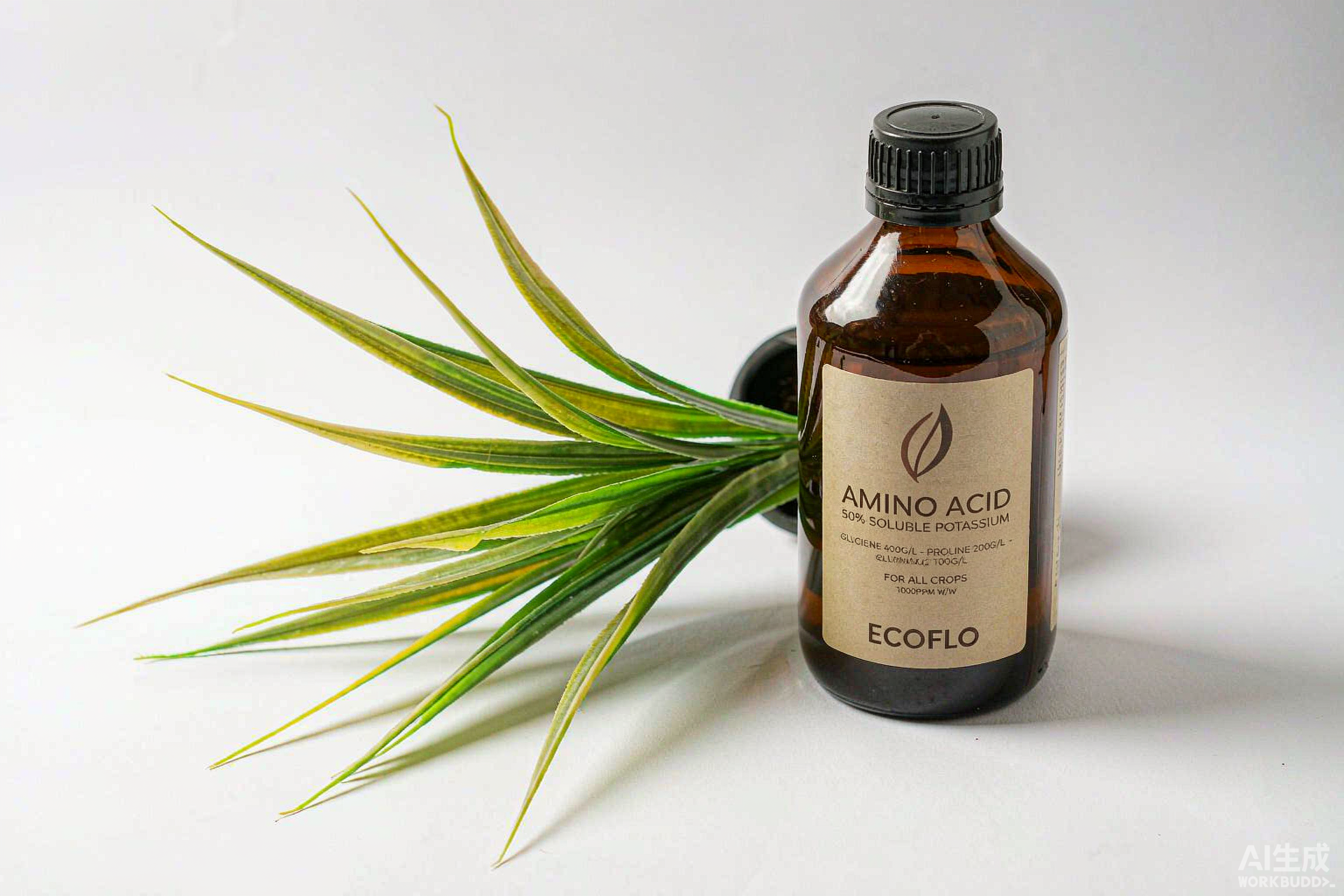
Interested in JINGFENG’s humic and fulvic acid products? Explore our full range of high-quality biostimulants and organic fertilizers.

Leave a Comment
Your email address will not be published. Required fields are marked *