





Introduction
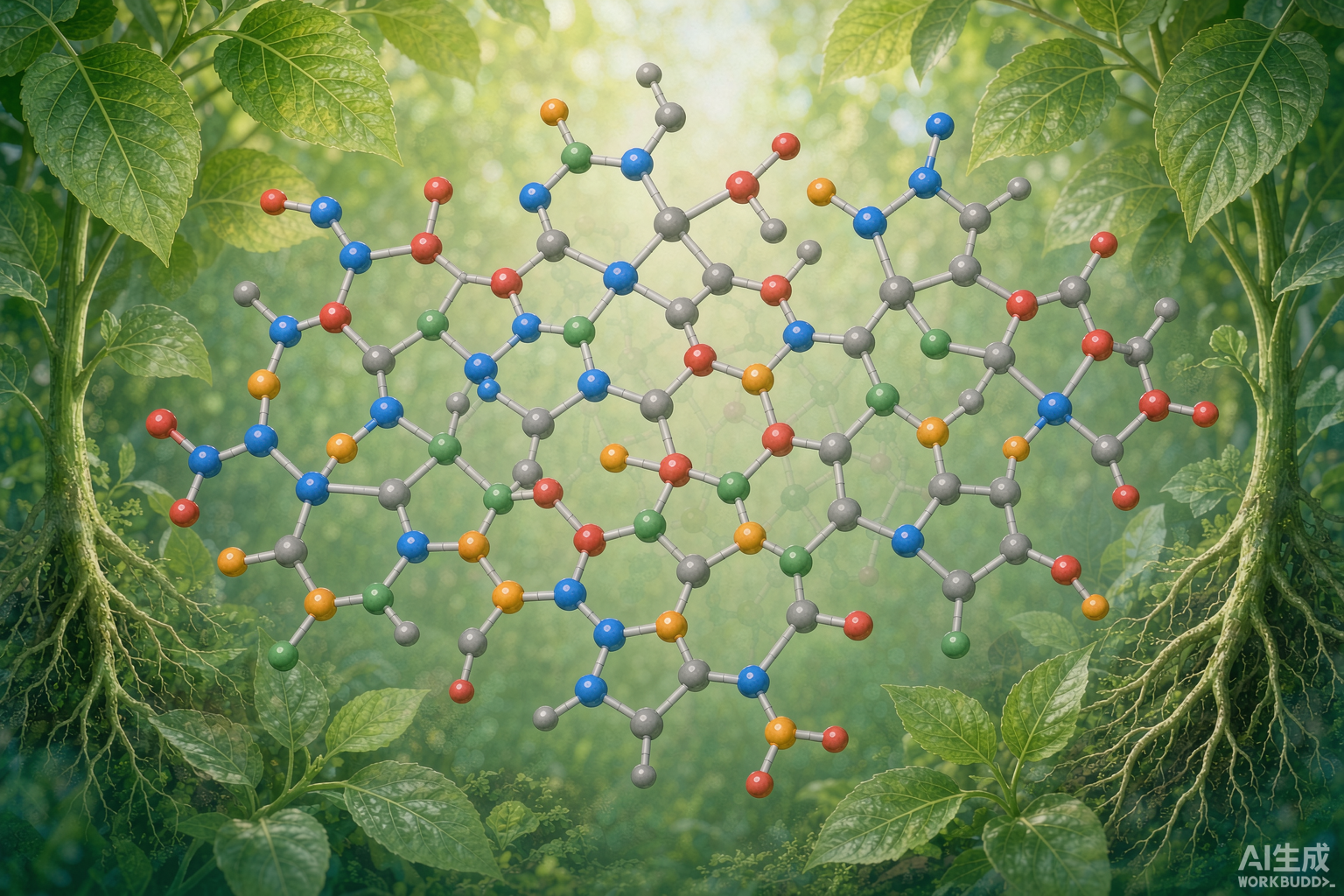
Activated humic acid (AHA) represents a class of biochemically modified humic substances that have garnered significant attention in agricultural, environmental, and industrial sectors. Derived from natural organic materials such as lignite, peat, and compost through targeted activation processes, AHA exhibits enhanced chemical reactivity, bioavailability, and functional properties compared to raw humic acid. Its unique molecular structure—characterized by a high density of carboxyl, hydroxyl, and phenolic groups—endows it with remarkable capabilities to interact with organic/inorganic compounds, soil particles, and biological systems. As global demands for sustainable solutions intensify, AHA has emerged as a pivotal biomolecule driving innovations in resource efficiency, pollution remediation, and eco-friendly technology development.
Key Properties of Activated Humic Acid
The activation process—typically involving physical (e.g., thermal treatment, ultrasonic irradiation), chemical (e.g., oxidation, acid-base modification), or biological (e.g., microbial fermentation) methods—refines the structure of humic acid to amplify its core properties. High cation exchange capacity (CEC) is one of AHA’s most prominent features, enabling it to chelate essential nutrients such as nitrogen, phosphorus, and trace elements (iron, zinc, copper) in soil, preventing leaching and improving plant uptake efficiency. Additionally, its strong adsorption capacity allows it to bind heavy metals (lead, cadmium, arsenic) and organic pollutants (pesticides, petroleum hydrocarbons), reducing their bioavailability in contaminated environments. AHA also exhibits biostimulant activity, regulating plant hormone levels, enhancing root development, and boosting resistance to abiotic stresses (drought, salinity, extreme temperatures). Furthermore, its amphiphilic nature—possessing both hydrophilic and hydrophobic regions—facilitates soil aggregate formation, improving soil structure, water retention, and aeration.
Preparation Methods: From Raw Materials to High-Performance AHA
The production of activated humic acid involves two primary stages: extraction of raw humic acid from organic feedstocks and subsequent activation to optimize its properties. Extraction methods include alkaline extraction (using sodium hydroxide or potassium hydroxide solutions), which dissolves humic acid from lignite or peat, followed by acid precipitation to obtain crude humic acid. For more environmentally friendly processes, water-based extraction with biological enzymes (e.g., lignin peroxidase) has been developed to reduce chemical usage.
Activation techniques are tailored to specific applications. Thermal activation, conducted at 300–600°C under anaerobic conditions, increases the specific surface area and porous structure of AHA, enhancing its adsorption capacity for pollutants. Chemical activation using oxidizing agents (e.g., hydrogen peroxide, nitric acid) introduces additional carboxyl groups, elevating CEC and nutrient-chelating ability—ideal for agricultural use. Biological activation, leveraging microbial consortia (e.g., Bacillus, Pseudomonas), decomposes complex organic matter into smaller, more bioactive humic fractions, which are highly effective as plant biostimulants. Recent advancements in nanotechnology have also enabled the synthesis of nano-sized AHA, further improving its solubility and reactivity in aqueous systems.
Diverse Applications Across Industries
1. Sustainable Agriculture
AHA has become a cornerstone of eco-friendly farming practices. As a soil amendment, it improves soil fertility by increasing nutrient retention, promoting beneficial microbial activity, and mitigating soil acidification or salinization. When applied as a foliar spray or seed treatment, AHA enhances crop growth, boosts yield (by 10–30% in major crops like wheat, rice, and tomatoes), and improves quality (e.g., higher sugar content in fruits, increased protein in grains). Its ability to chelate heavy metals also reduces their accumulation in edible crops, ensuring food safety. Moreover, AHA reduces the need for chemical fertilizers and pesticides, minimizing environmental pollution and supporting sustainable intensification.
2. Environmental Remediation
In pollution control, AHA serves as a cost-effective and biodegradable adsorbent for wastewater treatment and soil remediation. It effectively removes heavy metals from industrial effluents (e.g., electroplating, mining wastewater) through chelation and ion exchange, achieving removal efficiencies exceeding 90% for many toxic metals. For organic pollutant remediation, AHA’s hydrophobic regions bind to hydrocarbons, pesticides, and pharmaceuticals, facilitating their degradation by soil microbes or enhancing their precipitation from water. In addition, AHA can be used to remediate acid mine drainage, neutralizing acidity and immobilizing heavy metals to restore degraded ecosystems.
3. Animal Husbandry and Aquaculture
AHA acts as a natural feed additive, improving animal health and productivity. In livestock farming, it enhances nutrient digestion and absorption, reduces intestinal inflammation, and boosts immune function, leading to lower mortality rates and higher meat/milk quality. In aquaculture, AHA improves water quality by adsorbing ammonia, nitrite, and organic waste, creating a healthier habitat for fish and shrimp. It also enhances fish immunity against pathogens, increasing survival rates and growth performance. Unlike synthetic additives, AHA is non-toxic and biodegradable, avoiding residue accumulation in animal products.
4. Industrial and Biomedical Fields
In industry, AHA is used as a dispersant, emulsifier, and corrosion inhibitor. It finds applications in concrete production, where it improves workability and reduces water consumption while enhancing the durability of concrete structures. In the petroleum industry, AHA acts as a drilling fluid additive, stabilizing wellbores and reducing friction. In biomedicine, research has shown that AHA exhibits antioxidant, anti-inflammatory, and wound-healing properties. It is being explored for the development of drug delivery systems, as its molecular structure can encapsulate therapeutic agents and target specific cells, improving drug efficacy and reducing side effects.
Future Perspectives and Challenges
Despite its broad applications, the development and utilization of activated humic acid face several challenges. The lack of standardized production processes and quality control criteria leads to variability in AHA properties across products, hindering its widespread adoption. Additionally, the high cost of some activation methods (e.g., nanotechnology-based synthesis) limits large-scale application in developing regions. Future research should focus on optimizing low-cost, sustainable activation technologies, establishing unified quality standards, and exploring novel applications—such as in carbon sequestration (AHA can enhance soil carbon storage) and biodegradable materials. Advances in molecular biology and analytical techniques will also deepen our understanding of AHA’s mechanism of action, enabling the design of tailored products for specific uses.
Conclusion
Activated humic acid, a versatile and eco-friendly biomolecule, holds immense potential to address pressing global challenges in agriculture, environment, and industry. Its unique combination of chemical, physical, and biological properties makes it a valuable tool for sustainable development. As research and technological innovations continue to advance, AHA is poised to play an increasingly critical role in promoting resource efficiency, environmental protection, and human well-being. By harnessing the power of this natural biomolecule, we can move towards a more sustainable and resilient future.
(注:文档部分内容可能由 AI 生成)
Interested in JINGFENG’s humic and fulvic acid products? Explore our full range of high-quality biostimulants and organic fertilizers.


Leave a Comment
Your email address will not be published. Required fields are marked *