





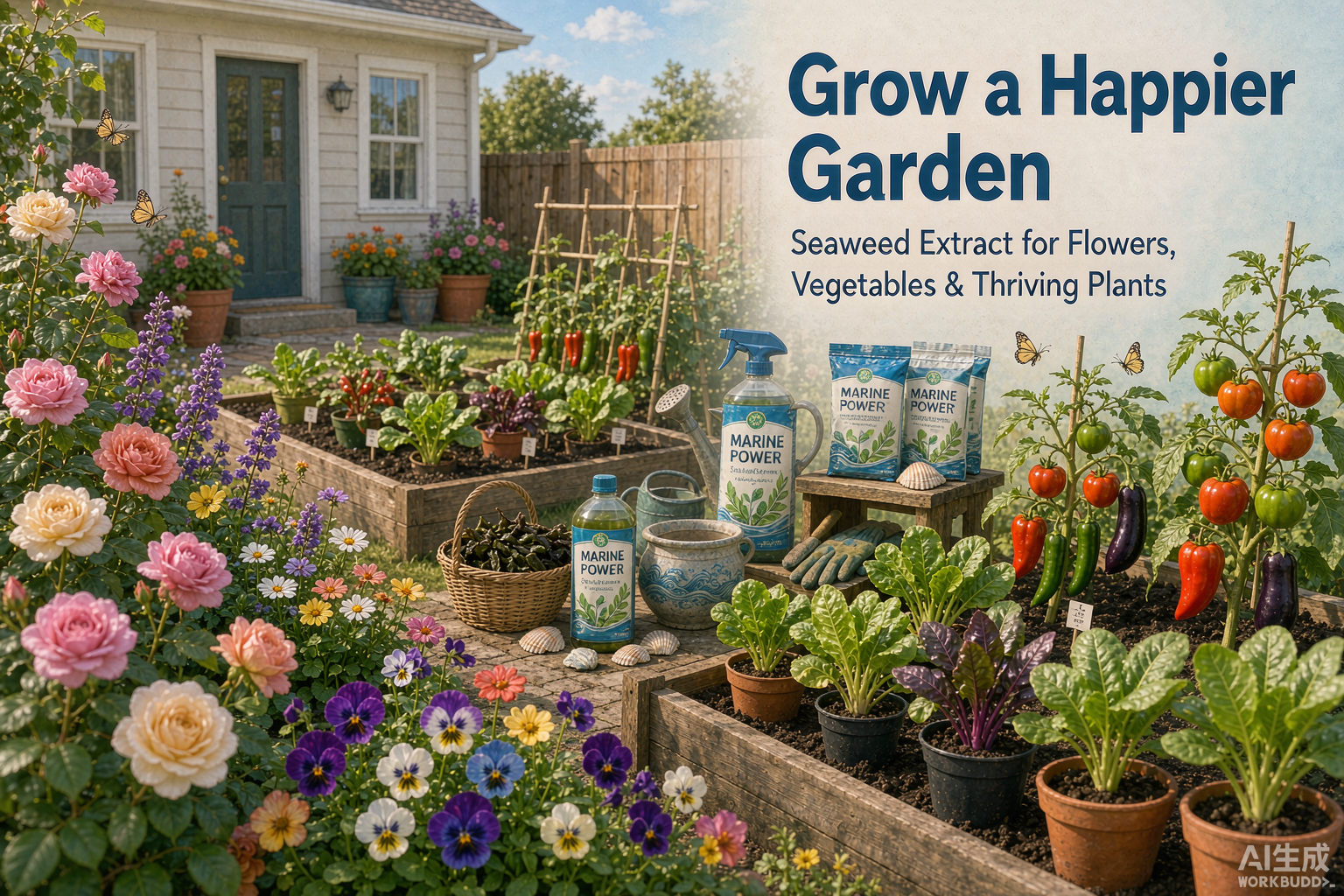
For home gardeners, nothing is more rewarding than watching plants thrive—lush foliage, vibrant blooms, and bountiful vegetables. Yet, challenges like weak growth, pest infestations, and poor soil quality often hinder this goal. In recent years, seaweed extract has emerged as a “game-changer” in home gardening, beloved for its natural origin, multi-functional benefits, and ease of use. Derived from nutrient-rich marine algae (such as Ascophyllum nodosum, kelp, and sargassum), this organic supplement nourishes plants, improves soil, and boosts resilience—all without harsh chemicals. As a leading exporter of humic acid, amino acids, seaweed extracts, and EDDHA-chelated trace elements, we draw on decades of expertise to create this comprehensive guide, helping you unlock the full potential of seaweed extract for your garden.
I. What Is Garden-Grade Seaweed Extract? Nature’s Nutrient-Rich Elixir
Garden-grade seaweed extract is a concentrated liquid or powder derived from sustainably harvested marine algae, processed to retain its core active ingredients. Unlike synthetic fertilizers that focus solely on N-P-K, seaweed extract offers a holistic blend of nutrients and bioactive compounds tailored to home garden needs. Key characteristics include:
- Diverse Nutrient Profile: Contains macro-nutrients (potassium, nitrogen, phosphorus in balanced ratios), micro-nutrients (calcium, magnesium, iron, zinc, boron), and organic matter—all in forms easily absorbed by plants (chelated or water-soluble).
- Bioactive Growth Regulators: Rich in cytokinins (promote cell division and leaf growth), auxins (stimulate root development), and gibberellins (enhance seed germination and flowering)—critical for healthy plant development at every stage.
- Soil-Friendly Compounds: Alginic acid, fucose, and polysaccharides improve soil structure, feed beneficial microbes, and increase water retention—addressing common garden soil issues like compaction and dryness.
Not all seaweed extracts are equal, however. For home gardens, cold-pressed or low-temperature enzymatic extracts (processed below 60°C) are preferred, as they preserve delicate active compounds (e.g., cytokinins) better than high-heat methods. The International Society for Horticultural Science (ISHS) recommends choosing extracts with a minimum of 10% alginic acid and 500 ppm cytokinins for optimal garden results.
II. Why Use Seaweed Extract in Your Garden? 5 Game-Changing Benefits
Seaweed extract isn’t just another fertilizer—it’s a versatile tool that supports plants and soil throughout the growing season. Here’s how it transforms home gardens, backed by research and gardener testimonials:
1. Supercharges Seed Germination and Seedling Growth
Starting seeds indoors or directly in the garden often comes with low germination rates or weak seedlings. Seaweed extract gives young plants a head start:
- Faster Germination: Soaking seeds in a 1:500 diluted seaweed extract solution for 4–6 hours breaks dormancy and speeds up germination by 1–2 days. Tests on tomato and lettuce seeds showed a 20–30% higher germination rate compared to untreated seeds.
- Stronger Seedlings: Spraying seedlings with a 1:800 solution weekly promotes sturdy stems and dense root systems. Gardeners report fewer “leggy” seedlings and a 50% reduction in transplant shock—critical for tender plants like peppers and herbs.
2. Boosts Blooms and Fruit Production
Every gardener dreams of abundant flowers and juicy fruits. Seaweed extract enhances reproductive growth by:
- Stimulating Flower Bud Formation: The cytokinins in seaweed extract signal plants to shift energy to flowering. For roses, hydrangeas, and other flowering shrubs, monthly foliar sprays (1:600 dilution) increase flower count by 25–40% and extend bloom time by 1–2 weeks.
- Improving Fruit Set and Quality: For vegetable gardens (tomatoes, cucumbers, strawberries), applying seaweed extract during flowering and fruit expansion reduces blossom end rot (by 30–35%) and increases fruit size. Strawberry growers note sweeter berries (higher Brix levels) and a longer harvest window.
3. Strengthens Pest and Disease Resistance
Chemical pesticides harm beneficial insects and disrupt garden ecosystems. Seaweed extract builds natural defenses:
- Induces Plant Immunity: Alginic acid and fucose trigger plants to produce phytoalexins—compounds that fend off fungal diseases like powdery mildew and black spot. Roses treated with seaweed extract showed a 40–50% lower incidence of black spot compared to untreated plants.
- Deters Pests: The natural compounds in seaweed extract (e.g., mannitol) make plants less palatable to aphids, spider mites, and slugs. Gardeners using regular seaweed sprays report a 25–30% reduction in pest infestations, reducing the need for insecticides.
4. Improves Soil Health (Even in Containers!)
Healthy soil is the foundation of a thriving garden—even for container plants. Seaweed extract enhances soil in multiple ways:
- Builds Soil Structure: When applied to garden beds, alginic acid binds soil particles into crumbly aggregates, improving drainage in clay soils and water retention in sandy soils. After 3 months of monthly applications, soil porosity increased by 15–20%.
- Feeds Beneficial Microbes: Seaweed extract acts as a “food source” for earthworms, bacteria, and fungi that break down organic matter. Container gardens treated with seaweed extract had 3x more beneficial microbes, reducing the need for frequent soil replacement.
5. Enhances Drought and Heat Tolerance
Climate change brings unpredictable weather—droughts and heatwaves are becoming common. Seaweed extract helps plants cope by:
- Reducing Water Loss: The polysaccharides in seaweed extract form a thin, breathable film on leaves, cutting transpiration by 15–20%. This is a lifesaver for gardens in dry regions; lawns and shrubs treated with seaweed extract survived 3–4 days longer without watering.
- Protecting Against Heat Stress: Spraying plants before heatwaves (temperatures above 30°C) helps maintain chlorophyll levels, preventing leaf scorch. Tomato plants treated with seaweed extract retained 20–25% more green foliage during heatwaves compared to untreated plants.
III. How to Use Seaweed Extract in Your Garden: A Step-by-Step Guide
Seaweed extract is easy to use, but proper application (timing, dilution, method) ensures maximum benefits. Below is a tailored guide for different garden types and plants:
1. Application Methods for Every Garden
- Foliar Spraying: The most common method—absorbed through leaves for fast results. Use a spray bottle or garden sprayer to coat both sides of leaves (early morning or late afternoon, avoiding midday sun). Ideal for flowering plants, herbs, and vegetables.
- Soil Drenching: Pour diluted extract directly onto the soil around plant roots. Best for improving soil health, boosting root growth, and container plants (prevents salt buildup).
- Seed Soaking: Soak seeds in a weak solution (1:1000) before planting to enhance germination.
- Compost Boost: Add 1–2 cups of undiluted extract to compost piles to speed up decomposition and enrich nutrient content.
2. Dilution Ratios (Critical for Success!)
Using the right dilution prevents leaf burn and ensures effectiveness. General guidelines (adjust based on product concentration):
| Plant Type/Stage | Dilution Ratio (Extract:Water) | Application Frequency |
| Seeds (soaking) | 1:1000 | 4–6 hours before planting |
| Seedlings | 1:800 | Weekly until transplanting |
| Flowering Plants | 1:600 | Monthly during growing season |
| Vegetables | 1:600 | Every 2 weeks (flowering to harvest) |
| Trees/Shrubs | 1:500 | Every 4–6 weeks |
| Container Plants | 1:700 | Every 2 weeks (avoid overwatering) |
Pro Tip: Always start with a higher dilution (weaker solution) for sensitive plants like ferns or succulents, and increase gradually if no adverse effects occur.
3. Seasonal Application Calendar
- Spring: Focus on seed starting and transplanting. Soak seeds, spray seedlings, and drench soil to kickstart growth.
- Summer: Prioritize foliar sprays to combat heat stress and boost flowering/fruiting. Drench soil during dry spells to improve water retention.
- Fall: Shift to soil health—drench garden beds and add to compost to build nutrients for next year. Spray perennials to strengthen them before winter.
- Winter: For warm climates, continue monthly soil drenches for evergreens. For cold climates, stop applications once plants go dormant.
IV. Garden-Specific Tips: From Veggie Beds to Houseplants
Seaweed extract works for every corner of your garden—here’s how to tailor it to your specific plants:
1. Vegetable Gardens
- Tomatoes: Drench soil with 1:600 extract at planting, then spray foliage every 2 weeks from flowering to harvest. Reduces blossom end rot and increases fruit size.
- Lettuce/Leafy Greens: Weekly sprays (1:800) promote tender, crisp leaves and prevent bolting in hot weather.
- Root Vegetables (Carrots, Beets): Drench soil every 3 weeks (1:700) to encourage thick, sweet roots—avoid foliar sprays (can cause leafy growth over root growth).
2. Flower Gardens
- Roses: Monthly foliar sprays (1:600) reduce black spot, increase blooms, and make flowers more fragrant.
- Hydrangeas: Add seaweed extract to water when adjusting soil pH (for blue/pink blooms)—it enhances nutrient uptake and prevents leaf yellowing.
- Annuals (Petunias, Marigolds): Bi-weekly sprays (1:700) extend bloom time and keep plants bushy.
3. Container Gardens & Houseplants
- Succulents/Cacti: Use a weaker dilution (1:1000) every 4 weeks—too much moisture can cause rot.
- Ferns/Calatheas: Mist leaves with 1:900 extract weekly to boost humidity and prevent brown edges.
- Herbs (Basil, Mint): Bi-weekly sprays (1:800) keep plants productive and flavorful—avoid over-fertilizing (can make herbs bitter).
4. Lawns & Landscapes
- Lawns: Apply 1:500 extract with a hose-end sprayer every 6 weeks. Thickens grass, reduces weeds, and improves drought tolerance.
- Evergreens: Drench soil in spring and fall (1:500) to maintain deep green foliage and prevent winter burn.
V. Common Questions Gardeners Ask About Seaweed Extract
Q1: Is seaweed extract safe for pets, bees, and beneficial insects?
A: Yes! Garden-grade seaweed extract is 100% organic and non-toxic. It’s safe for dogs, cats, and wildlife that visit your garden, and it doesn’t harm bees or ladybugs—critical for pollination and natural pest control.
Q2: Can I mix seaweed extract with other garden products (fertilizers, pesticides)?
A: Most yes—seaweed extract often enhances other products:
- Fertilizers: Mix with balanced organic fertilizers (e.g., fish emulsion) to boost nutrient absorption. Avoid mixing with high-nitrogen synthetic fertilizers (can cause excessive growth).
- Pesticides: Combine with insecticidal soaps or neem oil to improve adhesion and effectiveness. Never mix with copper-based fungicides (e.g., Bordeaux mixture)—the acidity of seaweed extract can reduce efficacy.
Always test a small area first to check for leaf burn or discoloration.
Q3: How long does it take to see results from using seaweed extract?
A: Results vary by plant and goal:
- Seed germination/seedlings: 3–7 days (faster sprouting, sturdier growth).
- Flowering/fruiting: 2–4 weeks (more buds, better fruit set).
- Soil improvement: 1–3 months (looser soil, more earthworms).
Be patient—seaweed extract works gradually, building long-term plant and soil health rather than providing quick fixes.
Q4: Is seaweed extract a replacement for fertilizer?
A: No—think of it as a “supplement,” not a replacement. Seaweed extract provides balanced nutrients and bioactive compounds, but most plants still need additional fertilizer (especially nitrogen for leafy greens, phosphorus for roots). Use it alongside organic fertilizers (compost, manure) for best results.
Q5: Can I use seaweed extract on edible plants? Is it safe to eat the produce?
A: Absolutely! Garden-grade seaweed extract is food-safe—look for products certified by organizations like OMRI (Organic Materials Review Institute) or EU EC 889/2008. It breaks down quickly in soil and leaves no residues, so you can harvest and eat produce safely just days after application.
Q6: What’s the difference between liquid and powder seaweed extract? Which is better for gardens?
A: Both work well—choose based on your needs:
- Liquid: Ready to dilute, fast-acting, and easy to apply with sprayers. Ideal for foliar sprays and container plants.
- Powder: More concentrated, cheaper per use, and has a longer shelf life. Best for soil drenches and large garden beds (mix with water before applying).
For most home gardeners, liquid extract is more convenient—especially for small spaces.
Q7: My garden has clay soil. Will seaweed extract help?
A: Yes! Clay soil is often compacted and slow to drain. Seaweed extract’s alginic acid binds clay particles into larger aggregates, improving drainage and aeration. Apply monthly as a soil drench (1:600) for 3–6 months—you’ll notice looser soil and healthier root growth.
Q8: Can I make my own seaweed extract at home?
A: While you can soak fresh seaweed in water to make a basic solution, homemade extracts have limitations:
- Low concentration: Active compounds (cytokinins, alginic acid) are much less concentrated than commercial products.
- Risk of contaminants: Wild seaweed may contain salt, heavy metals, or pests that harm garden plants.
Commercial extracts are processed to remove salt, concentrate nutrients, and ensure safety—worth the investment for better results.
VI. Why Choose Our Seaweed Extract for Your Garden?
As a trusted exporter of agricultural inputs, our garden-grade seaweed extract stands out for three key reasons:
1. Premium, Sustainable Sourcing
We use wild-harvested Ascophyllum nodosum from the clean waters of the North Atlantic—known for its high cytokinin and alginic acid content (2x more than other seaweeds). Our harvesting methods are certified by the Marine Stewardship Council (MSC), ensuring no harm to marine ecosystems.
2. Gentle Processing for Maximum Potency
Our extract is made via low-temperature enzymatic hydrolysis (≤55°C), preserving 95% of active compounds—critical for garden success. Unlike high-heat processed extracts, ours retains delicate cytokinins and auxins that boost germination, flowering, and stress resistance.
3. Garden-Friendly Formulations
We offer both liquid and powder extracts tailored to home gardens:
- Liquid Extract: Ready to dilute, with a mild seaweed scent (no harsh odors). Perfect for foliar sprays and container plants.
- Powder Extract: Concentrated (1 tsp = 1 cup liquid), ideal for large gardens and compost boosting.
Both are OMRI-certified organic, non-toxic, and safe for edible plants, pets, and beneficial insects.
VII. Conclusion: Grow a Lush, Resilient Garden With Seaweed Extract
Seaweed extract is more than a gardening trend—it’s a natural, effective way to nurture your plants and soil, creating a garden that thrives year after year. Whether you’re growing tomatoes on a patio, roses in a flower bed, or herbs on a windowsill, this marine-powered supplement simplifies care, reduces chemical use, and delivers impressive results.
Ready to transform your garden? Try our garden-grade seaweed extract today. For personalized advice—whether you’re dealing with a specific plant problem or want a custom application plan—our team of horticulturists is here to help. Let’s grow something amazing together!
Interested in JINGFENG’s seaweed extract products? Explore our full range of high-quality biostimulants and organic fertilizers.




Leave a Comment
Your email address will not be published. Required fields are marked *