





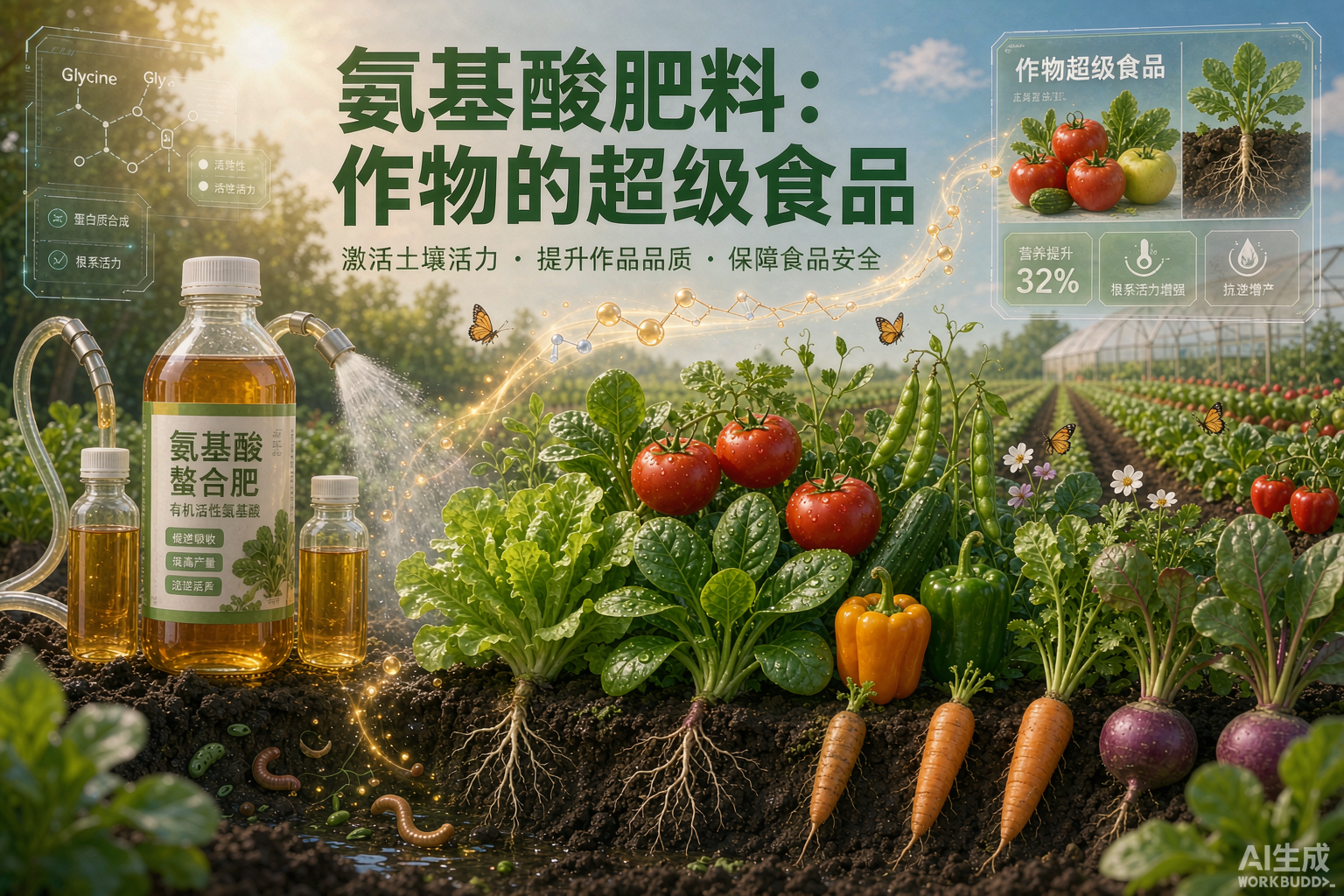
Imagine your crops as tiny athletes gearing up for a big race. They need more than just basic nutrients to perform their best—they need a boost of “energy drinks” that fuel growth, build resilience, and help them win against harsh weather and poor soil. That’s exactly what amino acid agriculture fertilizer is: a natural, powerful “superfood” that transforms ordinary plants into strong, high-yielding champions. Let’s dive into the fascinating world of this organic functional fertilizer and uncover why it’s becoming a game-changer for farmers worldwide.
What Exactly Is Amino Acid Agriculture Fertilizer?
First, let’s keep it simple: amino acids are the building blocks of proteins, and proteins are the foundation of all plant life. Just like humans need amino acids to build muscle and stay healthy, plants rely on them to grow roots, leaves, flowers, and fruits. But here’s the twist—plants can make their own amino acids, but the process is slow and energy-draining, especially when they’re stressed (think drought, cold, or nutrient-poor soil).
Amino acid agriculture fertilizer is a concentrated blend of these essential building blocks, made from natural sources through eco-friendly processes. The two main “recipes” for this fertilizer are:
- Plant-sourced amino acids: Made from crop by-products like soybean meal, seaweed, or corn stalks using enzyme hydrolysis (a gentle process that preserves nutrients, like “tearing meat by hand to keep its flavor”) . This method retains natural, plant-friendly L-amino acids—think of them as “ready-to-eat” nutrients that plants can absorb without wasting energy.
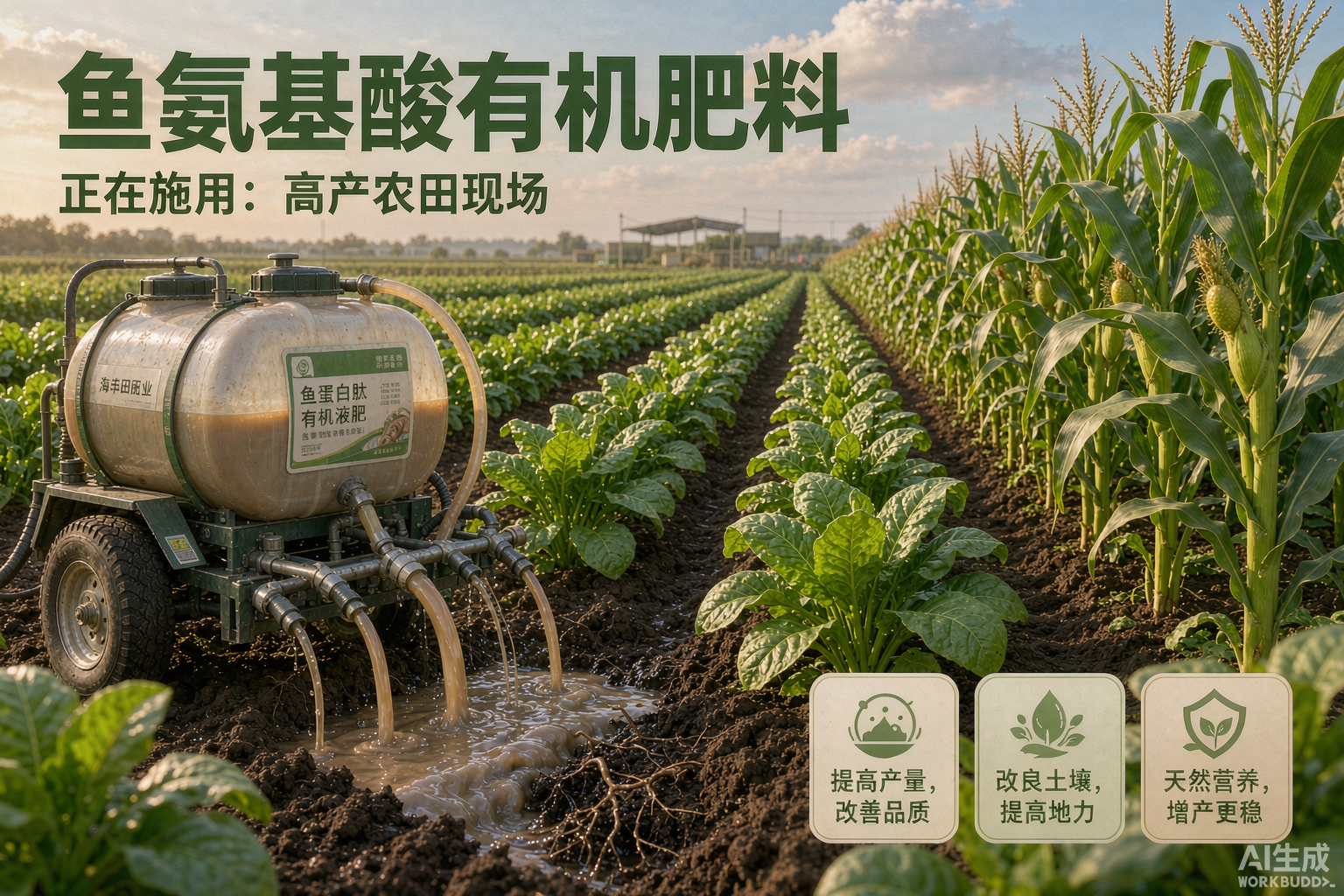
- Animal-sourced amino acids: Produced from animal by-products such as fish scraps, feather meal, or hoof and horn meal, usually through hydrolysis . These are rich in certain amino acids that boost rapid growth, though they need strict purification to avoid heavy metal or antibiotic residues.
Unlike chemical fertilizers that can burn roots and harm soil, this organic fertilizer is gentle yet effective. It’s 100% water-soluble, meaning plants can absorb it quickly—either through their leaves or roots—without waiting for slow decomposition in the soil .
Why Crops Love Amino Acid Fertilizer: The Superpowers Unveiled
If you’ve ever wondered why some farmers’ crops thrive even in bad weather, amino acid fertilizer is likely the secret. Let’s break down its amazing superpowers with real-world examples:
1. Stress Fighter: Helping Crops Survive Harsh Conditions
Climate change has made farming a risky business—heatwaves, droughts, and sudden frosts can ruin entire harvests. According to the UN Food and Agriculture Organization (FAO), extreme weather causes 10-25% of global food losses every year . But amino acid fertilizer acts like a “shield” for plants:
- Drought resistance: Amino acids like glutamate and proline help plants grow more roots (up to 50% more!) and retain water . In one experiment, wheat treated with amino acids kept 78% of its water-absorbing ability even when soil was dry .
- Frost protection: Proline lowers the temperature at which ice forms in plant cells, protecting them from freezing . Apple farmers who sprayed amino acids before spring frosts saw their fruit set rate jump by 32.4% .
- Heat tolerance: Amino acids activate “heat shock proteins” that protect plant cells from damage. Tomatoes treated with these fertilizers could tolerate temperatures up to 42°C (107.6°F) instead of wilting at 38°C .
2. Yield Booster: More Fruits, Better Quality
At the end of the day, farmers want more and better crops—and amino acid fertilizer delivers. Let’s look at the numbers:
- In Kazakhstan, winter wheat treated with amino acid foliar fertilizer yielded 4.64 tons per hectare, up from 3.26 tons without it .
- Chinese farmers growing lei bamboo replaced some chemical fertilizer with amino acid (fish protein) fertilizer and saw bamboo shoot yields increase by 23-26% .
- Rice treated with amino acid-enhanced urea had 21-27% more grain biomass and used nitrogen more efficiently, cutting down on waste .
It’s not just about quantity—quality gets a boost too. Grapes sprayed with amino acids during flower formation had 25% more buds, and fruits had higher sugar content . Apples grown with plant-sourced amino acids were bigger (80mm+ size doubled) and heavier .
3. Soil Saver: Building Healthy Earth for Future Crops
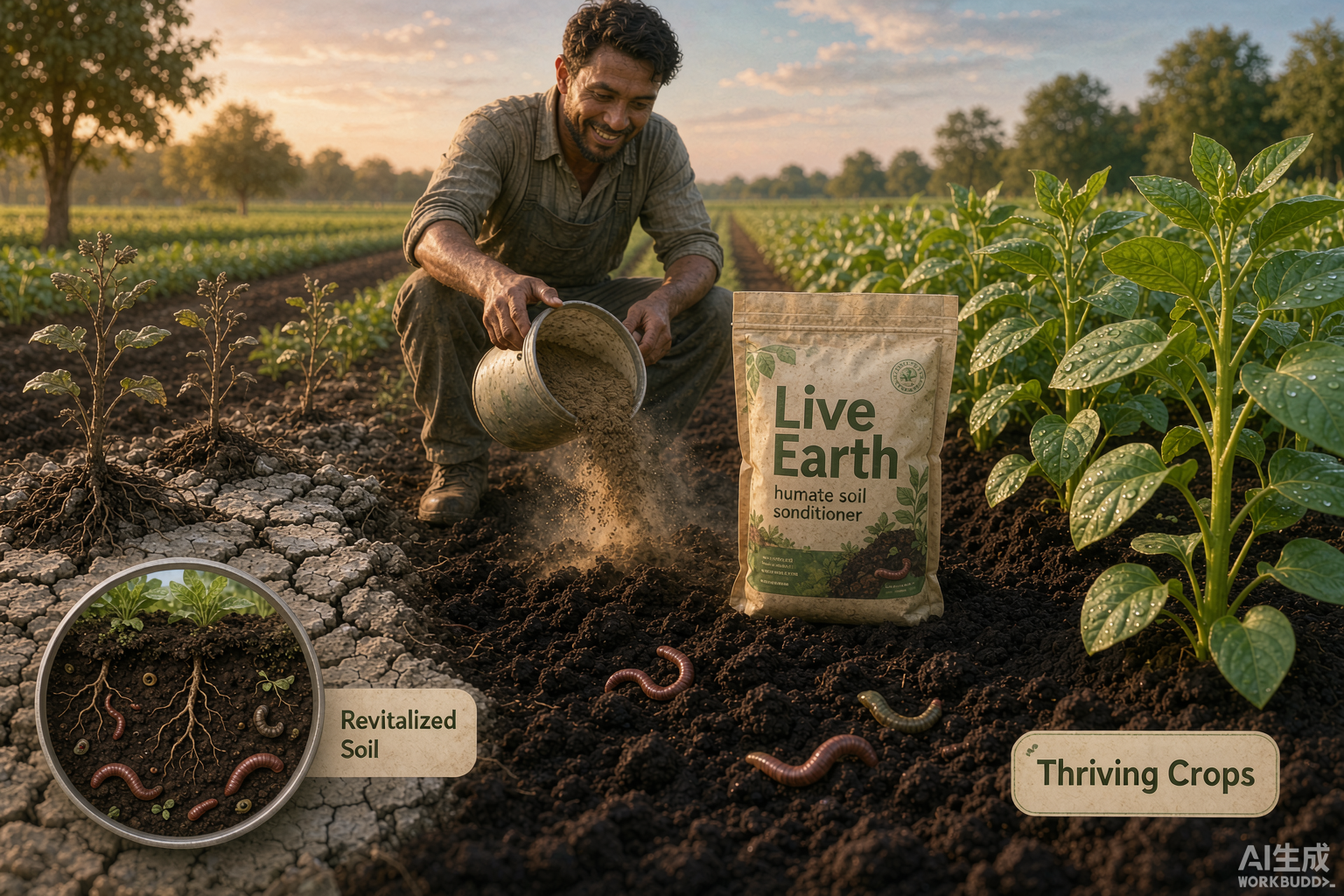
Chemical fertilizers can strip soil of nutrients and harm beneficial microbes, but amino acid fertilizer does the opposite. It feeds soil microbes, improving soil structure and fertility . In lei bamboo forests, using amino acid fertilizer increased soil organic carbon, microbial activity, and enzyme levels—making the soil healthier for years to come . It also reduces nitrogen leaching (the loss of nutrients into groundwater), keeping soil and water clean .
4. Nutrient Helper: Making Every Drop Count
Amino acids don’t just feed plants—they help them absorb other nutrients better. When mixed with minerals like manganese and zinc, amino acids form complexes that plants can take up twice as fast, even in dry conditions . This means less waste and more efficient use of other fertilizers, saving farmers money.
How to Use Amino Acid Fertilizer: Pro Tips for Best Results
Using amino acid fertilizer is easy, but a few tricks will make it work even better. Here’s how to apply it like a pro :
- Foliar spray: Dilute the fertilizer 300-500 times with water and spray it on leaves early in the morning or late in the evening (avoid hot midday sun). Do this during key growth stages: seedling, flowering, and fruiting. For seedlings, use a weaker concentration.
- Drip irrigation or fertigation: Mix the fertilizer with water and send it directly to the root zone through drip lines. This ensures steady nutrient delivery and is great for supplementing regular fertilization.
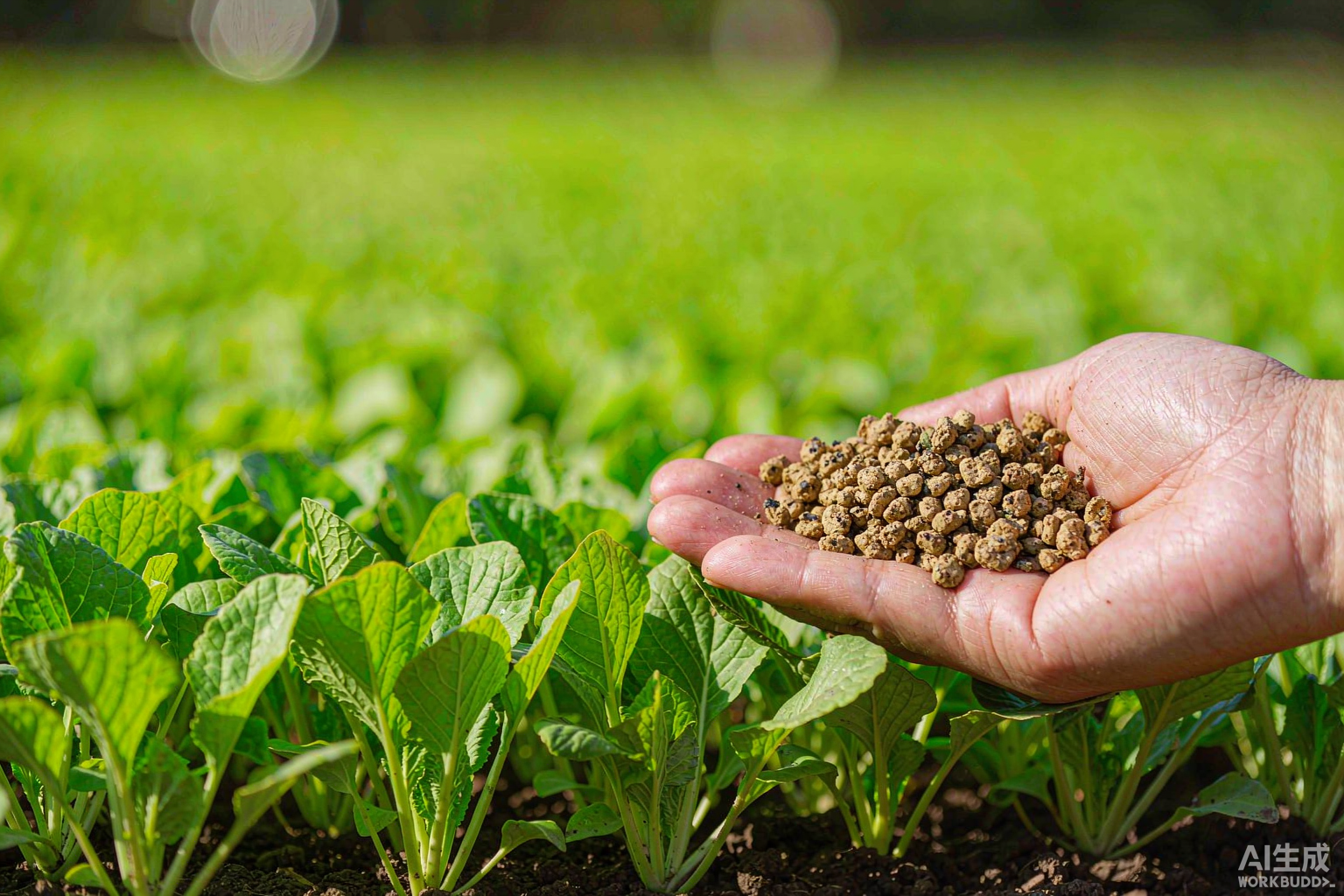
- Soil application: Spread the powder as a base fertilizer or top dressing. It feeds roots and soil microbes at the same time. Use 40-60 kg per acre for soil application and 1-3 kg per acre for foliar spray (adjust based on crop type).
- Mix wisely: It can be mixed with most pesticides and fertilizers for a “one-stop” treatment, but avoid alkaline products (they can kill amino acid activity).
Pro reminder: Choose the right source! For organic farming or sensitive crops (like blueberries), go for plant-sourced amino acids (low salt, no residues). For quick growth in corn or rice, animal-sourced is okay—just pick a purified product .
Myth Buster: Common Misconceptions About Amino Acid Fertilizer
Let’s clear up some wrong ideas that might be holding you back:
- Myth 1: Higher concentration = better results. No! Too much can make crops grow too fast (leggy stems, easy to fall over). Follow dosage guidelines .
- Myth 2: It’s a replacement for chemical fertilizer. Think of it as a “supplement,” not a substitute. Combining it with chemical or organic fertilizers gives the best yield .
- Myth 3: All amino acid fertilizers are the same. Plant-sourced and animal-sourced have different strengths—choose based on your crop and goals .
The Future of Farming: Why Amino Acid Fertilizer Matters
As the world needs more food with less environmental harm, amino acid agriculture fertilizer is stepping up. It’s eco-friendly (degrades in 7-15 days, no heavy metals), boosts yields, and keeps soil healthy . From small family farms to large commercial fields, it’s helping farmers grow more sustainably.
So next time you see a lush, bountiful crop field, remember: there might be a little help from amino acids—the “superfood” that’s changing the game for plants and farmers alike. Whether you’re growing tomatoes in a backyard or wheat on a large scale, this organic functional fertilizer is worth adding to your farming toolkit.
Interested in JINGFENG’s amino acid products? Explore our full range of high-quality biostimulants and organic fertilizers.
Leave a Comment
Your email address will not be published. Required fields are marked *