





Disclaimer: This article is for general informational purposes only and reflects traditional use and user-reported experiences. JINGFENG’s humic and fulvic acid products are dietary supplements and are not intended to diagnose, treat, cure, or prevent any disease. Individual results may vary. Consult a qualified healthcare professional before use.
Fulvic Acid (and Bio-Fulvic Acid) for Horses, Animals, and Aquaculture
Fulvic acid is a natural organic compound derived from decomposed plant matter (often from ancient sources like leonardite or peat). It acts as a powerful chelator, enhancing nutrient absorption, detoxification, and overall health. “Bio-fulvic acid” typically refers to biologically active or bioavailable forms, often emphasizing its role in animal feed for improved bioavailability. It’s commonly used as a supplement in livestock, pets, and aquaculture.
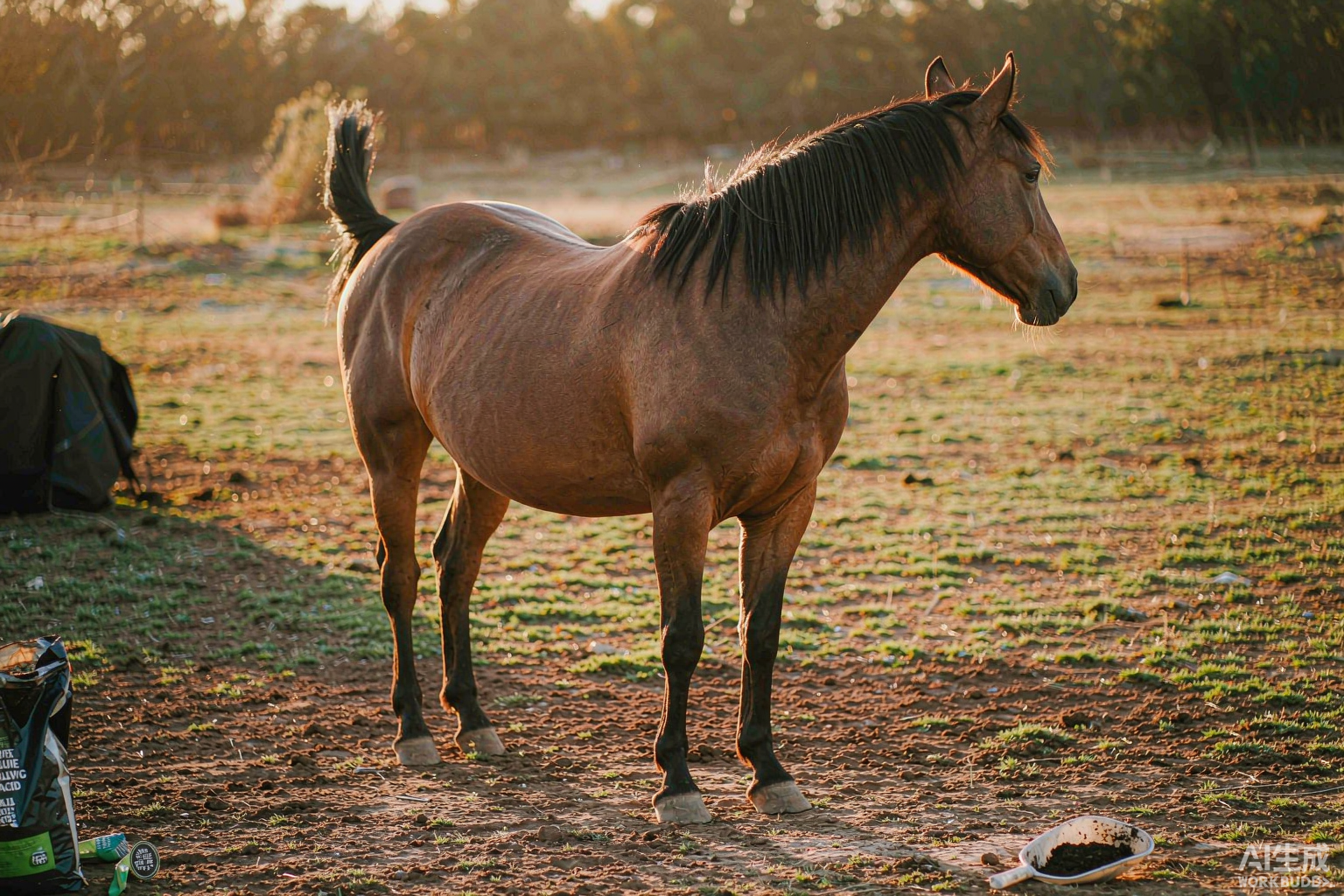
Benefits and Applications for Horses
Fulvic acid supplements are popular in equine nutrition for supporting performance, recovery, and overall vitality. Key reported benefits include:
- Improved nutrient absorption — Enhances bioavailability of minerals, vitamins, and trace elements from feed.
- Faster recovery and reduced inflammation — Helps with joint health, reduces lactic acid buildup, and speeds support (e.g., from exercise or injuries like stifle fluid).
- Detoxification and immune support — Binds toxins/heavy metals, supports gut health, and may reduce stress hormones.
- Performance enhancements — Better stamina, hormone balance, and coat/skin health.
Common products include Fulvic Equi Lixir, Fulvic Excel, or AGT-L50, often added to feed at low doses (e.g., 0.5–1 ml/day). Users report benefits like improved support and weight maintenance in performance horses.
Benefits for Other Animals (Livestock and Pets)
Fulvic acid (or humic-fulvic complexes) is used in feed for cattle, pigs, poultry, dogs, cats, and more. It promotes growth, digestion, and immunity. Benefits include:
- Enhanced feed efficiency and growth — Increases weight gain and nutrient utilization.
- Gut health and detoxification — Supports beneficial bacteria, reduces pathogens, and aids in toxin removal.
- Immune and antioxidant support — Boosts resistance to disease and reduces inflammation.
- General wellness — Improves coat quality, energy, and longevity in pets.
Studies show positive effects in pigs (better meat quality), dairy cows (higher milk yield), and poultry (improved performance). It’s safe at recommended doses, with no known major side effects.
Applications in Aquaculture
Fulvic acid is applied in aquaculture as a feed additive or water supportive use (bath exposure). It enhances water quality by reducing ammonia/toxins and improving oxygenation. Benefits include:
- Faster growth and better feed utilization — Studies show increased weight gain in species like rainbow trout, shrimp, and loach.
- Immune stimulation — Boosts innate immunity, reduces stress, and improves disease resistance.
- Antioxidant and anti-stress effects — Enhances survival under heat or high-density conditions.
Phenol-rich fulvic acid added to water (e.g., 5–50 mg/L) or feed has shown strong results in rainbow trout and shrimp, promoting gill-based immunostimulation.
| Application | Key Benefits | Typical Use |
| Horses | Nutrient absorption, recovery, joint health, performance | Feed additive (liquid/powder) |
| Livestock/Pets | Growth, immunity, gut health, detoxification | Feed supplement |
| Aquaculture | Growth, stress reduction, water quality, immunity | Feed or water additive |
| Animal Type | Key Benefits | Typical Dosage/Use | Supporting Evidence |
| Poultry (broilers, layers, yellow chickens) | Improved weight gain, feed conversion ratio (FCR), egg production/quality, antioxidant capacity, reduced inflammation, better gut microbiota | 0.01–0.5% in feed or water | Enhanced growth, immunity, and meat quality; alternative to antibiotics |
| Pigs (growing-finishing) | Increased ADG, better FCR, improved meat quality (higher marbling, lower oxidative stress), reduced backfat | 0.1–0.8% in feed | Linear/quadratic growth improvements; better lipid metabolism |
| Aquaculture (shrimp, fish like trout, loach, croaker) | Faster growth, higher survival, improved digestion (enzyme activity), boosted immunity/antioxidants, stress reduction | 0.01–2% in feed or water additive | Enhanced performance in intensive systems; gill immunostimulation |
| Livestock (cattle, dairy) | Better nutrient utilization, growth, milk yield, detoxification | 0.05–0.5% in feed | Improved feed efficiency and health |
| Horses | Enhanced recovery, joint health, nutrient absorption, detoxification | Low doses (e.g., 10–50 ml/day liquid) | Anecdotal benefits for performance and support |
| Pets (dogs, cats) | Gut health, detoxification, mineral absorption, coat/skin improvement | Drops in water/feed (e.g., 0.25–1 tsp/day) | Supports overall wellness and immunity |
Fulvic acid is generally considered safe and natural, with scientific support for its use in animals. Consult a veterinarian before starting supplements, especially for specific health conditions.
Humic Acid in Animal Nutrition
Humic acid (HA) is a natural organic compound derived from the decomposition of plant and animal matter, commonly found in soil, peat, leonardite, and lignite. It is part of humic substances (HS), which also include fulvic acid and humin. HA has a high molecular weight and acts as a chelator, binding minerals and toxins. In animal nutrition, it serves as a feed additive (often as sodium humate or from leonardite), approved in the EU as a feed material (with >40% HA content) since 2013. It is used as a natural alternative to antibiotics for growth promotion, gut health, and performance enhancement in livestock, poultry, aquaculture, and pets.
Benefits and Applications by Animal Type
Humic acid supplementation (typically 0.5–2% in feed or via water) shows positive effects across species, often in studies at 0.5–1% optimal doses.
| Animal Type | Key Benefits | Typical Dosage/Use | Supporting Evidence |
| Poultry (broilers, layers) | Improved weight gain, feed efficiency, egg production/quality, gut morphology, reduced mortality | 0.5–1% in feed or water | Multiple reviews; growth promotion as antibiotic alternative |
| Ruminants (cattle, dairy cows, calves) | Enhanced milk yield, better ruminal fermentation, improved digestibility, stress reduction | 0.5–1% in feed | Increased milk production and fatty acid profiles |
| Pigs (weaners, finishers) | Better growth, reduced diarrhea, improved meat quality, lower oxidative stress | 0.5–1% in feed | Enhanced resilience and feed conversion |
| Aquaculture (fish, shrimp) | Faster growth, better immunity, water quality improvement (reduced ammonia/toxins) | 2–5 kg/ton feed or water additive | Improved survival and performance |
| Horses | Gut health, detoxification, recovery support (often combined with fulvic acid) | Low doses in feed | Anecdotal and general HS benefits |
| Other (sheep, goats, pets) | Diarrhea supportive use, overall health, immune boost | Varies | Broad HS applications |
Comparison with Fulvic Acid
Humic acid (larger molecules) focuses on gut protection, toxin binding, and soil-like benefits, while fulvic acid (smaller, more soluble) excels at direct nutrient transport into cells. Many commercial products combine both for synergistic effects.
Humic acid is safe at recommended levels, with no major residues or resistance issues. It supports sustainable farming by reducing antibiotic use, improving feed efficiency, and lowering environmental impacts (e.g., less ammonia odor). Consult a veterinarian for specific dosing and formulations, as effects vary by source and animal needs.
Recent Studies on Fulvic Acid (2023–2025)
Fulvic acid (FA) continues to attract research interest across agriculture, animal nutrition, aquaculture, human health, and environmental applications. Recent studies (primarily 2023–2025) highlight its roles as a biostimulant, antioxidant, immunostimulant, and toxin mitigator. Below is a summary of key findings from peer-reviewed publications, focusing on emerging trends.
Agriculture and Plant Science
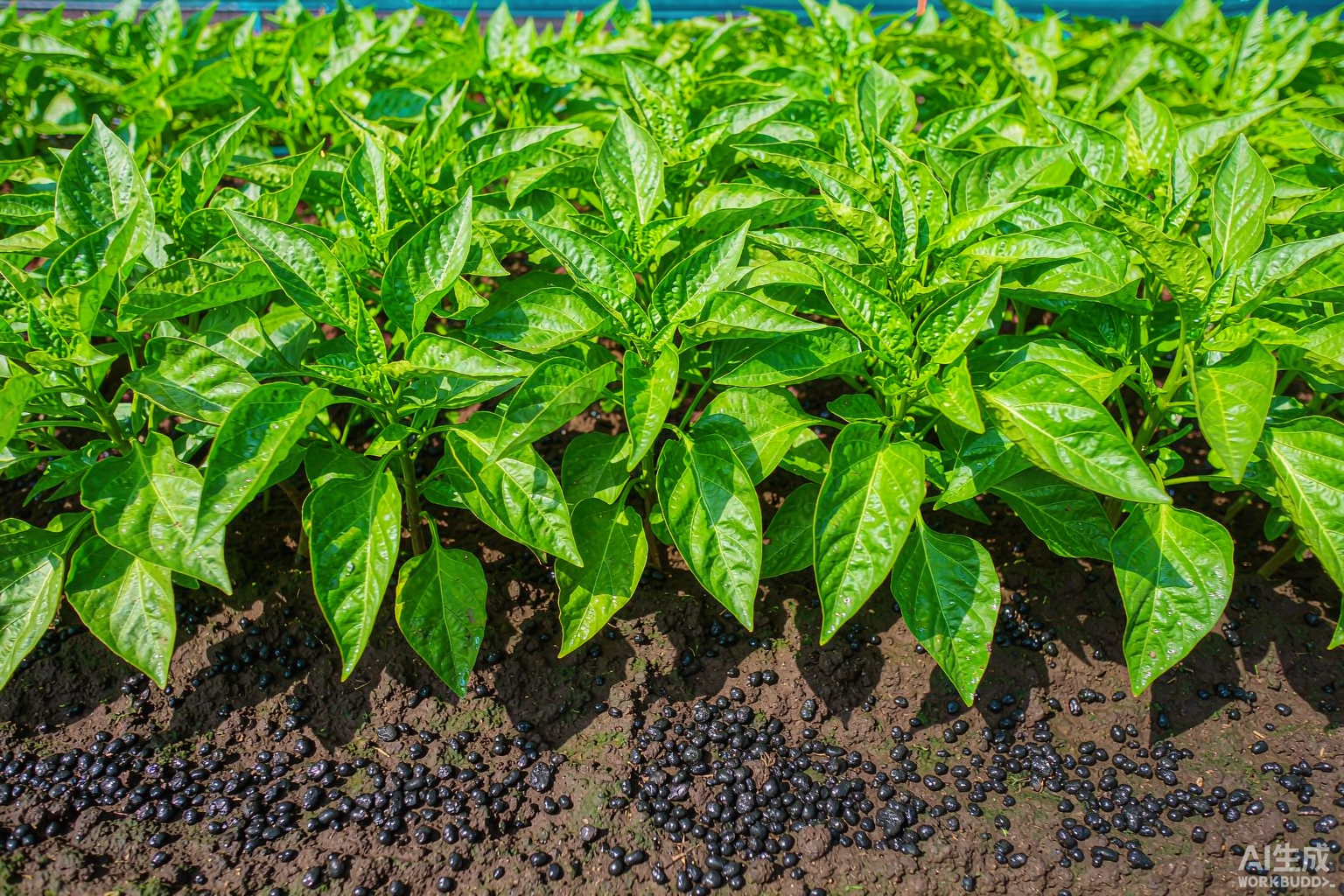
FA enhances plant growth, stress tolerance, and nutrient uptake. Recent work emphasizes its potential in remediation and crop improvement.
| Study/Year | Key Findings | Species/Application |
| 2025 | Dietary FA enhances systemic/mucosal immunity, reduces stress, and improves gut microbiota in rainbow trout. | Aquaculture (juvenile trout). |
| 2024–2025 | FA boosts digestive enzymes, antioxidants, and immunity in white-leg shrimp; improves growth in sea cucumber and large yellow croaker larvae. | Shrimp, sea cucumber, fish larvae. |
| 2023–2024 | FA supplementation increases broiler performance, antioxidant function, and intestinal microflora; enhances immune response in poultry. | Poultry (broilers, layers). |
FA is increasingly seen as a natural biostimulant for sustainable farming, with benefits in saline or polluted soils.
Animal Nutrition and Aquaculture
FA supplementation improves growth, immunity, and gut health in livestock, poultry, and aquatic species.
| Study/Year | Key Findings | Species/Application |
| 2025 | Dietary FA enhances systemic/mucosal immunity, reduces stress, and improves gut microbiota in rainbow trout. | Aquaculture (juvenile trout). |
| 2024–2025 | FA boosts digestive enzymes, antioxidants, and immunity in white-leg shrimp; improves growth in sea cucumber and large yellow croaker larvae. | Shrimp, sea cucumber, fish larvae. |
| 2023–2024 | FA supplementation increases broiler performance, antioxidant function, and intestinal microflora; enhances immune response in poultry. | Poultry (broilers, layers). |
These studies support FA as a natural alternative to antibiotics in intensive farming and aquaculture.
Human Health and Other Applications
Human studies remain limited, but emerging research explores anti-inflammatory and therapeutic potential.
| Study/Year | Key Findings | Application |
| 2025 | Retrospective review: Humic/fulvic acid + EGCG/vitamin C reduced COVID-19 mortality in nursing home patients (no deaths in support group vs. high in controls). | Integrative COVID-19 supportive use. |
| 2024–2025 | FA inhibits adipocyte differentiation (anti-obesity potential); protects gastric mucosa from stress-induced damage. | Metabolic health, gut protection. |
| 2023–2025 | FA shows anti-inflammatory effects in models; potential in chronic diseases, but clinical trials are sparse. | Supplements, topical uses. |
Safety appears high in reviewed doses, but more human trials are needed. FA is also studied for environmental remediation (e.g., heavy metals in soil/water).
Overall, research from 2023–2025 reinforces FA’s versatility as a natural, eco-friendly compound. Benefits are strongest in agriculture and animal feed, with growing evidence for aquaculture and potential human applications. Consult experts for specific uses, as effects vary by source and dose.
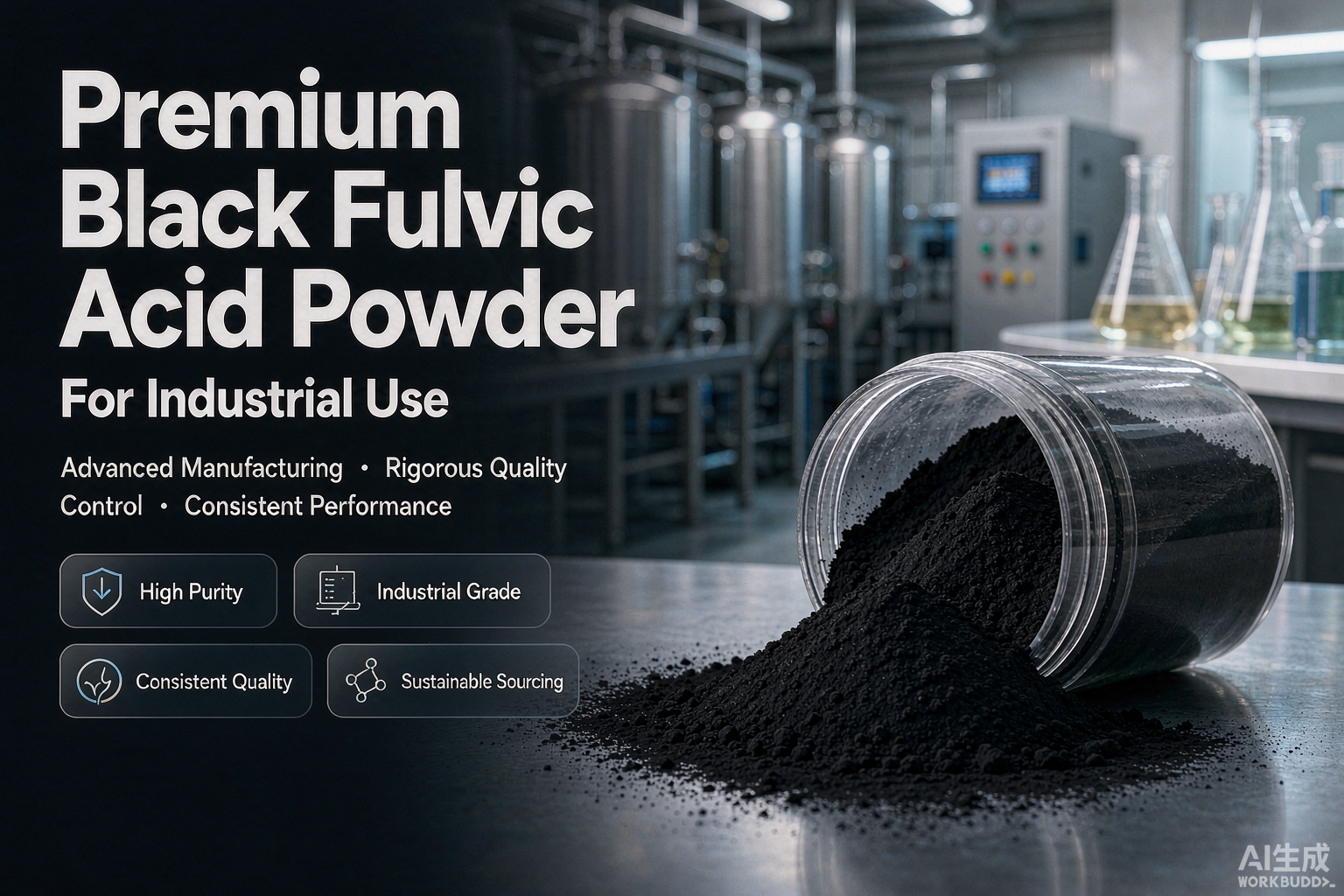
Interested in JINGFENG’s humic and fulvic acid products? Explore our full range of high-quality biostimulants and organic fertilizers.



Leave a Comment
Your email address will not be published. Required fields are marked *