





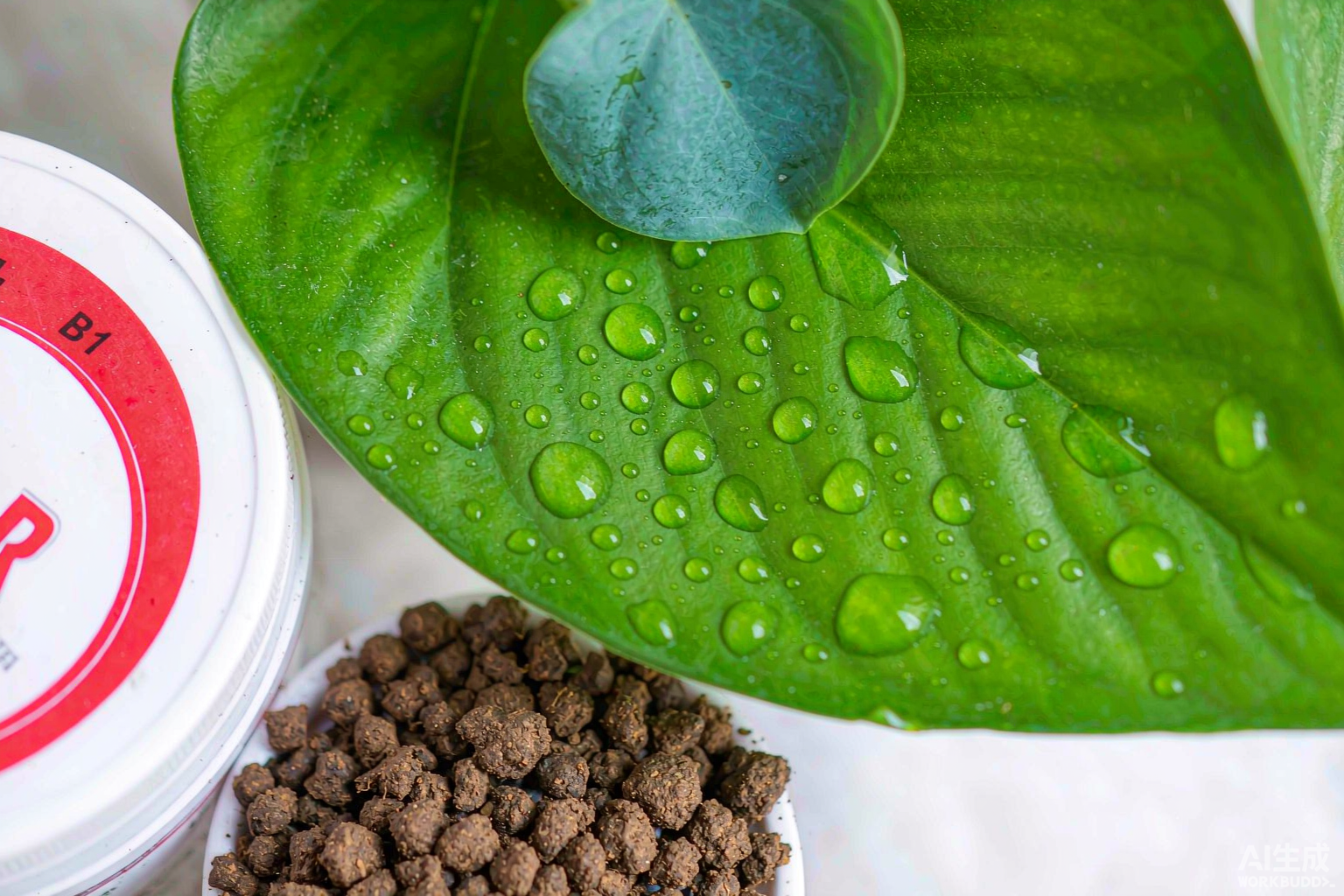
Amino acids are the building blocks of proteins, playing a crucial role in a plant’s growth and development. In recent years, the agricultural industry has been exploring innovative ways to improve crop yields and soil health, and one of the most promising solutions has been the use of amino acid fertilizers. Among these, organic amino acid fertilizers have gained significant attention for their sustainable and environmentally friendly properties. This article will explore the importance of amino acids in plants, the benefits of amino acid fertilizers, and the differences between organic and synthetic amino acid fertilizers.
Understanding Amino Acids and Their Role in Plant Growth
Amino acids are organic compounds that combine to form proteins, which are essential for nearly every biological function in both plants and animals. In plants, amino acids are involved in various physiological processes, including:
- Protein synthesis: Amino acids are essential for building proteins that are crucial for cell structure, enzymes, and other plant functions.
- Photosynthesis: Amino acids support the chlorophyll synthesis required for photosynthesis.
- Stress tolerance: Some amino acids, such as proline and glycine betaine, play roles in mitigating stress caused by environmental factors such as drought, salinity, and extreme temperatures.
- Nutrient uptake: Amino acids assist in nutrient absorption by forming chelates with minerals, which enhances their availability to plants.
Amino acids are not just vital for the plant’s cellular functions but are also involved in enhancing plant resilience against pests, diseases, and abiotic stressors, which makes them highly beneficial for agricultural purposes.
Amino Acid Fertilizers: A Brief Overview
Fertilizers containing amino acids aim to supplement the natural nutritional requirements of plants. These fertilizers are typically derived from either animal or plant sources and can be categorized into two main types: organic amino acid fertilizers and synthetic amino acid fertilizers. Both types serve similar purposes but differ in terms of production methods, environmental impact, and effectiveness.
Organic Amino Acid Fertilizers
Organic amino acid fertilizers are derived from natural sources, such as plant residues, animal waste, or specific microbial processes. These fertilizers are characterized by the following:
- Natural and Sustainable: Organic amino acid fertilizers are produced without the use of synthetic chemicals. This makes them a more sustainable choice for farming, as they contribute to healthier ecosystems and promote soil fertility.
- Improved Soil Health: Organic fertilizers add organic matter to the soil, enriching it with essential microorganisms that break down nutrients. This helps improve soil structure, increase water retention, and foster a more robust microbial community that is beneficial for plant growth.
- Slow-release Nutrients: Unlike synthetic fertilizers, which often provide nutrients in a quick-release form, organic amino acid fertilizers release nutrients slowly. This helps to prevent nutrient leaching and ensures that plants have a steady supply of nutrients over time.
- Reduced Environmental Impact: Since organic amino acid fertilizers are made from natural sources, they have a lower environmental footprint compared to synthetic fertilizers. They help to reduce soil and water pollution, as they do not contain harmful chemicals that can run off into nearby water bodies.
- Compatibility with Organic Farming: Organic amino acid fertilizers are essential for certified organic farming systems, where the use of synthetic chemicals and fertilizers is prohibited.
Synthetic Amino Acid Fertilizers
Synthetic amino acid fertilizers, on the other hand, are manufactured through chemical processes, such as hydrolysis of proteins or amino acids derived from industrial processes. These fertilizers are commonly used in conventional farming systems because of their cost-effectiveness and fast-acting nature. However, there are some drawbacks:
- Immediate Nutrient Availability: Synthetic fertilizers provide amino acids and nutrients in a readily available form, which can quickly boost plant growth. This is beneficial for crops that require rapid nutrient uptake.
- Potential for Overuse: Due to the quick-release nature of synthetic fertilizers, farmers may over-apply them, leading to nutrient imbalances, soil degradation, and pollution.
- Environmental Concerns: The production and use of synthetic fertilizers can contribute to environmental pollution. For example, excess nitrogen and phosphorus from fertilizers can cause eutrophication of water bodies, leading to algal blooms and oxygen depletion.
- Short-Term Gains: While synthetic amino acid fertilizers provide immediate results, their long-term effectiveness in enhancing soil health is limited compared to organic fertilizers. They do not add organic matter to the soil, which is essential for maintaining sustainable agricultural systems.
The Benefits of Organic Amino Acid Fertilizers
Organic amino acid fertilizers offer several advantages over synthetic alternatives, making them an ideal choice for sustainable agriculture. Here are some key benefits:
1. Enhanced Plant Growth and Development
Organic amino acid fertilizers are rich in essential amino acids, which act as natural growth regulators. These amino acids stimulate the production of plant hormones like auxins and gibberellins, which promote cell division, elongation, and differentiation. This leads to healthier, more vigorous plants with stronger root systems and improved resistance to diseases and pests.
2. Improved Stress Tolerance
Plants often experience various types of stress, such as drought, extreme temperatures, and nutrient deficiencies. Organic amino acid fertilizers help plants cope with these stresses by promoting the synthesis of osmoprotectants (e.g., proline), which protect cells from dehydration and oxidative damage. By improving the plant’s natural defense mechanisms, these fertilizers can help ensure better yields even under adverse conditions.
3. Better Nutrient Uptake
The amino acids in organic fertilizers can act as chelators, binding to essential minerals and making them more available to plants. This enhances the efficiency of nutrient uptake, reducing the need for high quantities of synthetic fertilizers. This is particularly important for micronutrients like iron, zinc, and manganese, which are often limited in soil.
4. Promoting Soil Microbial Health
The application of organic fertilizers improves soil health by encouraging the growth of beneficial microorganisms. These microbes play a crucial role in breaking down organic matter, releasing nutrients, and improving soil structure. Healthy soil microbial communities also enhance nutrient cycling, leading to more sustainable farming practices.
5. Long-Term Soil Fertility
Organic amino acid fertilizers contribute to the long-term fertility of the soil by adding organic matter that improves soil structure. This helps retain moisture, reduce erosion, and promote the formation of humus. Over time, the application of organic fertilizers can lead to more productive and sustainable farming systems.
6. Reduced Environmental Impact
Since organic amino acid fertilizers are derived from natural sources, they are less likely to contribute to environmental pollution. They are biodegradable, and their slow-release properties ensure that nutrients are used efficiently, reducing the risk of leaching into groundwater or runoff into water bodies.
7. Compatibility with Organic Certification
Organic amino acid fertilizers are compliant with the standards of organic certification bodies, which prohibit the use of synthetic chemicals in agriculture. This makes them essential for farmers practicing organic agriculture, who rely on natural inputs to maintain soil health and produce high-quality crops.
Applications of Organic Amino Acid Fertilizers
Organic amino acid fertilizers can be applied in various ways depending on the crop type, growth stage, and soil condition. Some common methods of application include:
- Soil Application: Organic amino acid fertilizers can be applied directly to the soil either in granular or liquid form. When added to the soil, they improve nutrient availability and promote microbial activity.
- Foliar Spraying: Foliar feeding involves spraying the amino acid fertilizer directly onto the leaves of the plants. This method ensures that the nutrients are quickly absorbed through the stomata and are readily available for the plant’s metabolic processes.
- Seed Treatment: Organic amino acid fertilizers can be used to coat seeds before planting. This provides the seeds with essential nutrients during the early stages of germination and helps promote better root and shoot development.
- Hydroponic Systems: In hydroponics, where plants are grown in water-based nutrient solutions, organic amino acid fertilizers can be added to provide plants with the necessary nutrients for optimal growth.
Conclusion
Organic amino acid fertilizers represent a sustainable solution to modern agricultural challenges. They not only enhance plant growth and yield but also promote soil health, improve nutrient uptake, and reduce the environmental impact of farming. As the world moves towards more eco-friendly farming practices, organic fertilizers are becoming an essential tool in the quest for sustainable agriculture. By adopting these natural fertilizers, farmers can improve crop quality, reduce dependence on synthetic chemicals, and contribute to a healthier planet.
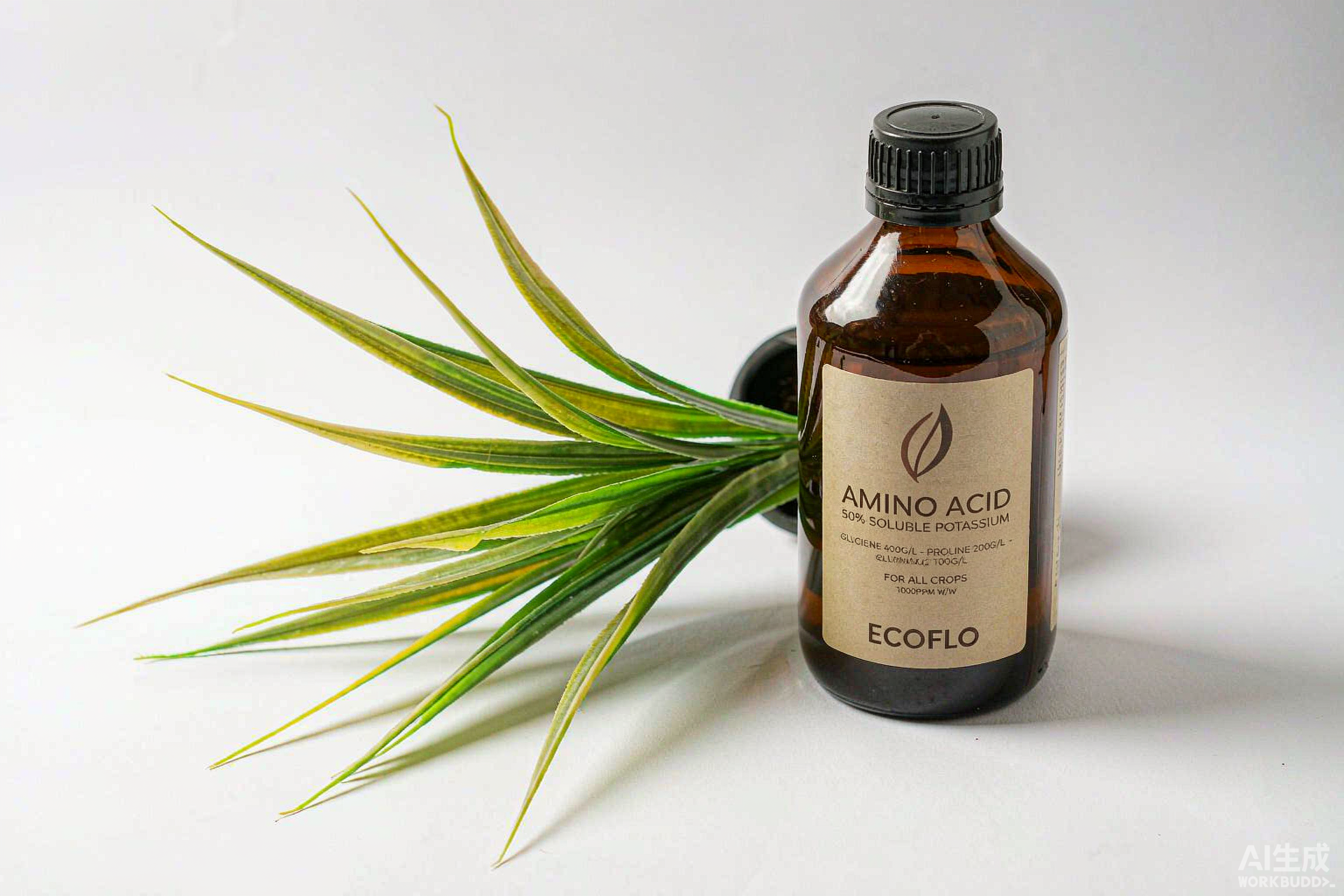
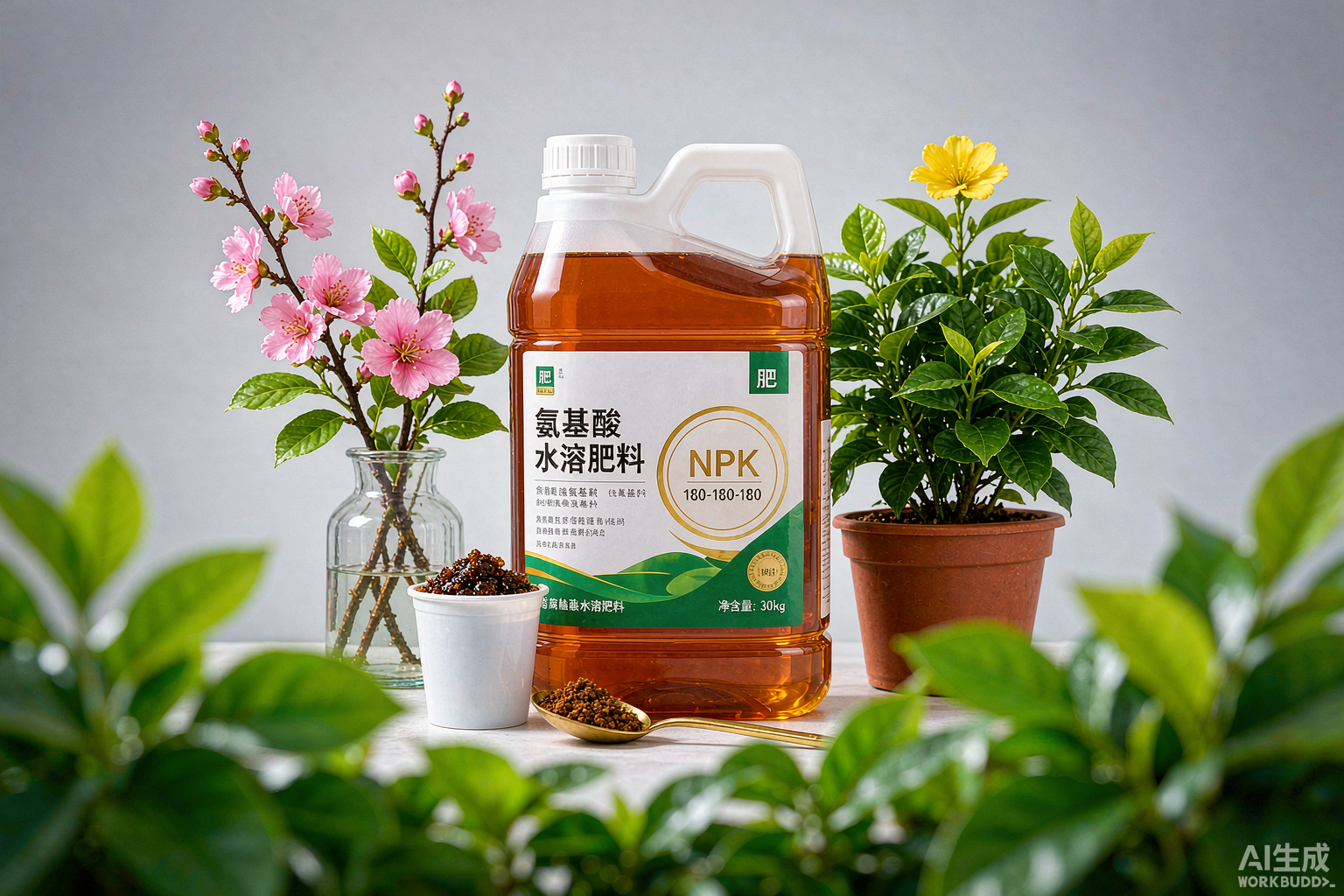
Interested in JINGFENG’s amino acid products? Explore our full range of high-quality biostimulants and organic fertilizers.



Leave a Comment
Your email address will not be published. Required fields are marked *