





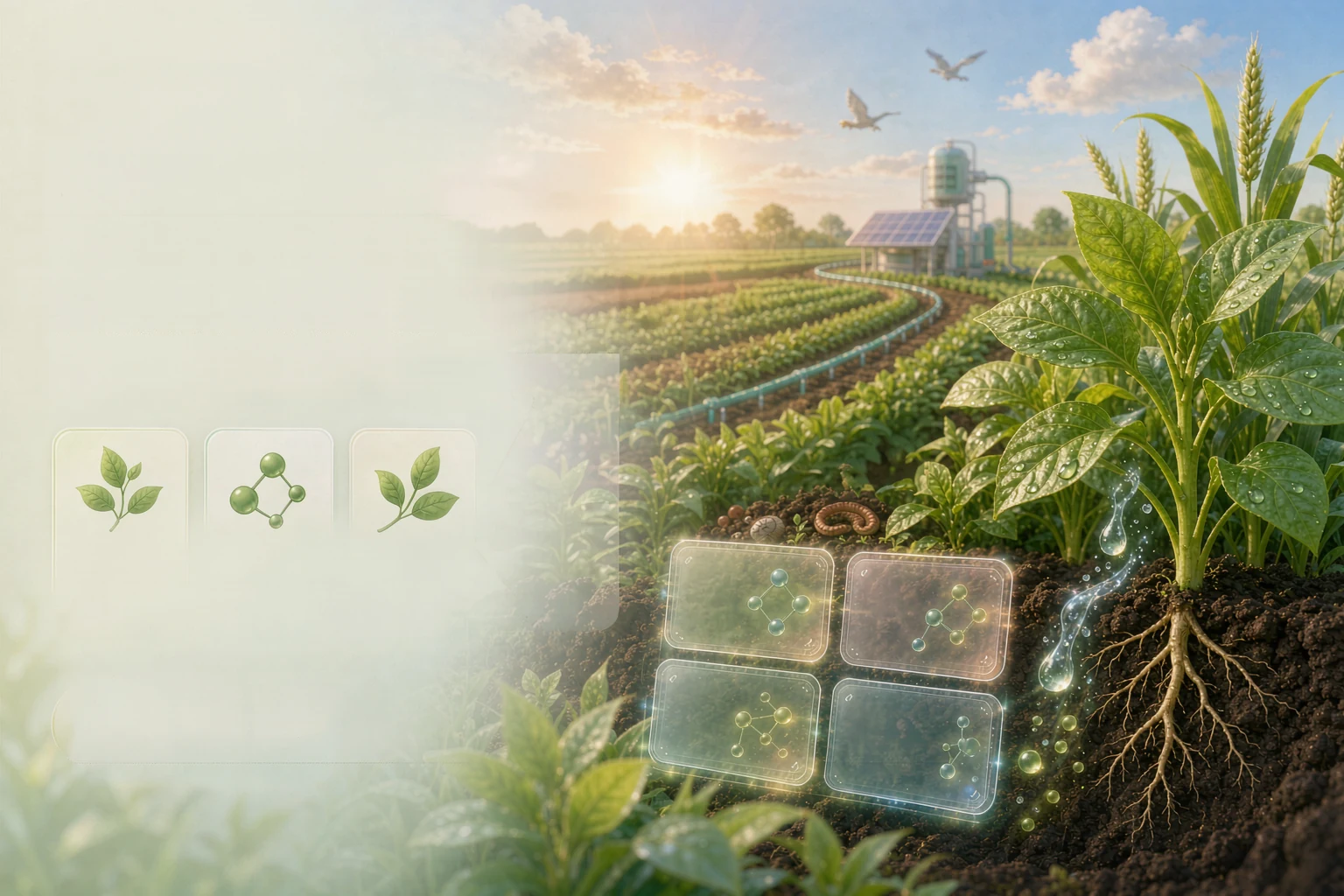
In an era where global population growth, climate change, and soil degradation pose unprecedented challenges to agriculture, farmers and agribusinesses are in urgent need of innovative solutions that balance high yields, superior quality, and environmental responsibility. Enter NPK amino acid fertilizers—a groundbreaking fusion of essential macronutrients (nitrogen, phosphorus, potassium) and bioactive amino acids that transforms how crops access nutrition, adapt to stress, and realize their full genetic potential. Far beyond a mere “fertilizer upgrade,” NPK amino acids represent a paradigm shift in smart agriculture, offering a holistic approach to crop health that benefits both producers and the planet. This article delves into the science, benefits, applications, and real-world impact of NPK amino acids, proving why they are the must-have tool for modern farmers aiming to thrive in a competitive, eco-conscious market.
The Science Behind NPK Amino Acids: Why Traditional Fertilizers Fall Short
To understand the superiority of NPK amino acids, we first need to address the limitations of conventional NPK fertilizers. For decades, farmers have relied on synthetic or mineral-based NPK products to supply crops with the three primary nutrients critical for growth: nitrogen (for foliage and protein synthesis), phosphorus (for roots, flowers, and fruit development), and potassium (for stress resistance and nutrient transport). However, these traditional fertilizers suffer from three major flaws: low nutrient utilization rates, environmental harm, and a lack of holistic crop support.
Conventional NPK fertilizers require complex conversion processes in the soil before crops can absorb them. For example, nitrogen in the form of urea must be converted to ammonium by soil bacteria, then to nitrate—steps that are slow, energy-intensive, and highly dependent on soil temperature, moisture, and pH. As a result, only 30-40% of the applied nutrients are actually taken up by crops; the rest is lost to leaching (polluting groundwater), volatilization (releasing greenhouse gases like ammonia), or fixation (becoming unavailable in the soil). This not only wastes resources and increases farming costs but also contributes to soil degradation, water pollution, and climate change.
Moreover, traditional NPK fertilizers focus solely on nutrient delivery, ignoring the crop’s natural defense mechanisms and soil health. In an era of increasingly extreme weather—droughts, floods, heatwaves, and cold snaps—crops need more than just nutrients; they need support to resist stress, repair damage, and maintain productivity. This is where NPK amino acids step in: by combining bioavailable NPK with amino acids, they address both nutrient absorption and stress resilience, creating a synergistic effect that outperforms any single-component fertilizer.
Amino acids are the building blocks of proteins, the foundation of all biological processes in plants. Unlike synthetic nutrients, amino acids are directly absorbable by crop roots and leaves, requiring no conversion. When paired with NPK, they act as “carriers” that enhance nutrient uptake, ensuring that nitrogen, phosphorus, and potassium reach the plant’s cells faster and more efficiently. Additionally, specific amino acids—such as proline, glycine, and glutamic acid—trigger the production of stress-responsive proteins, antioxidants, and phytohormones, strengthening the crop’s ability to withstand drought, salinity, extreme temperatures, and pest attacks. This dual action—nutrition + protection—makes NPK amino acids a game-changer for modern agriculture.
Core Benefits of NPK Amino Acids: From Soil to Harvest
The advantages of NPK amino acid fertilizers are multifaceted, delivering tangible results across every stage of crop growth and long-term agricultural sustainability. Below are the key benefits backed by scientific research and field trials:
1. Unmatched Nutrient Utilization: Maximize Efficiency, Minimize Waste
The most significant advantage of NPK amino acids is their ability to boost nutrient utilization rates to 70-90%—nearly double that of conventional fertilizers. This is due to the chelating properties of amino acids: they form stable complexes with NPK nutrients, preventing them from being fixed in the soil or washed away. For example, amino acids chelate iron, zinc, and other micronutrients alongside NPK, ensuring that all essential elements are readily available for crop absorption. In field trials conducted on wheat crops in India, NPK amino acid fertilizers increased nitrogen use efficiency by 45% compared to urea alone, reducing fertilizer requirements by 30% while maintaining or increasing yields.
This efficiency translates to direct cost savings for farmers: less fertilizer is needed to achieve the same (or better) results, lowering input costs and reducing the environmental footprint. For large-scale agricultural operations, this can mean thousands of dollars in savings annually, while small-scale farmers benefit from reduced expenditure on expensive synthetic fertilizers.
2. Enhanced Stress Resistance: Protect Crops in a Changing Climate
Climate change has made stress tolerance one of the most critical traits for crop productivity. Droughts, which affect over 40% of global agricultural land, can reduce yields by 50% or more for major crops like maize and soybeans. Salinity, caused by over-irrigation or coastal soil intrusion, impacts over 800 million hectares of land worldwide. NPK amino acids address these challenges by activating the crop’s natural defense systems.
Proline, an amino acid abundant in high-quality NPK amino acid fertilizers, accumulates in plant cells during drought or salinity stress, acting as an osmoprotectant that maintains cell turgor and prevents water loss. Glycine betaine, another key amino acid, enhances photosynthetic efficiency under heat stress, ensuring that crops continue to produce energy even in extreme temperatures. In a study conducted by the University of California, Davis, tomato plants treated with NPK amino acids showed 30% higher drought tolerance and 25% higher salinity tolerance compared to untreated plants, with yields reduced by only 10% under stress conditions (versus 40% for untreated crops).
NPK amino acids also improve resistance to pests and diseases by strengthening cell walls and promoting the production of natural pesticides (e.g., phytoalexins). This reduces the need for chemical pesticides, aligning with organic and sustainable farming practices while protecting beneficial insects and soil microbes.
3. Superior Crop Quality & Higher Yields: Drive Market Value
For farmers, the ultimate goal is to produce high-quality crops that command premium prices in the market. NPK amino acids deliver on this front by enhancing both yield and quality parameters. By ensuring balanced nutrition and reducing stress, they promote uniform growth, larger fruit size, and improved nutritional content.
In trials on strawberries in Spain, NPK amino acid application increased yields by 28% compared to conventional NPK fertilizers, with berries showing 18% higher sugar content, 22% more vitamin C, and 15% better shelf life. For grapes, the product improved color uniformity (critical for wine production) and increased anthocyanin levels by 30%, enhancing both visual appeal and flavor. For leafy greens like spinach, NPK amino acids boosted chlorophyll content by 20%, resulting in darker, more nutritious leaves that sell faster in retail markets.
The impact on cash crops is equally impressive. In cotton fields in Pakistan, NPK amino acid fertilizers increased lint yield by 32% and improved fiber strength by 15%, making the crop more valuable to textile manufacturers. For rice, trials in Thailand showed a 25% increase in grain yield and a 10% reduction in chalkiness (a major quality defect), allowing farmers to access higher-value export markets.
4. Soil Health Restoration: Build Long-Term Fertility
Sustainable agriculture depends on healthy soil, yet decades of over-reliance on synthetic fertilizers have depleted soil organic matter, reduced microbial activity, and caused soil acidification and salinization. NPK amino acids address this by nurturing the soil ecosystem. Unlike synthetic fertilizers, which can disrupt soil pH and kill beneficial microbes, NPK amino acids are derived from natural sources (soybean meal, fish hydrolysate, seaweed, and other organic materials), providing a food source for soil bacteria and fungi.
These soil microbes play a critical role in nutrient cycling, breaking down organic matter into plant-available forms and improving soil structure. By boosting microbial activity, NPK amino acids increase soil organic carbon content, enhance water retention, and reduce erosion. In a long-term study in China, fields treated with NPK amino acids for three consecutive years showed a 20% increase in soil organic matter, a 30% improvement in water-holding capacity, and a 40% increase in beneficial microbial populations compared to fields treated with conventional fertilizers. This not only improves current crop performance but also builds soil fertility for future generations, ensuring the sustainability of agricultural operations.
5. Versatility & Easy Application: Adapt to Any Farming System
NPK amino acid fertilizers are designed to integrate seamlessly into any farming system, from small-scale subsistence farms to large-scale commercial operations. They are available in multiple forms to suit different application methods:
- Liquid Form: Ideal for foliar sprays, drip irrigation, and fertigation. Liquid NPK amino acids are quickly absorbed through leaves and roots, making them perfect for quick nutrient correction or stress relief. Recommended dilution rates range from 600-1000x for drip irrigation and 800-1200x for foliar sprays, depending on the crop and growth stage.
- Water-Soluble Powder: 100% soluble in water, with no clumping or residue. Suitable for foliar sprays (1.5-2g per liter), soil drenching, or mixing with other fertilizers. The powder form is easy to store and transport, making it popular for small-scale farmers.
- Controlled-Release Granules: Designed for soil application, providing steady nutrition over 3-6 months. Ideal for row crops, orchards, and ornamental plants, reducing the need for frequent applications.
NPK amino acids are compatible with most pesticides, herbicides, and other fertilizers, allowing farmers to incorporate them into their existing routines without major adjustments. They work in all growing environments: open fields, greenhouses, hydroponics, and vertical farms. Whether you’re growing cereals, vegetables, fruits, pulses, or ornamental plants, NPK amino acids can be tailored to your specific needs.
Real-World Success Stories: Farmers Trust NPK Amino Acids
The effectiveness of NPK amino acids is not just supported by scientific research—it’s proven by farmers around the world. Here are two compelling case studies:
Case Study 1: Tomato Farming in Italy
A family-owned greenhouse in southern Italy was struggling with low yields and poor fruit quality due to soil salinization and drought stress. After switching to a liquid NPK amino acid fertilizer, the farmer noticed significant improvements within three weeks: seedling establishment time was reduced by 20%, flower drop decreased by 35%, and fruit set rate increased by 40%. At harvest, yields were 32% higher than the previous year, with tomatoes showing 25% higher sugar content and 18% longer shelf life. The farmer also reduced synthetic fertilizer use by 40% and pesticide use by 25%, lowering input costs by €1,200 per hectare.
Case Study 2: Rice Cultivation in Vietnam
A cooperative of 50 rice farmers in the Mekong Delta was facing declining yields due to soil acidification and increasing flooding events. They adopted a powder NPK amino acid fertilizer, applying it via foliar sprays during the seedling and flowering stages. After one growing season, average yields increased by 28%, and grain quality improved significantly—chalkiness was reduced by 30%, and protein content increased by 12%. The farmers also reported that the rice plants were more resistant to flooding, with a 20% higher survival rate during extended waterlogging. As a result, the cooperative was able to secure a premium price from export buyers, increasing net income by 35% per farmer.
Join the Sustainable Agriculture Movement: Choose NPK Amino Acids
The global agricultural landscape is changing rapidly. Consumers are demanding safer, more nutritious food, governments are implementing stricter environmental regulations, and farmers are under pressure to do more with less. NPK amino acid fertilizers address all these challenges, offering a win-win solution that boosts productivity, improves quality, and protects the environment.
By choosing NPK amino acids, you’re not just investing in a fertilizer—you’re investing in the future of your farm. You’ll reduce input costs, increase yields, and access higher-value markets. You’ll restore your soil health, reduce your environmental footprint, and contribute to a more sustainable food system. And you’ll join a growing community of farmers who are leading the way in smart, responsible agriculture.
Whether you’re a small-scale grower looking to improve your family’s livelihood or a large agribusiness aiming to stay ahead of the competition, NPK amino acids are the key to unlocking your crops’ full potential. Don’t settle for outdated, inefficient fertilizers that harm your soil and limit your profits. Make the switch to NPK amino acids today and experience the difference for yourself.
Take Action Now: Transform Your Farming with NPK Amino Acids
Ready to revolutionize your crop production? Contact our team of agricultural experts to:
- Receive a customized application guide tailored to your crop, soil type, and growing conditions.
- Access free soil testing and nutrient analysis to optimize your fertilizer program.
- Get competitive pricing and bulk ordering discounts for large-scale operations.
- Join our training workshops and webinars to learn best practices for NPK amino acid use.
With NPK amino acids, the future of farming is bright—for you, your crops, and the planet. Let’s grow together.
Interested in JINGFENG’s amino acid products? Explore our full range of high-quality biostimulants and organic fertilizers.
Leave a Comment
Your email address will not be published. Required fields are marked *