




What is Amino Acid Nitrogen Fertilizer?
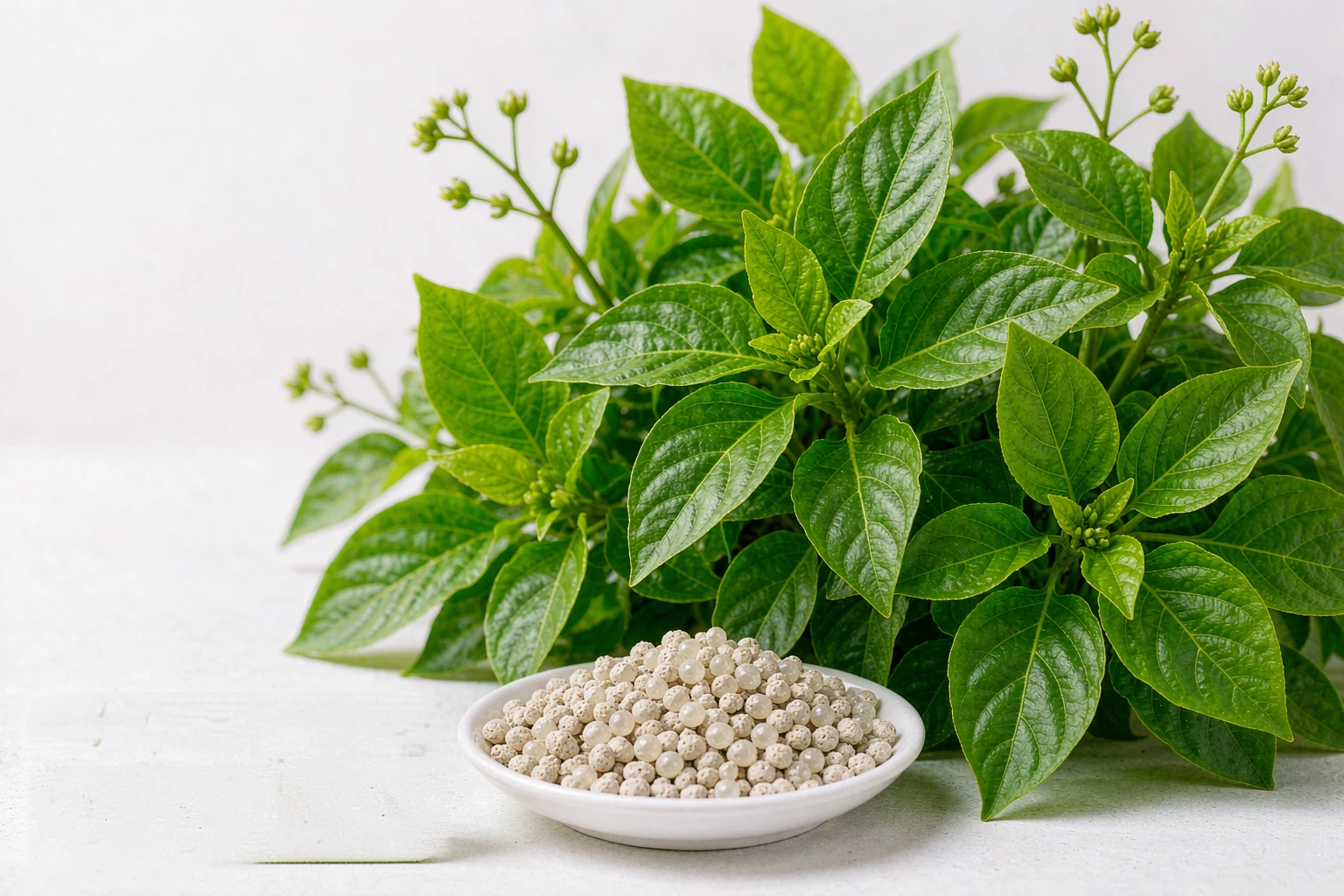
Amino acid nitrogen fertilizer is a type of organic or bio-based fertilizer that uses amino acids (the building blocks of proteins) as a primary source of nitrogen (N) and other nutrients for plants. Unlike traditional synthetic nitrogen fertilizers (e.g., urea or ammonium nitrate), which provide nitrogen in inorganic forms like NH₄⁺ or NO₃⁻, amino acid-based fertilizers deliver nitrogen in an organic, chelated form that’s directly derived from or composed of amino acids.
Key Components and How It Works
- Nitrogen Source: Amino acids contain nitrogen in their molecular structure (e.g., in the amino group -NH₂). Common amino acids used include glycine, glutamic acid, lysine, and others. The nitrogen content typically ranges from 8–14% by weight, depending on the formulation.
- Production: It’s often made by hydrolyzing protein-rich materials such as:
– Animal by-products (e.g., feather meal, blood meal, fish emulsion).
– Plant proteins (e.g., soybean meal, corn steep liquor).
– Microbial fermentation or enzymatic breakdown.
This process breaks proteins into free amino acids and small peptides.
- Forms Available:
– Liquid (foliar sprays or soil drenches).
– Powder/granular (for soil application).
– Often combined with other nutrients like trace elements (e.g., chelated iron, zinc).
Benefits for Plants
1. Rapid Absorption: Plants can take up amino acids directly through roots or leaves (via stomata), bypassing the need to convert inorganic nitrogen into organic forms. This is especially useful under stress conditions (e.g., cold, drought, salinity).
2. Stimulates Growth: Amino acids act as biostimulants—they enhance photosynthesis, root development, enzyme activity, and hormone production (e.g., auxins, cytokinins).
3. Improves Nutrient Efficiency: Reduces nitrogen leaching/loss compared to synthetic fertilizers; promotes microbial activity in soil.
4. Eco-Friendly: Lower environmental impact; suitable for organic farming (certified versions exist under standards like USDA Organic or EU Organic).
5. Anti-Stress Effects: Helps plants recover from transplant shock, pests, or extreme weather by supporting protein synthesis.
Comparison to Traditional Nitrogen Fertilizers
|
| Aspect | Amino Acid Nitrogen Fertilizer | Synthetic Nitrogen (e.g., Urea) |
| Nitrogen Form | Organic (amino acids/peptides) | Inorganic (NH₄⁺, NO₃⁻) |
| Absorption Speed | Fast (direct uptake) | Slower (requires soil conversion) |
| Efficiency | High (less waste) | Variable (prone to leaching/volatilization) |
| Environmental Impact | Low (biodegradable) | Higher (runoff, greenhouse gases) |
| Cost | Higher | Lower |
| Best For | Organic crops, stress-prone plants, hydroponics | High-yield conventional farming |
Applications and Usage
- Crops: Vegetables, fruits, cereals, ornamentals, turfgrass.
- Dosage: Varies by product (e.g., 1–5 L/ha for liquids); always follow label instructions.
- Examples of Commercial Products:
– Aminogro, BioForge, Pepton.
– Often labeled as “amino acid fertilizer” or “protein hydrolysate.”
Potential Drawbacks
- More expensive than synthetic options.
- Lower total nitrogen concentration, so may need complementary fertilizers for heavy feeders.
- Quality varies—look for products with verified amino acid profiles and no heavy metals.
In summary, amino acid nitrogen fertilizer is a plant-friendly, sustainable alternative to chemical nitrogen sources, focusing on bioavailability and biostimulation rather than just raw nutrient delivery. It’s popular in modern agriculture, especially for high-value or organic systems. If you’re using it, soil/pH testing is recommended for best results!
Difference Between Amino Acid Nitrogen Fertilizer and (Traditional) Nitrogen Fertilizer
“Nitrogen fertilizer” typically refers to conventional/synthetic nitrogen fertilizers (e.g., urea, ammonium nitrate, ammonium sulfate).
“Amino acid nitrogen fertilizer” is a specialized organic/biostimulant fertilizer where nitrogen is delivered bound within amino acids or peptides.
Here’s a clear side-by-side comparison:
| Aspect | Amino Acid Nitrogen Fertilizer | Traditional Nitrogen Fertilizer (e.g., Urea, Ammonium Nitrate) |
| Nitrogen Form | Organic: Nitrogen is part of amino acids/peptides (e.g., glycine-N) | Inorganic: NH₄⁺ (ammonium), NO₃⁻ (nitrate), or urea (CON₂H₄) |
| Source | Hydrolyzed proteins (from soy, fish, feathers, blood, microbes) | Chemically synthesized (Haber-Bosch process for ammonia) |
| Nitrogen Content | Lower: 8–14% N (diluted by carbon in amino structure) | Higher: 28–46% N (e.g., urea = 46%) |
| Plant Uptake | Direct: Plants absorb amino acids intact via roots/leaves | Indirect: Must be converted by soil microbes into plant-usable forms |
| Absorption Speed | Very fast (hours), especially via foliar spray | Slower (days), depends on soil microbes and moisture |
| Primary Function | Nutrient + Biostimulant: Boosts metabolism, stress resistance, root growth | Nutrient only: Supplies raw N for protein/chlorophyll synthesis |
| Environmental Impact | Low: Minimal leaching, biodegradable, supports soil life | Higher: Risk of runoff, eutrophication, N₂O emissions |
| Best Use Cases | – Organic farming – Stressed plants (drought, cold, transplant) – Hydroponics, greenhouses | – High-yield conventional crops – Cost-effective bulk feeding |
| Cost | Higher (3–10x more per kg of N) | Lower (commodity pricing) |
| Soil Health Effect | Improves microbial activity, long-term soil fertility | Can acidify soil over time, may harm microbes if overused |
| Examples | Aminogro, Pepton, BioForge, fish amino acid (FAA) | Urea (46-0-0), CAN (calcium ammonium nitrate), DAP |
Key Takeaway:
- Traditional N fertilizer = High-dose, cheap, raw nitrogen → like giving plants “nitrogen pills.”
- Amino acid N fertilizer = Low-dose, premium, bioactive nitrogen → like giving plants “pre-digested protein” that also acts as a growth booster.
> Analogy:
> Traditional N fertilizer is like eating pure sugar for energy — fast but no nutrients.
> Amino acid N fertilizer is like eating a protein shake — energy + muscle repair + recovery.
When to Choose Which?
| Scenario | Recommended Fertilizer |
| Budget farming, large fields | Traditional (urea, etc.) |
| Organic certification | Amino acid (if certified) |
| Plants under stress (heat, salt, frost) | Amino acid (anti-stress effect) |
| Hydroponics or foliar feeding | Amino acid (fast uptake, no residue) |
| Long-term soil health | Amino acid or blended approach |
Pro Tip (for HK growers): In humid subtropical climates like Hong Kong, amino acid fertilizers reduce nitrogen loss from heavy rain and support compact urban farming (e.g., rooftop greens). Combine with slow-release urea for balanced nutrition.
Frequently Asked Questions (FAQs) About Amino Acid Nitrogen Fertilizer
Below are the most common questions asked by farmers, gardeners, and urban growers (especially in Hong Kong and humid subtropical regions) about amino acid nitrogen fertilizer.
1. What exactly is amino acid nitrogen fertilizer?
> It’s a bio-based fertilizer made from hydrolyzed proteins (broken down into amino acids and peptides). Nitrogen is organically bound in the amino group (-NH₂), unlike synthetic fertilizers where N is inorganic (e.g., urea).
2. Is it the same as regular nitrogen fertilizer like urea?
> No.
| Feature | Amino Acid N | Urea/Synthetic N |
|——–|————–|——————|
| Form | Organic (amino acids) | Inorganic (NH₄⁺/NO₃⁻) |
| Uptake | Direct (no conversion needed) | Needs soil microbes |
| Speed | Fast (hours) | Slower (days) |
| Effect | Nutrient + biostimulant | Nutrient only |
3. How much nitrogen does it contain?
> Usually 8–14% N by weight (e.g., 10% N = 100 g N per kg).
> Lower than urea (46%), but more efficient — plants use nearly all of it.
4. Can I use it for organic farming in Hong Kong?
> Yes — if certified.
Look for:
- OMRI-listed (USA)
- EU Organic or HKORC (Hong Kong Organic Resource Centre) approved
Avoid products with synthetic additives or high heavy metals.
5. How do I apply it? (Foliar vs Soil)
| Method | Dosage (example) | Best For |
| Foliar spray | 1–3 mL/L water | Fast boost, stress recovery, leafy greens |
| Soil drench | 2–5 L/ha | Root growth, long-term feeding |
| Hydroponics | 0.5–1 mL/L | Lettuce, herbs, no clogging |
Tip for HK: Spray early morning or late afternoon to avoid leaf burn in high humidity/sun.
6. Does it work in hydroponics or rooftop farms?
> Excellent choice!
- No salt buildup
- pH stable
- Direct uptake by roots
- Popular for lettuce, kale, bok choy in vertical farms.
7. Can it replace urea completely?
> Not for heavy feeders (e.g., corn, rice).
> Best strategy:
> – 70% base N → slow-release urea or compost
> – 30% amino acid N → for growth spurts, stress, flowering
8. Is it safe for edible crops?
> Yes — derived from food-grade sources (soy, fish, etc.).
> No withdrawal period needed.
> Safe for home vegetable gardens.
9. Why is it more expensive?
> – Complex production (enzymatic hydrolysis)
> – Lower N concentration
> – Added biostimulant benefits
> But: You use less volume and get better results under stress.
10. Does it smell bad? (Fish/soy versions)
> Some fish amino acid (FAA) products have a strong odor.
> Choose plant-based (soy/corn) or odor-reduced versions for urban/HK balcony use.
11. Can I make it at home?
> Yes — DIY Fish Amino Acid (FAA) (Korean Natural Farming method):
> 1. Mix fish waste + brown sugar (1:1)
> 2. Ferment 3–6 months
> 3. Filter → dilute 1:1000 for use
> Caution: Risk of pathogens if not fermented properly.
12. Will it burn plants if overused?
> Very low risk compared to urea.
> Safe even at double recommended dose (but wasteful).
13. How long does it last in soil?
> Short-lived: 1–3 weeks (broken down by microbes).
> → Apply every 7–14 days during growth phase.
14. Does it help in hot, humid Hong Kong weather?
> Highly effective:
> – Reduces heat/drought stress
> – Prevents nitrogen loss in heavy rain
> – Boosts disease resistance (e.g., powdery mildew on cucumbers)
15. Popular brands in Hong Kong/Asia?
| Brand | Type | Available At |
| Aminogro | Liquid, plant-based | Green shops, online |
| Pepton 85/16 | Powder, animal origin | Agri suppliers |
| Bio-N | Fish/soy blend | Rooftop farm suppliers |
| KNF FAA | DIY or local | Organic farming groups |
16. Can I mix it with other fertilizers/pesticides?
> Yes — compatible with:
> – Seaweed extract
> – Humic acid
> – Most fungicides
> Avoid mixing with: Copper-based sprays (may bind amino acids)
17. How do I know if it’s high quality?
> Check label for:
> – Free amino acid % (>50% ideal)
> – Total N (8–14%)
> – Heavy metals test (Pb, Cd, As < limits)
> – Source (soy > fish > feather)
Quick Reference for HK Growers
| Crop | Application | Frequency |
| Leafy greens (choi sum, lettuce) | Foliar 1:500 | Weekly |
| Fruiting (tomato, chili) | Soil + foliar | Every 10 days |
| Orchids / flowers | Foliar 1:1000 | Bi-weekly |
Interested in JINGFENG’s amino acid products? Explore our full range of high-quality biostimulants and organic fertilizers.
Leave a Comment
Your email address will not be published. Required fields are marked *