






Picture a fertilizer bottle as a tiny Swiss Army knife: not just a blunt sack of N-P-K for the plant to chew on, but a multi-tool designed to do 17 different jobs, from slow-release nutrition to microbial matchmaking to stress survival coaching. That, in a nutshell, is the idea behind functional fertilizers. They’re fertilizers that don’t just feed — they perform. They enhance nutrient efficiency, improve soil biology, manage stress, and sometimes even flirt with plant hormones. Smart use of these products can boost yields, reduce waste, and make your crops feel like they’re on a very healthy spa regimen. Misuse, on the other hand, is like sending that Swiss Army knife through the dishwasher — you might get a rusty tool and a very disappointed plant.
This article is your practical, entertaining guide to understanding functional fertilizers and using them effectively in agriculture. Expect science, strategy, and a few agricultural dad jokes.
What exactly are functional fertilizers?
Functional fertilizers (sometimes called enhanced-efficiency fertilizers, biostimulant-enriched fertilizers, or simply “value-added” fertilizers) are products that combine traditional nutrient sources with additional components that give extra benefits. These components might include:
- Controlled-release coatings or inhibitors that slow nutrient release
- Chelated micronutrients that stay available longer
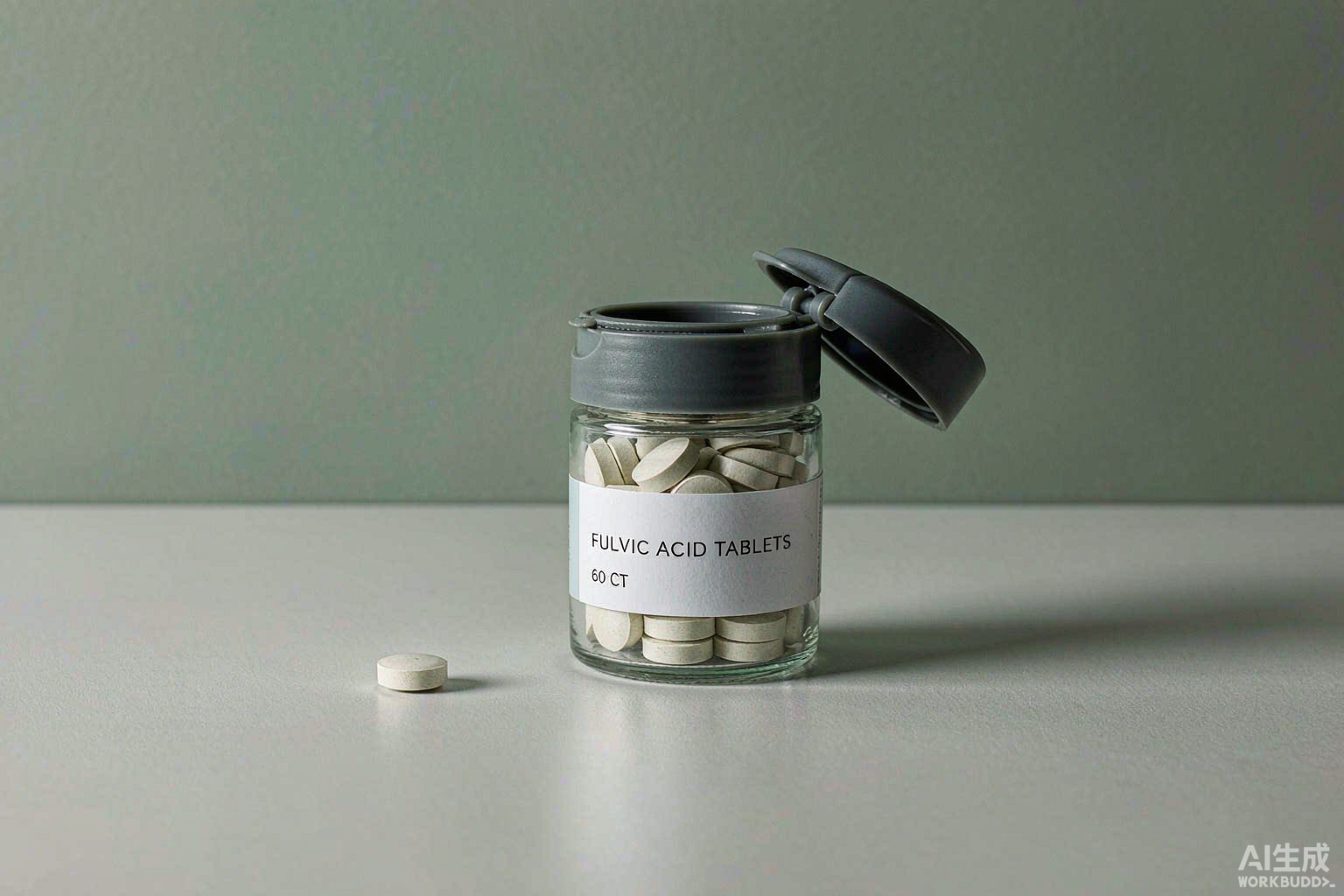
- Humic/fulvic substances and other organic acids
- Amino acids, seaweed extracts, and plant extracts
- Beneficial microbes (Rhizobia, Trichoderma, mycorrhizae)
- Biostimulants and plant growth regulators
- Nano-formulations designed for targeted delivery
So, functional fertilizers are not a single magical ingredient but a design philosophy: blend nutrition with function to make inputs do more, waste less, and help plants weather life’s weather.
Why bother? The big advantages
If you like saving money, water, and having happier plants, functional fertilizers can be appealing. Key advantages include:
Greater nutrient use efficiency: Less fertilizer lost to leaching, volatilization, or immobilization.
Timed delivery: Controlled-release products match nutrient availability to crop demand.
Micronutrient availability: Chelates or fulvic complexes keep Fe, Zn, Mn, etc., in soluble form.
- Stress mitigation: Biostimulants can improve drought tolerance, cold hardiness, and recovery from pests.
- Soil health benefits: Organic components and microbes can improve structure, aggregate stability, and biological activity.
- Reduced environmental impact: Fewer nutrient losses mean less downstream pollution.
All good — but there’s a “but.” These benefits depend heavily on choosing the right product, using it at the right time, and integrating it into an overall management plan.
Before you buy: the diagnostic checklist
Imagine trying to prescribe vitamins without testing whether your patient is deficient. That’s what happens when growers pour functional fertilizer on well-fed crops and expect fireworks. Instead:
Test your soil. Get a recent soil analysis that includes pH, organic matter, and micronutrients.
Consider tissue testing. For in-season corrections and precise nutrient status, leaf or petiole tests are better than guesswork.
Know the problem. Is your goal to fix a micronutrient deficiency? Reduce nitrogen loss? Boost seedling vigor in cold soils? Each aim requires a different product.
Start small. Pilot a product on a representative block before committing to full-field application.
Making a plan: match functions to needs
Functional fertilizers are tools; pick the right one for the job. Here are common aims and the typical functional features that help:
Reduce nitrogen losses (volatilization and leaching): Use nitrification or urease inhibitors, controlled-release coated urea, or slow-release formulas. Apply closer to demand periods.
- Improve micronutrient availability: Choose chelated or fulvic-complexed micronutrients, foliar applications for fast correction.
- Boost early vigor and rooting: Seed coatings or starter fertilizers with humic substances, amino acids, and microbe inoculants.
- Improve drought or heat tolerance: Biostimulants (seaweed extracts, amino acids) and soil organic amendments that improve moisture retention.
- Foster soil biology: Organic matter inputs, biofertilizers with beneficial microbes, and products that encourage microbial diversity.
- Application methods: where and how to deploy these products
Functional fertilizers are versatile. Common methods include:
Soil application/banding: For starter fertilizers and controlled-release products. Place near the seed or root zone but avoid contact burn with sensitive seedlings.
Foliar sprays: Excellent for micronutrient correction, rapid uptake of certain biostimulants, and quick stress relief. Best used when leaves are actively transpiring and when droplet coverage is good.
Seed treatment: Coating seeds with microbes, humic substances, or micronutrients can enhance germination and early growth — handy in cold or marginal soils.
Fertigation: Mixing functional fertilizers into drip or sprinkler systems for even distribution and precise timing.
In-furrow application: Often used for concentrated starter mixes; be cautious about salt-sensitive crops.
Granular side-dress: For controlled-release products timed to later growth stages.
Timing is everything
Even the fanciest fertilizer becomes a dusty paperweight if applied at the wrong time. Functional fertilizers work best when timed to crop phenology and environmental conditions:
- Starter phase: Use starter fertilizers, seed treatments, and root-promoting biostimulants at planting to boost vigor.
- Rapid vegetative growth: Apply nitrogen and associated functional products when the crop has high demand to avoid deficiency stress.
- Flowering and fruit set: Micronutrients and stress-mitigating biostimulants can protect yield-critical stages.
- Stress events: Foliar biostimulants and certain amino acid mixes can help plants recover from heat, drought, or flooding — think of them as post-trauma therapy for crops.
- Late-season quality: Some functional fertilizers improve grain filling, sugar accumulation, or shelf-life in horticultural crops.
- Dose and placement: be precise
There’s an old joke in fertilizer land: “Throw it in and hope for the best.” Don’t be that person.
Dosage matters:
Follow label rates and use rates from reputable trials. More is rarely better with biostimulants or micronutrients.
Use split applications for high-demand nutrients (like N) to match uptake curves and reduce losses.
Place starter fertilizers safely: many young seedlings are salt-sensitive. Banding behind the seed or at lower N rates avoids germination issues.
Calibrate application equipment. A precise spreader or drench system is worth its weight in compost when you’re dealing with concentrated products.
Compatibility: do the jar test and read labels
Many functional fertilizers play well with others, but not all combinations are safe.
- Before mixing: Read product labels for compatibility and pH sensitivity.
- Do a jar test: mix small proportions of the intended tank mix in a clear jar to look for precipitation, flocculation, or pH shifts.
- Consider sequence: some fertilizers react when combined; applying certain products separately in sequence can avoid bad chemistry.
- Watch surfactants and oils: humic-rich products can emulsify, and some organics can interfere with pesticides.
Monitoring and measuring success
How will you know the product worked? Keep it scientific:
- Yield data: Your ultimate metric is yield and quality. Use yield maps or weigh harvested samples.
- Tissue tests and chlorophyll meters: Detect nutritional status changes mid-season.
- Soil tests: Measure changes in available nutrients and pH over seasons.
- Visual assessments: Root development, greening, and stress symptoms give quick clues — but view them alongside data.
- Economic analysis: Account for product cost, application cost, and yield response. A small percentage yield increase might still be profitable if costs are low; conversely, a big fancy product might not pay off.
- Quality and sourcing: not all functional fertilizers are created equal
The market buzz is loud. Quality matters.
Know the source. Is the fertilizer derived from leonardite, compost, plant extracts, or synthetic chemistry? Each source behaves differently.
Look for certificates of analysis and independent trials, especially for microbial and bio-based products.
Beware of vague claims: “Stimulates growth” is marketing; look for specific modes of action established in trials.
Storage and shelf life: Some biofertilizers and biostimulants lose potency if stored improperly. Keep them cool and sealed.
Environmental and regulatory considerations
Functional fertilizers can reduce environmental harm when used correctly, but watch for caveats:
Reduced losses: Inhibitors and controlled-release products can decrease nitrate leaching and ammonia volatilization.
Avoid contaminant mobilization: Organic acids can increase metal mobility in contaminated soils; test before applying.
Microbial products: Follow regulations for live organisms. Use certified strains and keep records in case of audits.
Regulations vary by country. Check local laws for biostimulant and fertilizer definitions and allowed claims.
Troubleshooting common problems
- No apparent benefit: Maybe you didn’t have a problem to fix. Run control plots and tissue tests next season.
- Phytotoxicity after foliar application: Check concentration and avoid spraying in hot sun or on stressed plants.
- Incompatibility in tank mixes: Do the jar test. If unsure, apply products separately.
- Microbe product failure: Check storage history, carrier quality, and application timing — many microbes need close contact with roots and specific soil conditions to establish.
- Cost and ROI: the pragmatic farm economics
Functional fertilizers can be more expensive per kilogram than plain NPK, but they often replace multiple inputs or increase efficiency:
- Calculate net benefit: increased yield value minus product and application costs.
- Consider risk reduction: Lower crop failure risk in stressed conditions can have significant value beyond marginal yield gains.
- Trial for your system: local soil, climate, and crop interact with products differently. A product that sings in one region may hum in another.
Common myths busted (because the internet is full of them)
Myth: “Functional fertilizers always increase yield.” Reality: They help in the right contexts; they’re not miracle potions.
Myth: “More is better.” Reality: Overapplication wastes money and can cause harm.
Myth: “All fulvic/humic products are the same.” Reality: Composition varies widely; source and extraction matter.
Myth: “Microbes in a bag will fix everything.” Reality: Microbial products need proper conditions to establish and compete.
Future trends: what to watch
Precision delivery: Drones and variable-rate technology will allow site-specific application of functional fertilizers.
Product refinement: Better fractionation and characterization of humic/fulvic components, more specific microbial consortia tailored to crops.
Digital integration: Sensors and decision-support tools will suggest when and where to apply functional products.
Certification and regulation: Expect clearer frameworks for biostimulant claims and standards — the market will mature.
A short, practical checklist for an effective program
Get a soil test and tissue test baseline.
Define your goal: yield, stress mitigation, micronutrient correction, soil health.
Choose products with proven trials and clear specs.
Pilot on a small plot with proper controls.
Time applications to crop phenology and environmental conditions.
Use recommended rates, split applications, and safe placement.
Do jar tests and read labels for compatibility.
Monitor with yield, tissue tests, and visual scoring.
Keep records and calculate ROI.
Final word: be curious, not gullible
Functional fertilizers are exciting because they let us be more surgical about plant nutrition and ecosystem management. They’re like upgrading from a hammer to a set of precision tools — handy, efficient, and occasionally life-changing. But remember: tools are only as good as the hands using them. Pair these products with good soil testing, thoughtful timing, and a willingness to experiment (small-scale and documented), and you’ll be that enviable grower whose crops look healthy and whose ledger looks happier.
And if you’re ever tempted by packaging that promises “instant super-growth” or “miracle microbes,” imagine this: would you take a mysterious tonic labeled “Plant Awesomeness — Just Add Water” before a job interview? Probably not. Be skeptical, be scientific, and when in doubt, run a plot trial. Your crops — and your wallet — will thank you.
Interested in JINGFENG’s humic and fulvic acid products? Explore our full range of high-quality biostimulants and organic fertilizers.





Leave a Comment
Your email address will not be published. Required fields are marked *