





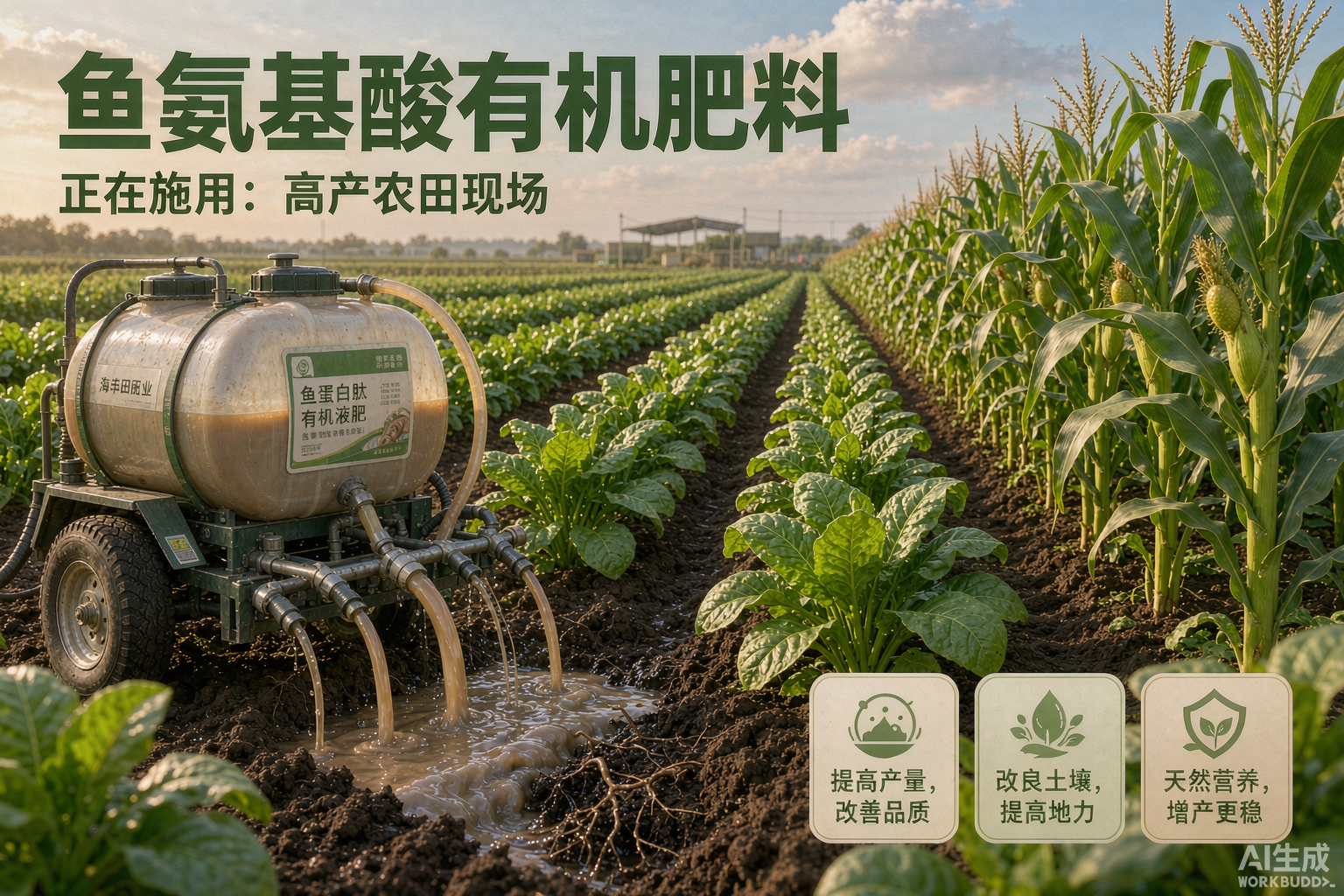
Amid the global transition of agriculture towards “green, efficient, and sustainable” practices, farmers are increasingly demanding agricultural input products that balance nutrient supply with ecological friendliness. As an organic fertilizer derived from natural marine resources, fish amino acid fertilizer has gradually become a “new favorite” in the agricultural input market, thanks to its rich nutritional components, high absorption efficiency, and significant ability to improve crop quality. As an enterprise specializing in the export of humic acid, amino acids, seaweed extract, and EDDHA chelated trace elements, we have over a decade of experience in the agricultural input industry. Today, we will use scientific data, industry standards, and practical cases to fully unveil the mysteries of fish amino acid fertilizer and address common questions you may have during selection and application.
I. What is Fish Amino Acid Fertilizer? The Transformation from “Marine Waste” to “Golden Nutrition for Crops”
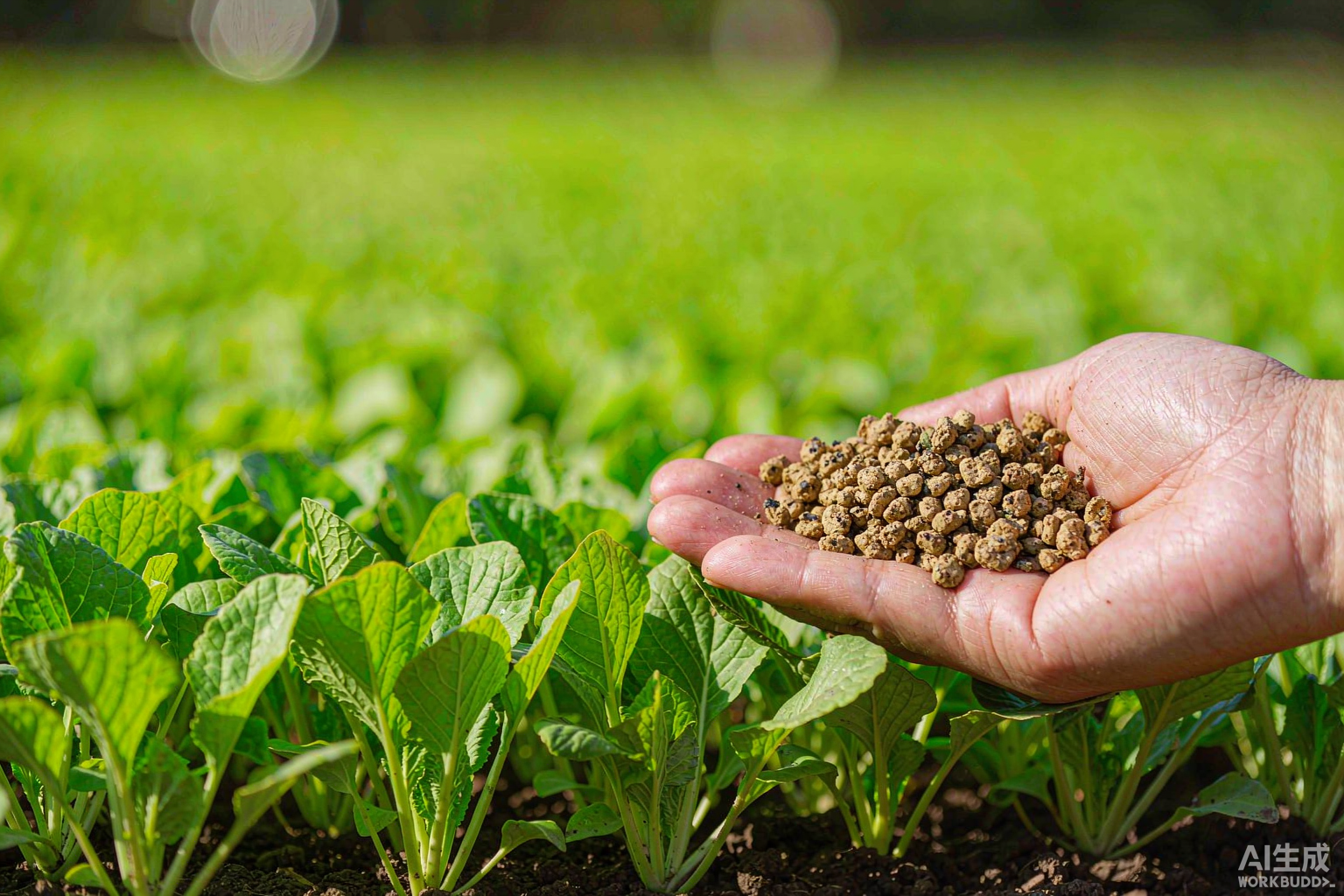
Fish amino acid fertilizer is a new type of organic fertilizer produced using fresh marine fish (such as sardines and mackerel) or fishery processing by-products (fish offal, fish bones, fish skin, etc.) as raw materials. Through processes like biological enzymatic hydrolysis, fermentation, or chemical hydrolysis, the proteins in these raw materials are extracted and decomposed into small-molecule amino acids (e.g., glycine, proline, glutamic acid). Meanwhile, it retains natural vitamins, minerals (calcium, phosphorus, potassium), unsaturated fatty acids, and bioactive substances (such as cytokinin analogs) inherent in fish.
According to the Organic Fertilizer industry standard (NY 525-2021) issued by the Ministry of Agriculture and Rural Affairs of China and relevant regulations for organic agricultural inputs, high-quality fish amino acid fertilizer must meet the core indicators of free amino acid content ≥ 100g/L, organic matter content ≥ 300g/L, and pH value 4.5-7.5. Additionally, the contents of heavy metals (lead ≤ 10mg/kg, cadmium ≤ 1mg/kg) and harmful microorganisms (fecal coliform count ≤ 100 CFU/g, ascaris egg mortality ≥ 95%) must comply with safety limits. Compared with traditional amino acid fertilizers (e.g., plant-sourced soybean amino acid fertilizer, animal-sourced feather amino acid fertilizer), fish amino acid fertilizer has a unique advantage: it contains a higher proportion of essential amino acids, which are more aligned with the nutritional needs of crops. Moreover, it is rich in special bioactive substances from marine sources, enabling it to achieve the dual effects of “nutrient supplementation” and “physiological regulation”.
From an industrial environmental protection perspective, the production process of fish amino acid fertilizer aligns with the concept of “circular economy”. Fishery processing by-products (such as fish bones and fish skin) can cause environmental pollution if randomly discarded. However, converting them into fish amino acid fertilizer through processing not only realizes the resource utilization of waste but also provides green nutrients for agriculture, making it a typical model of coordinated development between the marine industry and agriculture.
II. The Scientific Principle of Fish Amino Acid Fertilizer: Why It Becomes an “Accelerator for Crop Growth”?
To understand the excellent efficacy of fish amino acid fertilizer, we need to examine its mechanism of action. Based on long-term research and field practices by agricultural research institutions at home and abroad, its core functions can be summarized in three dimensions:
1. Direct Nutrient Supply: Enabling Crops to “Absorb Nutrients Quickly and Well”
Amino acids are the basic units of crop proteins. The amino acids in fish amino acid fertilizer exist in the form of small-molecule free amino acids, which can be directly absorbed and utilized by crop roots or leaves without undergoing transformation. This characteristic makes its absorption efficiency much higher than that of traditional nitrogen fertilizers (such as urea). Urea needs to be decomposed into ammonium nitrogen or nitrate nitrogen by microorganisms in the soil before it can be absorbed, while the absorption efficiency of fish amino acid is 3-5 times that of urea.
In practical planting, leaf nutrient testing after spraying fish amino acid fertilizer on tomatoes shows that the amino acid content in leaves increases significantly within 2 hours, and the absorption rate exceeds 85% within 48 hours, which is significantly higher than that of soybean amino acid fertilizer. In addition, fish amino acid is rich in essential amino acids (such as lysine and methionine) that crops cannot synthesize on their own and must obtain from external sources: Lysine can promote the elongation of crop pollen tubes, reduce flower and fruit drop, and improve the fruit set rate; Methionine can participate in chlorophyll synthesis and enhance the intensity of photosynthesis. In rice cultivation, applying fish amino acid fertilizer as a base fertilizer can increase the lysine content in rice grains by 12%-15% and the 1000-grain weight by 2-3g, directly promoting yield increase.
2. Physiological Regulation: Enhancing Crop “Stress Resistance” and “Immunity”
In addition to amino acids, fish amino acid fertilizer contains natural bioactive substances from fish, such as betaine, taurine, and cytokinin analogs. These substances can significantly enhance crop stress resistance and immunity by regulating crop physiological metabolism processes:
- Cold and Drought Resistance: Betaine can form an “osmotic protectant” in crop cells, reducing cell water loss under low-temperature or drought conditions and maintaining normal cell physiological functions. In northern grape-growing areas, spraying fish amino acid solution after winter pruning can reduce the frost damage rate of grape branches by 25%-30% and increase the spring germination rate by more than 15%.
- Disease and Pest Resistance: Taurine can induce crops to produce phytoalexins (such as flavonoids and terpenoids), which can inhibit the growth of pathogenic bacteria and enhance crop resistance to diseases. In strawberry cultivation, regular application of fish amino acid fertilizer through fertigation can reduce the incidence of gray mold by 18%-22% and decrease the number of piercing-sucking pests such as aphids.
- Root Promotion and Seedling Strengthening: Cytokinin analogs in fish amino acid can stimulate the activity of root meristem, promoting the germination of lateral roots and the growth of root hairs. Soaking tomato seeds in fish amino acid solution during the seedling stage can increase the fresh weight of roots by 40%-50% and shorten the seedling establishment time by 2-3 days after transplanting, laying a solid foundation for subsequent growth.
3. Soil Improvement: Building a “Healthy Soil Microecosystem”
Unlike chemical fertilizers, which can easily lead to soil compaction and decreased microbial activity with long-term use, fish amino acid fertilizer can continuously improve the soil environment while providing nutrients to crops. On one hand, the organic matter it contains can serve as a “food source” for soil microorganisms, promoting the reproduction of beneficial microorganisms (such as Bacillus subtilis and actinomycetes) and increasing soil enzyme activity. In soil where fish amino acid fertilizer has been applied continuously for 2 years, urease activity can increase by 35%-40%. Urease can accelerate the transformation of nitrogen in the soil and improve nitrogen use efficiency. On the other hand, the carboxyl and amino groups in amino acid molecules can combine with cations on the surface of soil particles, promoting the formation of soil aggregate structure, reducing the risk of soil compaction, and increasing soil aeration, thereby creating a loose and well-aerated environment for root growth.
III. Application Scenarios of Fish Amino Acid Fertilizer: How to Use It for Different Crops and Growth Stages?
Fish amino acid fertilizer has a wide range of applications and is suitable for field crops (rice, wheat, corn), cash crops (vegetables, fruits, flowers), and Chinese medicinal materials. Its effects vary depending on the crop growth stage. Based on our export experience covering more than 20 countries in Southeast Asia, Europe, and Africa, the following are targeted application plans:
1. Field Crops: Focus on “Yield Increase and Stress Resistance”
- Rice: Soak seeds in 500x diluted fish amino acid solution for 12 hours before sowing to break seed dormancy and increase the germination rate by 10%-15%. Apply 5kg of undiluted fertilizer per mu through fertigation once at the tillering stage and once at the filling stage. This can increase the number of effective tillers, reduce empty grains, and increase the actual yield by 8%-12% (data from farmer feedback in major rice-producing areas such as Thailand and Vietnam).
- Wheat: Spray 800x diluted fish amino acid solution on the leaves at the regreening stage to promote the rapid recovery of wheat seedlings, enhance stem toughness, and reduce the risk of lodging in the later stage. Spray again at the flowering stage to improve pollen viability, increase the seed-setting rate, and improve wheat quality by increasing the protein content by 1-1.5 percentage points.
2. Cash Crops: Focus on “Quality and Marketability”
- Tomatoes: Apply 500x diluted fish amino acid solution through fertigation at the seedling stage to promote root development and cultivate strong seedlings. From the flowering stage to the fruit expansion stage, spray 600x diluted solution on the leaves every 10 days. This can increase fruit firmness, extend the shelf life, and increase the lycopene content (laboratory tests show an increase of 10%-15%).
- Citrus: Apply 8kg of undiluted fertilizer per mu through fertigation once at the autumn shoot stage and once at the fruit expansion stage to promote the lignification of autumn shoots, enhance tree vigor, and reduce fruit cracking and drop. Spray 700x diluted solution on the leaves at the color transition stage to accelerate fruit coloration, ensure uniform coloring, and increase the sugar content by 0.8-1.2 units (data from tests in major domestic citrus-producing areas).
- Strawberries: Apply 500x diluted solution through fertigation 7 days after transplanting to promote seedling establishment and reduce seedling death. From the flowering stage to the fruit-setting stage, spray 600x diluted solution every 2 weeks to increase single fruit weight, reduce the proportion of malformed fruits, and improve strawberry flavor (the soluble solid content increases by 1.5%-2%).
3. Special Scenarios: Saline-Alkali Soil Improvement and Continuous Cropping Obstacle Remediation
In saline-alkali soil cultivation, the amino acids in fish amino acid fertilizer can combine with sodium ions in the soil through ion exchange, reducing soil electrical conductivity and alleviating the damage of saline-alkali stress to crops. For example, in cotton-growing areas in Xinjiang, applying fish amino acid fertilizer (10kg per mu) as a base fertilizer combined with humic acid can reduce the soil pH value from 8.5 to 7.8-8.0, increase the cotton emergence rate by 20%-25%, and increase the yield per unit area by 10%-12% (practical data from local agricultural technology promotion departments in Xinjiang).
For greenhouses with severe continuous cropping obstacles (e.g., cucumbers and tomatoes continuously cropped for more than 5 years), applying fish amino acid fertilizer 2-3 times a year can improve the soil microbial community structure, inhibit the reproduction of harmful pathogenic bacteria, and reduce the incidence of soil-borne diseases (such as fusarium wilt and root rot). Tests show that the seedling death rate of continuously cropped cucumbers can be reduced from 30% to below 8%.
IV. Answers to Common Customer Questions: A “Guide to Avoid Pitfalls” in Selection and Application
As an export enterprise, we have collected a large number of questions about fish amino acid fertilizer during communication with global customers. The following are answers to the 8 most common questions based on industry standards and practical experience:
Q1: How to Identify High-Quality Fish Amino Acid Fertilizer and Avoid Buying “Fake” or “Inferior” Products?
A: You can judge by “looking, testing, and checking”:
- Looking at Ingredients: The packaging should clearly indicate the “free amino acid content” (≥100g/L is qualified, ≥150g/L is high-quality), “raw material source” (priority should be given to “fresh marine fish” rather than “fish meal by-products”), and the content limits of heavy metals and harmful microorganisms.
- Testing Properties: High-quality undiluted fish amino acid fertilizer should be a light brown to dark brown liquid with a faint fishy smell (no pungent odor or strange smell), a pH value of 4.5-7.5 (which can be tested with ordinary pH test paper), and no obvious stratification or precipitation after standing.
- Checking Certifications: Export products must comply with the relevant standards of the target market (such as EU EC 889/2008 for organic agricultural inputs, US OMRI organic certification), and products sold domestically must have a fertilizer registration certificate (or filing certificate) issued by the Ministry of Agriculture and Rural Affairs of China.
Q2: Can Fish Amino Acid Fertilizer Be Mixed with Other Fertilizers (Such as Humic Acid, Seaweed Extract, and EDDHA)?
A: Yes, it can, and “synergistic effects” can be achieved:
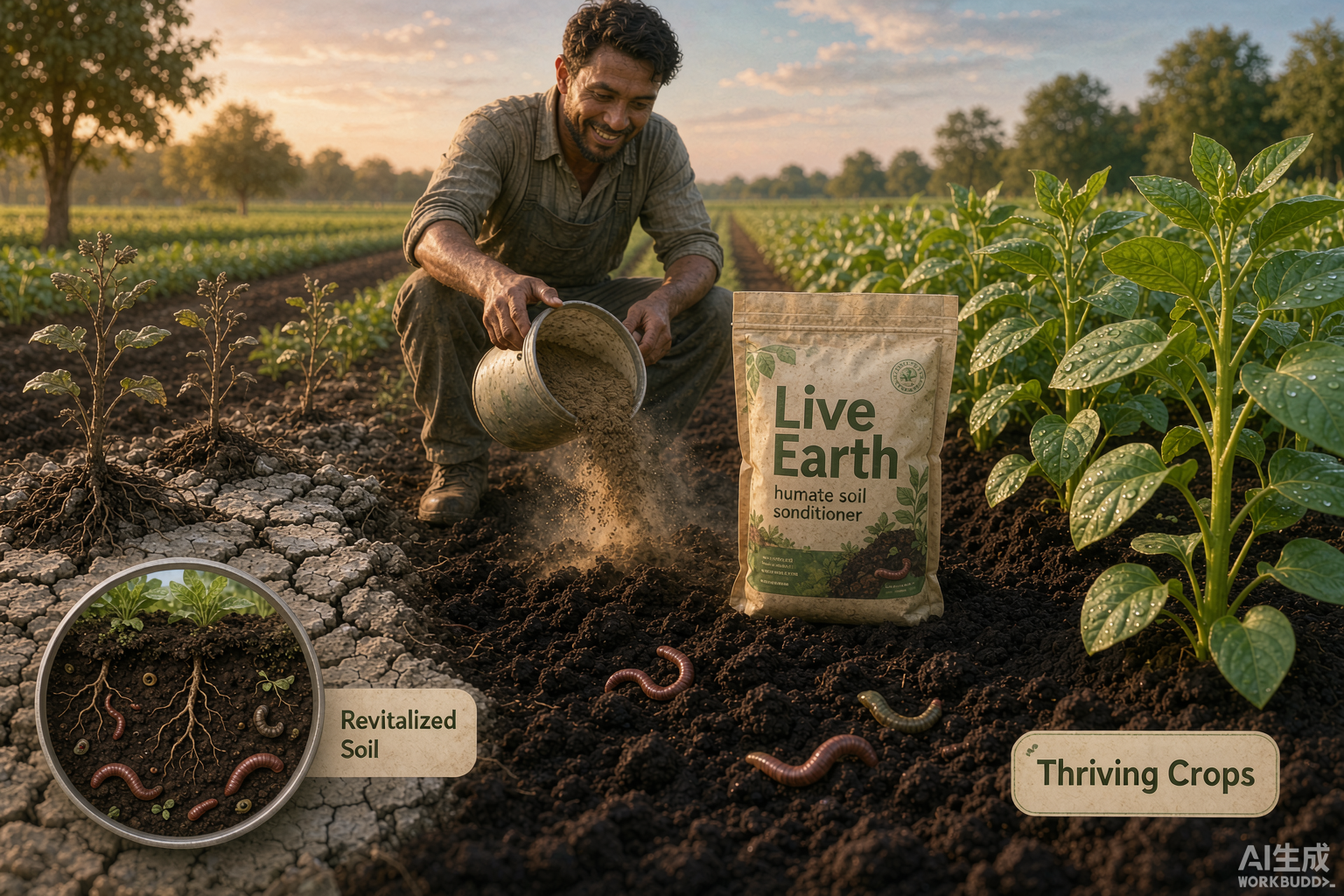
- Mixing with Humic Acid: Humic acid can enhance the adsorption capacity of soil colloids, extend the fertilizer effect duration of fish amino acid, and is especially suitable for soil with compaction and poor fertilizer retention capacity.
- Mixing with Seaweed Extract: Cytokinins and auxins in seaweed extract complement the amino acids in fish amino acid, significantly enhancing crop stress resistance (such as cold resistance, drought resistance, and disease and pest resistance).
- Mixing with EDDHA Chelated Iron: It can effectively solve the problem of iron deficiency-induced yellowing in crops grown in alkaline soil, and is especially suitable for crops sensitive to iron, such as citrus, strawberries, and blueberries.
Note: Avoid mixing with strongly alkaline fertilizers (such as quicklime and ammonium bicarbonate) to prevent damage to the amino acid structure and reduction of fertilizer efficiency.
Q3: Is the More Fish Amino Acid Fertilizer Used, the Better? What Problems Will Arise from Excessive Use?
A: No, more is not better. Excessive use will lead to three major problems:
- Increased Cost: The unit price of fish amino acid fertilizer is higher than that of ordinary chemical fertilizers. Excessive use will increase the planting cost and reduce economic benefits.
- Soil Salt Accumulation: Long-term excessive application may increase the soil EC value, affecting root water and nutrient absorption and causing physiological drought in crops.
- Crop Overgrowth: Especially excessive use at the seedling stage can easily lead to excessive growth of branches and leaves, thin stems, and reduced lodging resistance and disease and pest resistance.
Recommendation: Strictly follow the recommended dosage. Generally, the dosage of undiluted fertilizer per mu per application is 3-5kg for field crops and 5-8kg for cash crops. Specific adjustments can be made according to soil fertility and crop growth conditions.
Q4: Do the Application Methods of Fish Amino Acid Fertilizer Need to Be Adjusted Under Different Climatic Conditions (Such as High Temperature and Low Temperature)?
A: Yes, flexible adjustments should be made according to climatic conditions to ensure absorption effect:
- High-Temperature Season (≥30℃): Avoid spraying during direct sunlight at noon. Choose to spray before 9 a.m. or after 5 p.m. The dilution ratio can be appropriately increased (e.g., from 600x to 800x) to prevent rapid evaporation of the solution due to high temperature and leaf burn.
- Low-Temperature Season (≤15℃): The absorption efficiency of foliar spraying decreases. It is recommended to use fertigation or base application. If foliar spraying is necessary, the solution can be diluted with warm water (20-25℃), and spraying should be carried out at noon when the temperature is relatively high to promote crop absorption.
Q5: Is Fish Amino Acid Fertilizer Suitable for Organic Agricultural Cultivation? Can It Replace Chemical Fertilizers?
A: It is suitable, but cannot completely replace chemical fertilizers:
- Organic Agriculture: Fish amino acid fertilizer meets the requirements for organic agricultural inputs (such as EU organic certification, China GB/T 19630-2021 Requirements for Organic Products – Production, Processing, Labeling, and Management Systems), and can be used in organic crop production.
- Replacement Issue: Its core advantage lies in “nutrient supplementation + physiological regulation”, but its content of macronutrients such as nitrogen, phosphorus, and potassium is relatively low (usually N+P₂O₅+K₂O ≤ 10%), which cannot meet the macronutrient needs of crops throughout the growth period. It needs to be used in combination with organic fertilizers (such as compost and sheep manure fertilizer) or low-concentration chemical fertilizers to achieve balanced nutrient supply.
Q6: What Is the Effect of Using Fish Amino Acid Fertilizer on Fruit Trees After Fruit Harvest?
A: The post-harvest period is the “nutrient recovery stage” of fruit trees, and using fish amino acid fertilizer at this time has a significant effect:
- Supplementing Nutrients: It supplements the nutrients consumed during fruit harvest, promotes the rapid recovery of tree vigor, and reduces leaf drop.
- Enhancing Photosynthesis: It improves the photosynthetic efficiency of leaves, increases nutrient accumulation in the tree, and reserves nutrients for flower bud differentiation in the next year.
- Improving Cold Resistance: It enhances the cold resistance of fruit trees and reduces the damage of low winter temperatures to branches and roots.
Application Method: Spray 600x diluted fish amino acid solution on the leaves within 7-10 days after fruit harvest, and combine with one application through fertigation (8kg of undiluted fertilizer per mu) for better results.
Q7: How to Use Fish Amino Acid Fertilizer on Ornamental Plants Such as Succulents and Flowers?
A: Using it on ornamental plants can improve their growth and ornamental value:
- Succulents: Spray 1000x diluted solution every 2-3 weeks during the growing season (spring and autumn) to promote plump and thick leaves, reduce excessive growth, and enhance coloration.
- Flowers (Such as Roses, Lilies, and Chinese Roses): Spray 800x diluted solution 2 weeks before the flowering period to increase the number of flower buds, extend the flowering period, make the flower color more vivid, and the petals thicker.
Q8: What Is the General Shelf Life of Fish Amino Acid Fertilizer? What Should Be Noted During Storage?
A: The shelf life of unopened products is usually 2 years under proper storage conditions (specifically subject to the labeling on the packaging). Once opened, it is recommended to use it up within 1 month. Three points should be noted during storage:
- Sealed Storage: Tighten the bottle cap in time after opening to prevent the volatilization of active ingredients and microbial contamination.
- Avoid Light and Low Temperature: Store in a cool and dry place, avoiding direct sunlight and high-temperature environments (high temperatures can easily cause the solution to deteriorate).
- Anti-Freezing Treatment: In low-temperature areas, anti-freezing measures should be taken in winter. If freezing occurs accidentally, fully stir the solution after thawing. It can continue to be used if there is no peculiar smell or stratification.
- Safety Warning: Although it is an organic fertilizer, it is not edible and should be kept away from children and pets to avoid accidental ingestion.
V. Market Prospects of Fish Amino Acid Fertilizer and Company Advantages: Why Choose to Cooperate with Us?
With the continuous expansion of global organic agricultural areas (according to statistics from the Food and Agriculture Organization of the United Nations (FAO), the global organic agricultural area reached 72.3 million hectares in 2022, with an annual growth rate of 8%), fish amino acid fertilizer, as a core input for organic agriculture, has a growing market demand. As an enterprise specializing in agricultural input exports, our fish amino acid fertilizer has three core advantages:
1. Raw Material and Process Advantages: Ensuring Quality from the Source
- Raw Material Control: We use fresh sardines from the North Pacific (with a protein content ≥ 18%) as raw materials and have established a raw material traceability system, refusing to use inferior raw materials such as spoiled fish and fish meal by-products.
- Advanced Technology: We adopt the “low-temperature enzymatic hydrolysis + low-temperature concentration” process (with the entire process temperature ≤ 50℃), which maximizes the retention of amino acid activity and bioactive substances. The free amino acid content of our products reaches 180g/L, far exceeding the industry’s qualified standards, and there is no chemical residue.
2. Synergy of Full-Series Products: Providing “One-Stop Solutions” for Customers
In addition to fish amino acid fertilizer, we can also customize exclusive fertilization plans by matching our humic acid, seaweed extract, and EDDHA chelated trace element products according to the soil conditions, crop types, and planting needs of the customer’s region:
- For Tropical Fruits in Southeast Asia (Such as Durian and Mangosteen): Fish amino acid fertilizer + seaweed extract + EDDHA chelated manganese to improve fruit sweetness and disease resistance, and reduce diseases in high-temperature and high-humidity environments.
- For Greenhouse Vegetables in Europe (Such as Tomatoes and Cucumbers): Fish amino acid fertilizer + humic acid + EDDHA chelated iron to improve soil structure, reduce continuous cropping obstacles, and meet organic planting standards.
- For Arid Areas in Africa (Such as Cotton and Corn): Fish amino acid fertilizer + humic acid to enhance soil water and fertilizer retention capacity and improve crop drought resistance.
3. Global Compliance and Technical Support: Enabling Customers to “Export with Confidence and Use Easily”
- Compliance Certifications: Our products have obtained major global organic certifications such as EU EC, US OMRI, and Japan JAS. At the same time, they comply with the pesticide residue and heavy metal limit standards of the target market and can be smoothly exported to more than 100 countries and regions.
- Technical Services: We have a professional agronomist team of 10 people, which can provide customers with field test guidance, customized fertilization plans, and nutrient deficiency diagnosis services. We respond to problems encountered by customers during use within 24 hours to ensure that the products exert their best effects.
VI. Conclusion: Empowering Green Agriculture with Scientific Strength
The transformation of fish amino acid fertilizer from “marine waste” to “golden nutrition for agriculture” is not only an innovation in agricultural input products but also a practice of the concept of sustainable agricultural development. As an agricultural input export enterprise, we have always believed that only products based on scientific principles, in line with ecological needs, and verified by practice can truly help farmers achieve the goals of “increasing yield, improving quality, and increasing income”.
If you have further questions about fish amino acid fertilizer (such as application plans for specific crops, compliance requirements of the target market) or need sample testing and field test support, please feel free to contact our team. We are willing to work with global customers to promote the green development of agriculture and create a better future with our professional products and services!
(注:文档部分内容可能由 AI 生成)
Interested in JINGFENG’s amino acid products? Explore our full range of high-quality biostimulants and organic fertilizers.
Leave a Comment
Your email address will not be published. Required fields are marked *