






Disclaimer: This article is for general informational purposes only and reflects traditional use and user-reported experiences. JINGFENG’s humic and fulvic acid products are dietary supplements and are not intended to diagnose, treat, cure, or prevent any disease. Individual results may vary. Consult a qualified healthcare professional before use.
Here’s a clear, evidence-based breakdown of fulvic acid foot baths and fulvic acid for detoxification, including what’s supported, what’s anecdotal, and what’s overhyped.
Fulvic Acid Foot Baths – What People Claim vs. Reality
Common claims for fulvic acid foot baths:
- Pulls heavy metals and toxins out through the feet
- Reduces inflammation and joint pain
- Improves energy and sleep
- Balances pH and boosts mineral absorption
- Detoxifies the body
What actually happens in most “ionic” or “fulvic acid” foot baths:
The water usually changes color (brown, orange, black foam) dramatically, which is marketed as “toxins being pulled out.”
Reality check:
- The color change almost always happens even when no feet are in the tub — it’s caused by electrolysis of the metal electrodes reacting with salt or minerals added to the water (including fulvic acid solutions).
- Multiple independent tests (including by the FTC and consumer labs) have shown that the water composition before/after is virtually identical whether feet are present or not.
- Very little (if any) fulvic acid actually penetrates the thick skin of the feet in a 30-minute soak. The stratum corneum is an excellent barrier.
Verdict on foot baths:
There is no credible scientific evidence that fulvic acid foot baths detoxify the body or remove heavy metals in any meaningful way. Any benefits (rare) reported benefits are almost certainly placebo or from the warm water relaxation itself.
Fulvic Acid for Detoxification (Oral or Topical Use)
This is where fulvic acid has more plausible mechanisms, although the evidence is still mostly preliminary or anecdotal.
Potential benefits supported by early research or plausible mechanisms:
1. Heavy-metal chelation (in the gut)
– Fulvic acid can bind to heavy metals (lead, cadmium, aluminum, mercury) in the digestive tract and increase their excretion in feces.
– Animal studies and a few small human studies show reduced absorption or increased elimination when taken with or after metal exposure.
– Example: A 2018 study showed shilajit (high in fulvic acid) reduced aluminum toxicity markers in rats.
2. Antioxidant and anti-inflammatory effects
– Fulvic acid is a potent antioxidant in vitro and reduces inflammatory markers in some animal models.
– May help reduce systemic inflammation, which is indirectly supportive of the body’s own detox pathways.
3. Gut microbiome support
– Acts as a prebiotic in some studies and may improve gut barrier function → better natural detoxification via liver and kidneys.
4. Improved mineral absorption
– Fulvic acid can make minerals more bioavailable, which can indirectly support detox enzymes (e.g., zinc and selenium for glutathione production).
Human evidence so far:
- Very limited. Most studies are on shilajit (which is ~15–20% fulvic acid + hundreds of other compounds), not isolated fulvic acid.
- A few small 2011 pilot study on shilajit showed increased testosterone and DHEA, but nothing on detox.
- No large, well-controlled trials specifically on fulvic acid for heavy-metal detox in humans.
Safety notes:
- Generally well-tolerated when sourced from reputable suppliers.
- Poorly sourced fulvic acid can contain heavy metals or contaminants (ironic for a “detox” product).
- Can interfere with some medications (chelating properties).
Bottom Line
| Claim | Evidence Level | Verdict |
| Fulvic acid foot baths detox you | None | Marketing myth — color change is electrolysis, not toxins leaving body |
| Oral fulvic acid helps detox | Low–moderate (animal + mechanistic) | Plausible for binding metals in the gut; human data very limited |
| Reduces inflammation / oxidative stress | Moderate (in vitro + animal) | Likely helpful, but not miraculous |
| Major systemic heavy-metal chelation | Weak | Unlikely in significant amounts unless very high doses and chronic use |
If you want to experiment with fulvic acid for possible detox support, taking it orally (liquid drops or capsules from a third-party tested brand) is far more rational than foot baths. But don’t expect dramatic “Herx reactions” or miracle detox — the body’s liver, kidneys, and gut already do 99% of the work when supported with a good diet, hydration, and sweat (sauna/exercise).
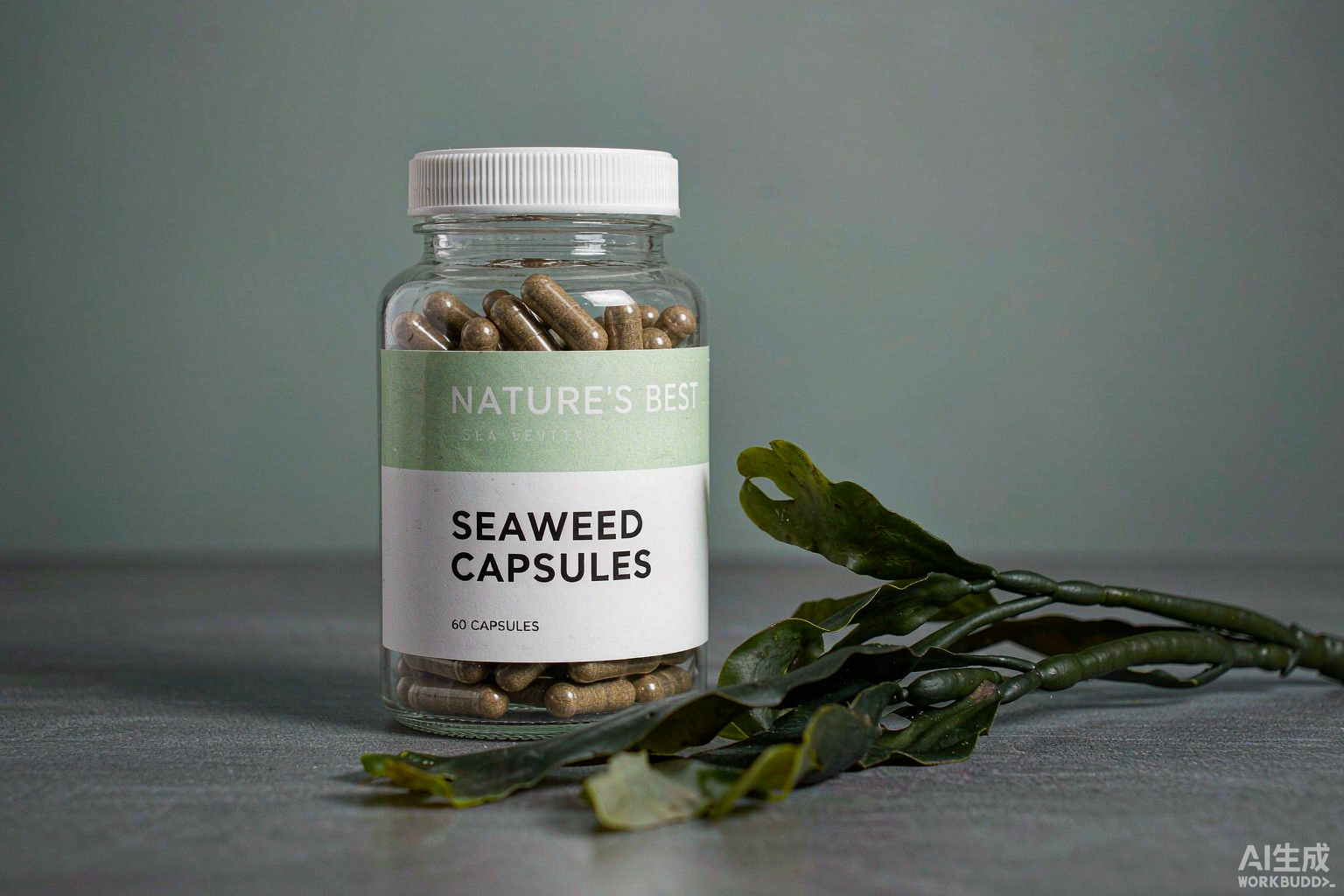
fulvic acid capsule and other type
Here’s a practical guide to the different forms of fulvic acid supplements available in 2025, including capsules, with pros, cons, typical dosages, and which ones are actually worth considering.
| Form | What It Actually Is | Pros | Cons | Best For | Typical Dose (Fulvic Acid Content) |
| Fulvic Acid Capsules | Usually fulvic acid powder (from shilajit or humic sources) in veggie capsules | Convenient, no taste, precise dosing, long shelf life | Often lower fulvic content is low (5–20%) | Daily mineral/antioxidant support | 100–300 mg fulvic acid/day |
| Shilajit Capsules/Resin | Purified shilajit resin (naturally 15–60% fulvic acid + 100s of minerals) | Highest natural fulvic content, most studied form | Strong taste (resin), some brands contaminated | Testosterone, energy, heavy metal detox | 200–500 mg shilajit (≈100–300 mg fulvic) |
| Fulvic Acid Liquid Drops | Concentrated fulvic acid solution (usually 2–8% fulvic in water) | Very high bioavailability, easy to adjust dose, can add to water | Slightly earthy taste, glass bottle can break | Gut health, daily detox support | 5–20 drops (50–400 mg fulvic) |
| Fulvic + Humic Blend Liquids | Mix of fulvic and humic acids (often marketed as “humic/fulvic mineral complex”) | Cheaper, broader spectrum of humic substances | Fulvic % often very low (<1%) | Budget option, plant-based minerals | 1–2 tsp (variable fulvic) |
| Ionic Fulvic Minerals (trace mineral drops) | Fulvic acid used as carrier for 70+ trace minerals | Good for re-mineralization after RO water or sweating | Fulvic content low, mostly marketing | Athletes, low-mineral diets | 10–40 drops |
| Fulvic Acid Powder | Pure or near-pure fulvic acid powder | Highest potency per gram | Bitter, hard to dose accurately | Advanced users only | 100–250 mg |
Top Recommended Products in 2025 (Third-Party Tested & High Fulvic)
| Product | Form | Approx. Fulvic Content | Notes |
| Optimally Organic Fulvic Ionic Minerals | Liquid drops | ~8% fulvic | Cleanest liquid, lab-tested, no heavy metals |
| PrimaVie® Shilajit (in many brands) | Capsules | 50–60% standardized | Clinically studied, used in human trials |
| Black Oxygen Organics (or similar clean shilajit) | Resin or capsules | 50%+ fulvic | Very potent, but only from trusted sources |
| Cymbiotika Shilajit | Resin drops | 60%+ fulvic | Expensive but extremely clean |
| Sunfood or Lost Empire Herbs Shilajit | Resin | 40–55% fulvic | Good middle-ground price/quality |
What to Avoid
- Any brand that won’t show a lab test (COA) for heavy metals (lead, arsenic, cadmium, mercury)
- “Fulvic acid foot bath powder” or detox pads — zero evidence
- Cheap Amazon liquids that are brown food coloring + citric acid (very common)
Realistic Daily Protocol (Most People)
- 200–300 mg actual fulvic acid per day (e.g., 500 mg good shilajit or 10–15 drops of a strong liquid)
- Take with or without food — doesn’t matter much
- Cycle 8–12 weeks on, 2–4 weeks off if using high doses long-term
Bottom line: Capsules are fine and convenient, but if you want the real benefits that the (limited) human studies show, go for a high-fulvic shilajit resin or a reputable liquid like Optimally Organic or Cymbiotika.
Interested in JINGFENG’s humic and fulvic acid products? Explore our full range of high-quality biostimulants and organic fertilizers.



Leave a Comment
Your email address will not be published. Required fields are marked *