





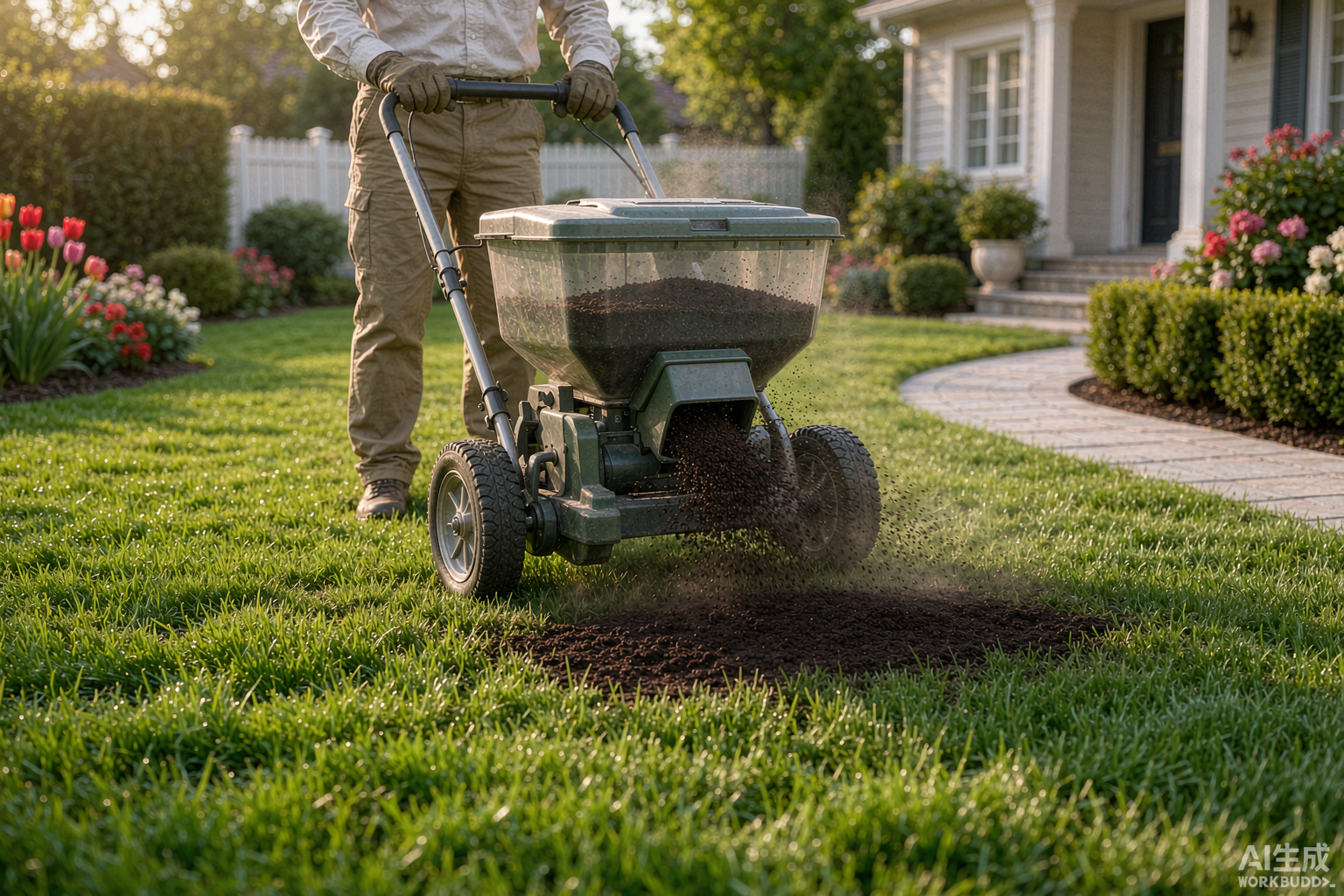
Introduction to Humate Lawn Conditioner
Humate lawn conditioners (also called humic acid products, humate fertilizers, or soil conditioners) are organic-based products derived from humic substances extracted from ancient deposits of decomposed plant matter, most commonly leonardite (a highly oxidized form of lignite coal).
Key components in most humate lawn conditioners:
- Humic acids (larger molecules, 1,000–100,000+ Da)
- Fulvic acids (smaller molecules, 500–2,000 Da)
- Humin (insoluble fraction)
These products are widely used on lawns, turf, gardens, and agricultural fields because they:
- Improve soil structure and aeration
- Increase cation exchange capacity (CEC)
- Enhance nutrient availability and uptake
- Stimulate beneficial microbial activity
- Boost drought tolerance and root development
- Buffer soil pH
- Help detoxify heavy metals and pesticides
Popular commercial examples:
- The Andersons Humic DG
- Lawnful Humate Soil Conditioner
- Simple Lawn Solutions Liquid Humic Acid
- N-Ext Humic12, etc.
They come in granular (e.g., Humic DG), liquid, or soluble powder forms and are typically applied 2–4 times per growing season.
What is the Flocculation of Humate Fertilizer?
Flocculation in the context of humate fertilizers refers to the ability of humic and fulvic acids to cause fine soil particles (especially clay colloids) to aggregate or “clump together” into larger, stable clusters called flocs.
Why this happens (mechanism):
1. High cation exchange capacity (CEC) – Humic substances have numerous negatively charged sites.
2. These sites attract and bind positively charged ions (cations) such as Ca²⁺, Mg²⁺, Al³⁺, Fe³⁺ that act as bridges between negatively charged clay particles.
3. The bridging causes dispersed clay particles (which normally repel each other) to come together and form larger aggregates → flocculation.
Visual effect in soil:
- Before: tight, compacted, dispersed clay → poor drainage, hardpan, crusting.
- After humate application: clay particles form loose, crumb-like aggregates → better aeration, water infiltration, and root penetration.
Key benefits of humate-induced flocculation:
- Dramatically improves soil structure in heavy clay soils
- Reduces soil compaction
- Increases water infiltration and reduces runoff
- Improves oxygen availability to roots
- Reduces erosion and surface crusting
- Creates a better environment for earthworms and microbes
Note: Flocculation is the opposite of dispersion.
- Dispersion → individual clay particles float apart (bad, causes sealing).
- Flocculation → particles stick together in porous clumps (good).
In sandy soils, humates still help by increasing water- and nutrient-holding capacity, but the dramatic visible effect of flocculation is most noticeable in clay or silt-heavy soils.
Summary
Humate lawn conditioners are powerful organic soil amendments that improve almost every aspect of soil health. One of their most important physical effects is flocculation: the binding together of clay particles into stable aggregates using calcium and other cations as bridges, leading to better soil structure, drainage, and root growth. This is why turf managers and homeowners often see greener, thicker lawns within weeks of the first humate application even before new fertilizer is added — the soil itself starts working better.
Yes, the flocculated material itself (i.e., the soil aggregates or “flocs” that form after applying humate) is water-insoluble.
Here’s the breakdown to make it crystal clear:
| Component | Water solubility | Role in flocculation |
| Clay particles | Insoluble | The actual soil particles that get bound together |
| Humic acids (most forms) | Mostly insoluble at low pH, partially soluble at high pH | Provide the negative charges and cation-binding sites |
| Fulvic acids | Highly water-soluble | Help initially disperse and coat particles, then bridge |
| Calcium, magnesium, etc. | Slightly soluble to insoluble | Act as the cationic “bridges” |
| The final floc/aggregate | Water-insoluble and very stable | The crumb-like structure that stays intact when wet |
Why the flocs do not dissolve or disperse again in water
- The bridges are formed by divalent/trivalent cations (Ca²⁺, Mg²⁺, Al³⁺, Fe³⁺) that have very low solubility once bound to humic acid and clay surfaces.
- The resulting aggregates are large (typically 0.25–2 mm) and physically stable — rain or irrigation does not break them apart easily.
- This is exactly why humate-treated clay soils stay crumbly and porous even after heavy rain, whereas untreated clay turns into a sticky, impermeable mess (dispersion).
Exception / nuance
Very high-quality, potassium- or ammonium-based liquid humic/fulvic products can temporarily deflocculate soil if they contain almost no calcium/magnesium and a lot of monovalent cations (K⁺, Na⁺). This is rare with most lawn-grade humate products, which are intentionally formulated with calcium or designed to promote flocculation.
Bottom line
The flocs created by humate lawn conditioners are water-insoluble and highly stable — that stability is the whole point and one of the main reasons humates dramatically improve heavy clay lawns and athletic fields.
Here are the most frequently asked questions about humate lawn conditioners and their answers (based on what homeowners, lawn care pros, and turf managers ask all the time):
General & Buying Questions
1. What’s the difference between humic acid and humate?
→ “Humate” is the raw ore or the product (e.g., leonardite). “Humic acid” is the active fraction extracted from it. On a label, they’re basically interchangeable.
2. Is humate the same as fertilizer?
No. It contains very little N-P-K (usually <1%). It’s a soil conditioner/biostimulant, not a primary nutrient source.
3. Granular vs liquid – which is better?
– Granular (e.g., Humic DG): longer-lasting (60–90 days), better for flocculation in clay.
– Liquid (12–18% humic): faster green-up, easier to tank-mix with fertilizers, shorter residual.
4. How much do I apply?
Typical lawn rates:
– Granular: 3–6 lb per 1,000 ft² (130–260 g/m²), 2–4 times per year
– Liquid: 3–9 oz per 1,000 ft² (100–300 ml per 100 m²) every 4–6 weeks
Performance Questions
5. How fast will I see results?
– Color response: 5–14 days
– Root and soil structure improvement: 3–8 weeks
– Maximum flocculation in clay: usually visible after second or third application
6. Will it burn my lawn?
Almost impossible. Even at 2–3× label rate, humates are extremely safe.
7. Can I apply it with fertilizer or pre-emergent?
Yes! In fact, it increases the efficiency of both by 20–30% (less leaching, better uptake).
8. Does it lower soil pH or make soil acidic?
No. Most humate products are pH-neutral to slightly alkaline (pH 7–9) and act as a buffer.
Soil-Type & Flocculation Questions
9. Will it help my sandy soil too?
Yes. In sand it dramatically increases water- and nutrient-holding capacity, even though you don’t see flocculation.
10. My clay soil turns rock-hard when dry and sticky when wet. Will humates fix that?
Yes — this is the #1 reason superintendents and lawn pros use humates on clay. Flocculation + higher organic matter = crumb structure that stays soft and porous.
11. Do the aggregates ever break down?
Very slowly (over years). They are extremely stable once formed.
Other Common Questions
12. Is it safe for pets and kids?
Yes, 100%. OMRI-listed and organic-approved versions are common.
13. Can I use it on newly seeded lawns?
Absolutely — it speeds germination and reduces transplant shock.
14. Do I still need to aerate if I use humates?
You’ll aerate less often. Many people go from yearly to every 2–3 years after 2 seasons of humate use.
15. What’s the best time of year to apply?
Anytime the grass is growing. Spring and fall are ideal; summer is fine too (just water it in).
Short version: Humate lawn conditioners are one of the safest, most effective products you can put on a lawn, and flocculation is the magic that makes heavy clay soils behave like perfect loam.
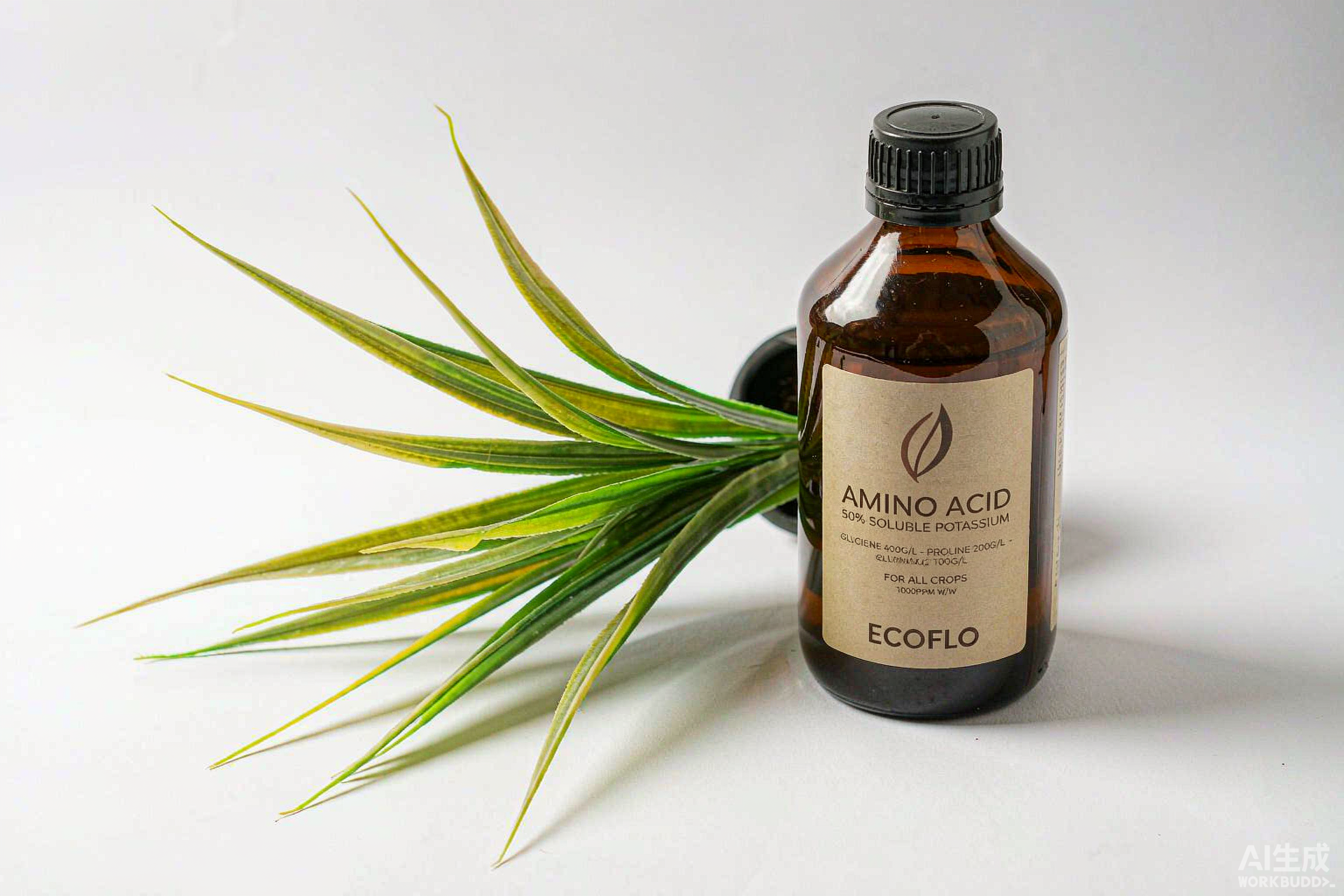
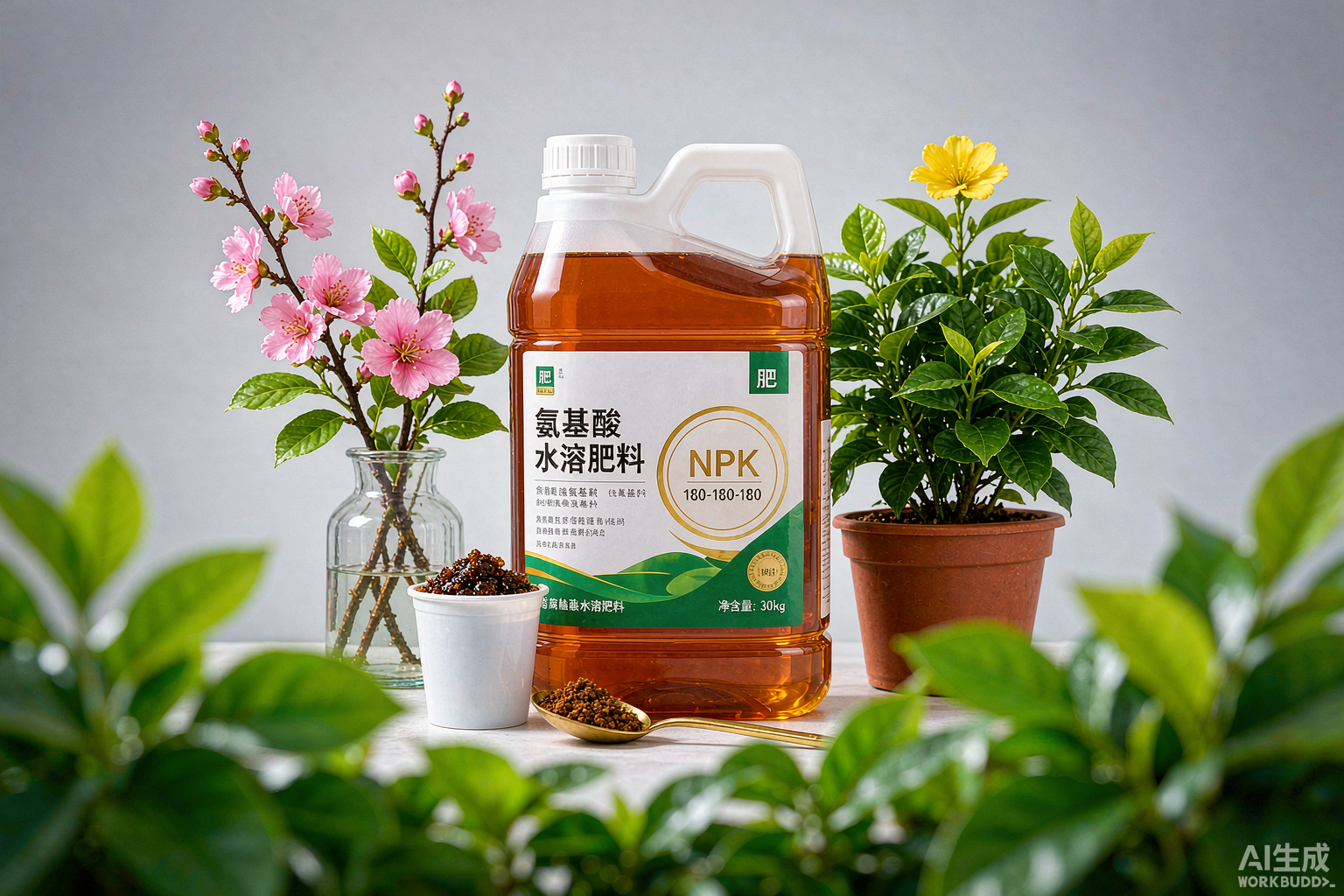
Interested in JINGFENG’s humic and fulvic acid products? Explore our full range of high-quality biostimulants and organic fertilizers.



Leave a Comment
Your email address will not be published. Required fields are marked *