






Humic Potassium Humate: A Key Soil Conditioner and Plant Growth Promoter
Introduction
Humic substances play a vital role in soil health and plant growth, contributing to the fertility and productivity of agricultural lands worldwide. Among these substances, humic potassium humate stands out as a highly effective, natural organo-mineral compound used extensively in modern agriculture. Derived from the decomposition of organic matter, humic potassium humate combines the benefits of humic acids with potassium, a vital plant nutrient, resulting in a potent soil conditioner and plant growth stimulant. This article explores the nature, benefits, production processes, applications, and environmental significance of humic potassium humate.
What is Humic Potassium Humate?
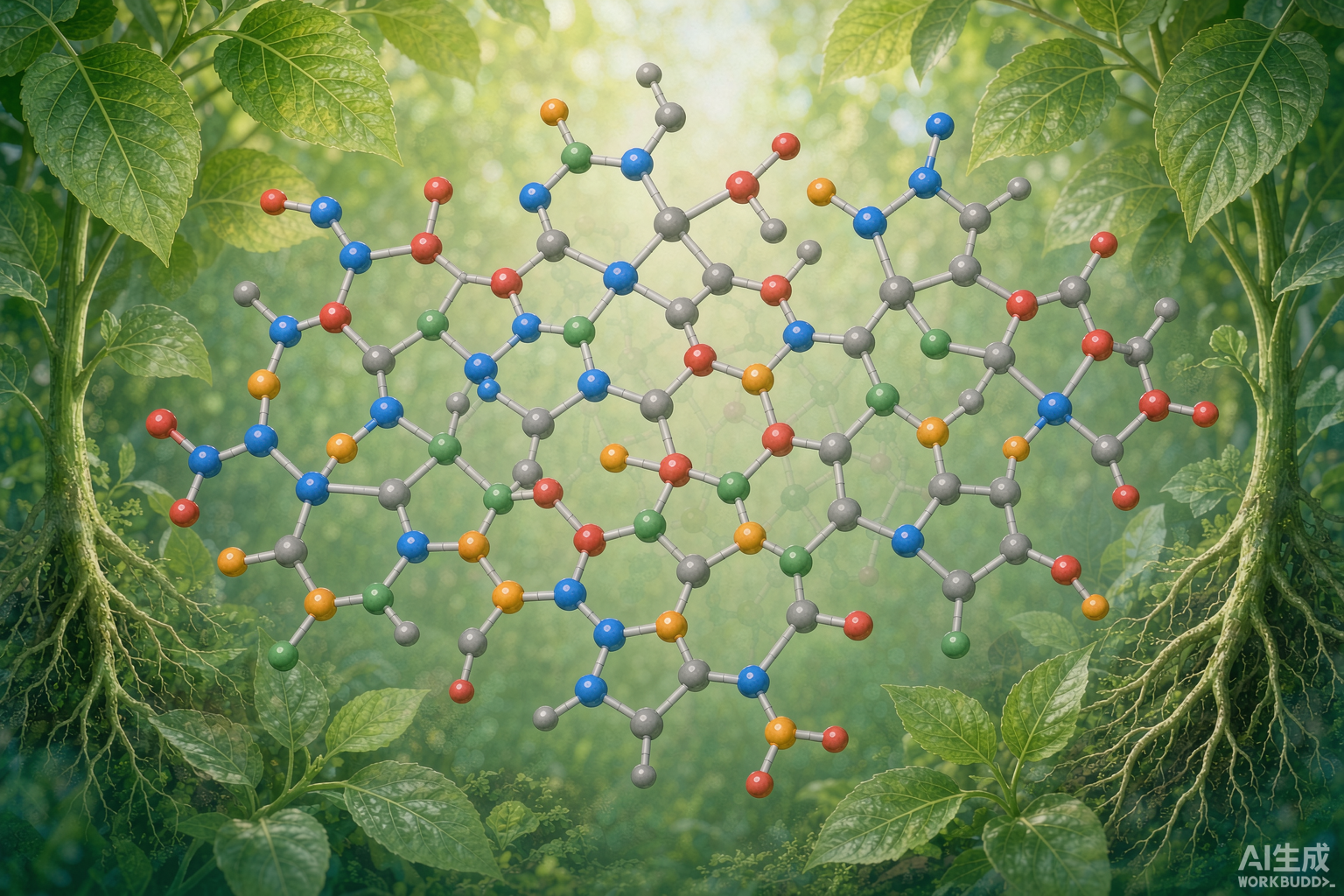
Humic potassium humate is a potassium salt of humic acid, a complex mixture of many different acids containing carboxyl and phenolate groups. Structurally, it is a dark, organic substance with a high molecular weight that is soluble in water. It originates from the natural decay of plant and animal material, undergoing biological and chemical transformation over millions of years, primarily in humus-rich layers of soil, peat, lignite, or leonardite.
The key feature of humic potassium humate is its rich content of humic acid, along with minerals and complex organic compounds. The potassium component is essential because it directly supplies potassium to plants, which is crucial for various physiological functions, including enzyme activation, photosynthesis, and osmotic regulation.
Production of Humic Potassium Humate
Humic potassium humate is typically produced through controlled extraction and purification processes from natural sources like leonardite, lignite, or composted organic matter. The manufacturing process involves several steps:
- Extraction: Raw material (e.g., leonardite) is grounded and mixed with water or alkaline solutions such as potassium hydroxide (KOH). This process dissolves humic acids and other organic constituents.
2.Filtration and Purification: The mixture is filtered to remove insoluble impurities, sugars, and other unwanted substances.
- 3. Concentration: The solution containing humic acids is concentrated through evaporation.
4. Drying and Granulation: The concentrated extract is dried to produce powder, granules, or liquids for easier handling and application.
Properties of Humic Potassium Humate
Humic Potassium humate appears as a black, shiny, and flake-like or granular powder that dissolves easily in water. It contains humic acid, fulvic acid, and potassium, which work synergistically to improve soil structure and boost plant performance. Being highly soluble, it can be applied through irrigation systems, foliar sprays, or directly into the soil.
Benefits for Soil
- Improves Soil Structure:Humic Potassium humate enhances the aggregation of soil particles, increasing porosity, aeration, and water retention.
Enhances Nutrient Availability: Humic substances chelate micronutrients such as iron, zinc, and manganese, making them more available to plants.
- Increases Cation Exchange Capacity : This allows soil to hold and exchange nutrients more efficiently, reducing leaching losses.
Stimulates Microbial Activity: By serving as a carbon source, humic potassium humate supports beneficial soil microorganisms.
Benefits for Plants
Promotes Root Development: It stimulates root elongation and branching, improving nutrient and water absorption.
Enhances Nutrient Uptake: The presence of potassium supports essential plant functions such as photosynthesis, enzyme activation, and protein synthesis.
Boosts Stress Resistance: Plants treated with potassium humate show greater tolerance to drought, salinity, and certain diseases.
Improves Yield and Quality: It leads to higher crop yields, better fruit set, and improved quality attributes such as size, taste, and shelf life.
Application Methods
Soil Application: Direct incorporation or fertigation to improve soil fertility.
Foliar Spray: Rapid nutrient absorption through leaves, enhancing plant vigor.
Seed Treatment: Improves seed germination and early root development.
Conclusion
Humic potassium humate is more than just a fertilizer—it is a soil conditioner, a nutrient enhancer, and a plant growth stimulant. By improving soil health and increasing nutrient efficiency, it offers a sustainable solution for modern agriculture. With global demand for eco-friendly inputs rising, humic potassium humate is set to play an increasingly important role in boosting crop productivity while preserving environmental balance.
Environmental Impact
As an organic fertilizer, humic potassium humate is environmentally friendly and sustainable. It reduces the dependency on chemical fertilizers, minimizes soil pollution, and promotes eco-friendly farming practices
Interested in JINGFENG’s humic and fulvic acid products? Explore our full range of high-quality biostimulants and organic fertilizers.





Leave a Comment
Your email address will not be published. Required fields are marked *