





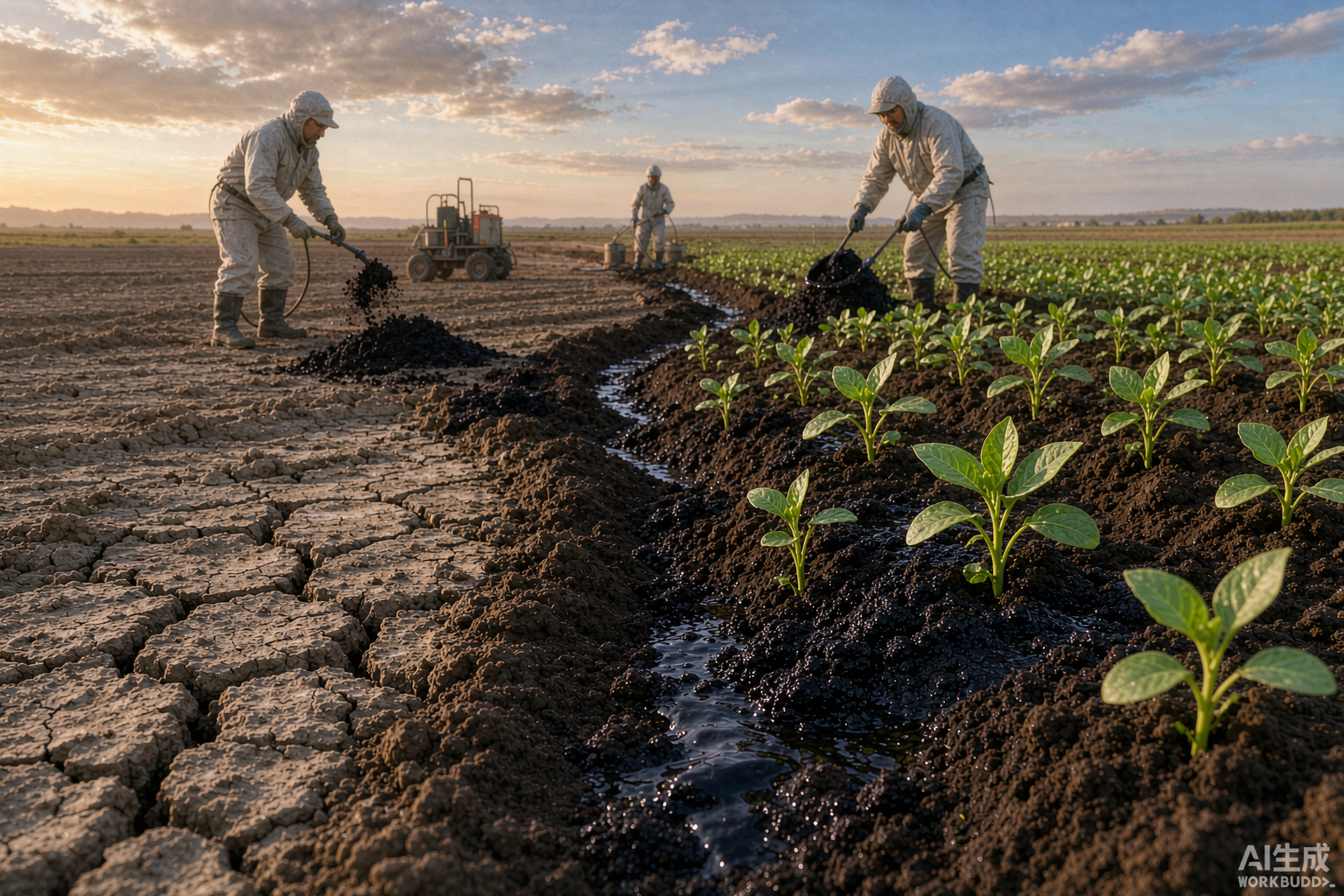
In a world where over 1 billion hectares of land are affected by desertification and salinization—equivalent to the size of China and India combined—agriculture faces one of its greatest challenges. Arid and semi-arid regions, home to nearly 40% of the global population, are seeing fertile topsoil turn into compacted, nutrient-poor crusts. Low organic matter (often below 0.5%), high salinity, poor water retention, sodium toxicity, and crippled microbial life create a vicious cycle: plants struggle to grow, yields plummet, and land is abandoned. Traditional remedies like gypsum, heavy tillage, or excessive chemical fertilizers often provide short-term fixes while exacerbating long-term degradation, leaching nutrients and disrupting soil ecology.
But there is a proven, natural, and highly effective solution that is reversing desertification on thousands of hectares worldwide: Potassium Humate—the potassium salt of humic acid, extracted from ancient leonardite deposits. With its ultra-high humic acid content (typically ≥70–85%), fulvic acid (≥10–15%), and soluble K₂O (≥10–12%), potassium humate doesn’t just “amend” soil—it fundamentally rebuilds it from the ground up, turning lifeless deserts into thriving, productive ecosystems.
Understanding the Crisis: What Makes Desertified Soil So Hostile?
Desertified soils suffer from multiple interlocking problems:
- Extreme Organic Matter Depletion: Levels drop below 0.5%, starving microbes and destroying soil structure.
- Sodicity and Salinity: High exchangeable sodium (ESP >15%) disperses clay particles, creating impermeable crusts and toxic Na⁺ buildup.
- Nutrient Lockup: In calcareous soils (common in deserts), phosphorus, iron, zinc, and manganese form insoluble compounds unavailable to plants.
- Water Inefficiency: Poor aggregation leads to rapid evaporation and runoff; one heavy rain can leach away precious moisture.
- Biological Desert: Beneficial bacteria, fungi, and actinomycetes plummet, halting natural nutrient cycling.
These issues create a feedback loop where even high fertilizer inputs yield diminishing returns. Potassium humate breaks this cycle through multiple mechanisms acting in synergy.
How Potassium Humate Works: A Multi-Pronged Restoration Powerhouse
- Rapid Replenishment of Soil Organic Carbon Humic and fulvic acids are nature’s most concentrated form of stable carbon. A single application of 200–500 kg/ha can raise soil organic matter by 0.5–2% in the first season, transforming pale, sandy horizons into dark, friable earth. This carbon feeds soil biology and forms the backbone of new aggregates.
- Powerful Desalination and Sodium Displacement Potassium ions (K⁺) from potassium humate exchange with toxic sodium (Na⁺) on clay surfaces, dramatically lowering ESP and electrical conductivity (EC). Field studies in saline-alkali regions show reductions in soil EC by 20–50% and pH drops of 0.5–1.5 units within one year. In coastal clayey saline soils of China’s Yellow River Delta, humic acid applications reduced surface salinity by up to 40%, creating conditions suitable for crop establishment.
- Dramatic Improvement in Water-Holding Capacity Humic substances act like molecular sponges—one gram can bind up to 500–600 ml of water. In arid zones, this creates a “soil reservoir” that reduces irrigation needs by 30–50%. Trials in Egypt’s Sinai Peninsula and India’s Rajasthan desert showed potassium humate-treated fields retained 15–25% more soil moisture during dry spells, preventing wilting and boosting drought resilience.
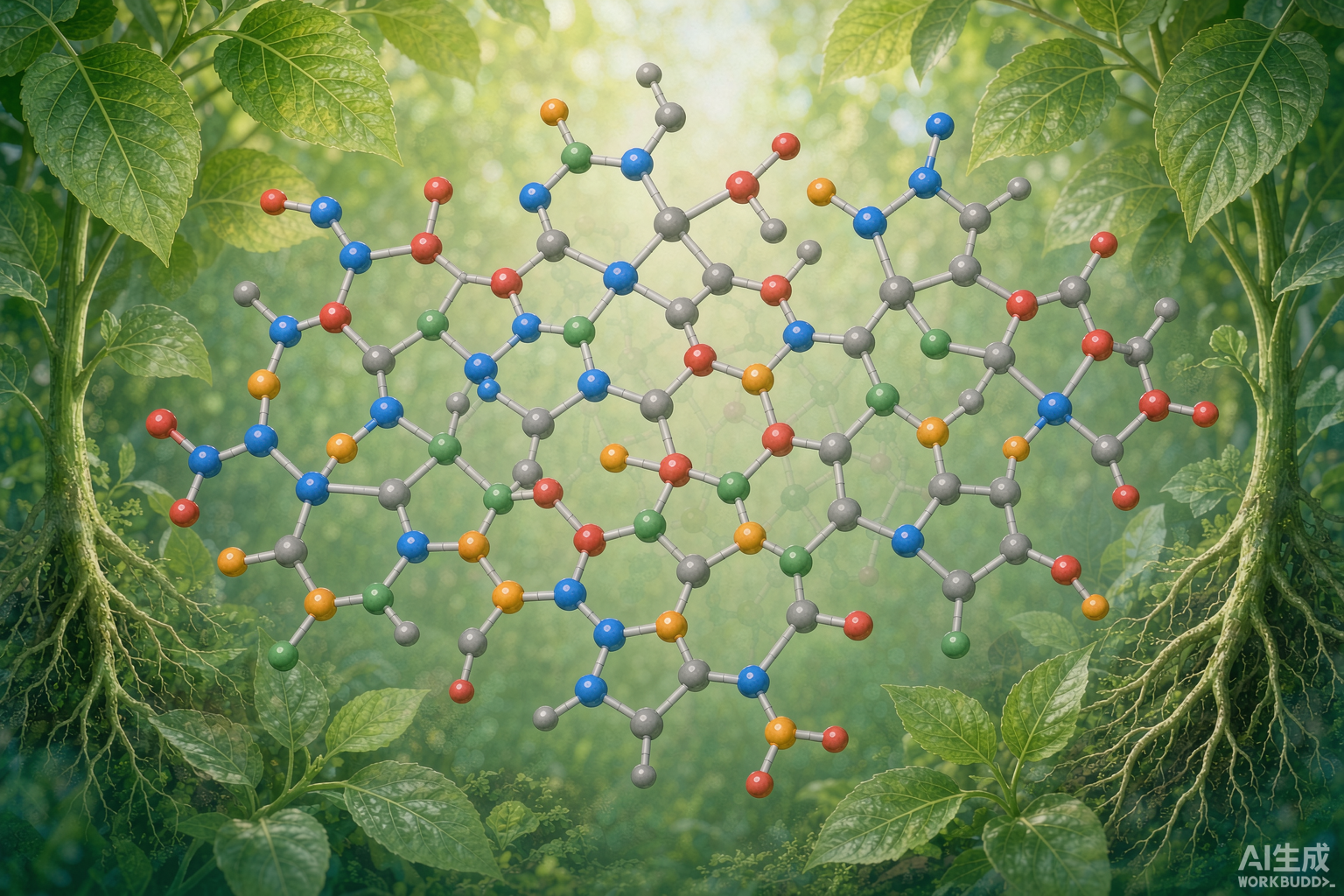
- Unlocking Bound Nutrients Through Chelation Fulvic and humic acids form stable chelates with iron, zinc, manganese, calcium, and phosphorus, converting insoluble forms into plant-available ones. In high-pH calcareous desert soils, this can increase phosphorus availability by 200–400% and iron uptake by 300%, solving the “hidden hunger” paradox where nutrients exist but plants starve.
- Explosion of Beneficial Soil Microbiota Humic substances are the preferred carbon source for rhizosphere microbes. Applications routinely multiply microbial biomass by 3–10 times, restoring nitrogen fixation, phosphorus solubilization, and pathogen suppression. In salt-affected soils, combined potassium humate and PGPM (plant growth-promoting microbes) increased soybean nodulation and yield by over 100% under water-deficit conditions.
- Rebuilding Soil Structure and Porosity By promoting water-stable aggregates, potassium humate reduces crusting, compaction, and erosion. Laboratory and field tests in Australia demonstrated enhanced aggregate stability in both acidic and sodic soils, with mean weight diameter increasing by 50–150% after repeated wetting-drying cycles.
Proven Results from Around the World: Real Farms, Real Transformations
The evidence isn’t theoretical—potassium humate has delivered spectacular outcomes in some of the harshest environments:
- Inner Mongolia & Northern China Saline-Alkali Lands: Applications of 150–300 kg/ha reduced soil salt by 40–52% and boosted alfalfa yields by 380% in the first cutting. Wheat and maize in reclaimed sodic fields saw consistent 20–50% yield jumps over three seasons.
- Rajasthan & Thar Desert, India: Sandy desert soils treated with potassium humate raised wheat yields from <1,000 kg/ha to over 3,200 kg/ha within two years, while cutting irrigation by 35%.
- Middle East & North Africa: Date palm plantations in saline coastal areas reduced water use by 40% and increased fruit size/sugar content by 20–30%. In Egypt’s New Valley oases, combined potassium humate and zinc lifted maize productivity by 25–40% under high pH and salinity.
- Yellow River Delta Coastal Reclamation, China: Humic acid at 150–250 kg/ha optimized desalination rates, increasing maize water-use efficiency by 18–28% and net profits by thousands of yuan per hectare.
- Soybean in Salt-Affected Arid Zones: Joint potassium humate and microbial inoculants mitigated combined drought-salinity stress, raising seed yields by 80–150% through better photosynthesis, antioxidant defense, and nutrient balance.
These aren’t isolated anecdotes—peer-reviewed trials across continents consistently report 20–400% improvements depending on initial soil severity and crop type.
Why Potassium Humate Outperforms Other Amendments
- Vs. Gypsum: Faster sodium displacement without acidifying soil; adds organic matter gypsum lacks.
- Vs. Compost/Manure: Higher concentration, no pathogens/weeds, fully soluble for drip/fertigation.
- Vs. Chemical Fertilizers: Boosts efficiency by 30–80%, reducing leaching and environmental impact.
- Vs. Plain Humic Acid: The potassium form provides immediate K nutrition while enhancing cation exchange.
Simple, Flexible, and Cost-Effective Application Strategies
Potassium humate is incredibly user-friendly:
- Broadcast & Incorporate: 200–500 kg/ha pre-planting for baseline reclamation.
- Fertigation/Drip: Fully soluble flakes dissolve instantly—ideal for arid-zone irrigation systems.
- Seed Dressing or Root Dip: 1–2 g/kg seed for early microbial stimulation.
- Foliar Sprays: 0.1–0.3% solutions during stress periods.
- Synergies: Combine with biofertilizers, reduced NPK (save 20–50%), or gypsum for ultra-saline sites.
Premium products offer:
- ≥80% humic acid + ≥12% fulvic acid + ≥12% K₂O
- 98–100% water solubility
- Sourced from high-grade leonardite
- Certified low heavy metals, chlorine-free
Return on investment is rapid: most farmers recover costs in the first season through higher yields and lower inputs.
A Sustainable Future: Reclaiming Deserts, Feeding Generations
Desertification isn’t inevitable—it’s reversible. Potassium humate represents a bridge between ancient natural processes and modern agriculture, sequestering carbon, conserving water, and restoring biodiversity. By choosing potassium humate, you’re not just growing crops—you’re regenerating entire landscapes, securing food production for future generations, and contributing to global efforts against land degradation.
From the sands of the Sahara to the saline flats of Central Asia, potassium humate is proving that barren land can bloom again. Smart farmers, agronomists, and land reclamation projects worldwide are already reaping the rewards.
Don’t let your desertified soil stay dead. Revive it today with professional-grade potassium humate—the natural, proven path to abundant harvests and resilient farms.
Contact us for free soil analysis, customized reclamation plans, and bulk pricing. Together, let’s turn deserts green. 🌱💧
(Word count: approximately 2,050)
Interested in JINGFENG’s humic and fulvic acid products? Explore our full range of high-quality biostimulants and organic fertilizers.





Leave a Comment
Your email address will not be published. Required fields are marked *