





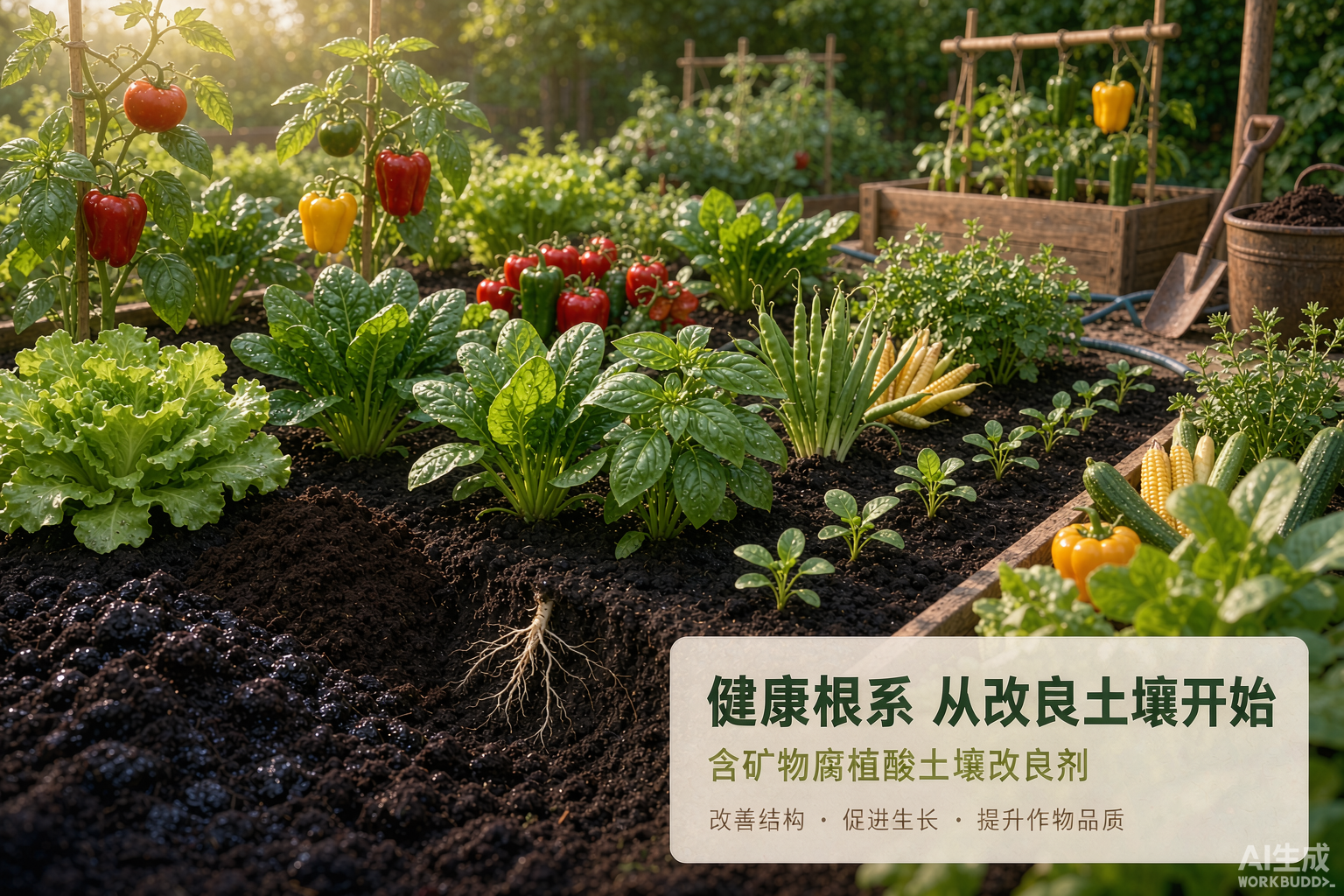
Derived from ancient organic matter (such as Leonardite, a mineral-rich precursor to coal), mineral fulvic acid is a small-molecule, water-soluble compound packed with carbon, trace minerals, and bioactive substances. Unlike other soil additives that only address one issue (e.g., fertilizers for nutrients, mulch for moisture), mineral fulvic acid acts as a “multi-tasking partner” for vegetable crops—targeting the root causes of poor growth while enhancing every stage of the plant’s life cycle.
Vegetables are heavy feeders: crops like tomatoes, peppers, cucumbers, and leafy greens demand constant access to nutrients, water, and healthy soil to thrive. Mineral fulvic acid bridges the gaps that traditional farming methods often miss, turning lackluster gardens into productive, resilient ones.
5 Key Benefits of Mineral Fulvic Acid for Vegetable Crops
1. Supercharges Nutrient Absorption (No More Wasted Fertilizer)
One of the biggest challenges for growers is ensuring vegetables actually use the fertilizers you apply. Most synthetic or organic fertilizers get locked in the soil (a problem called “nutrient immobilization”)—leaving crops hungry, even after you’ve invested time and money.
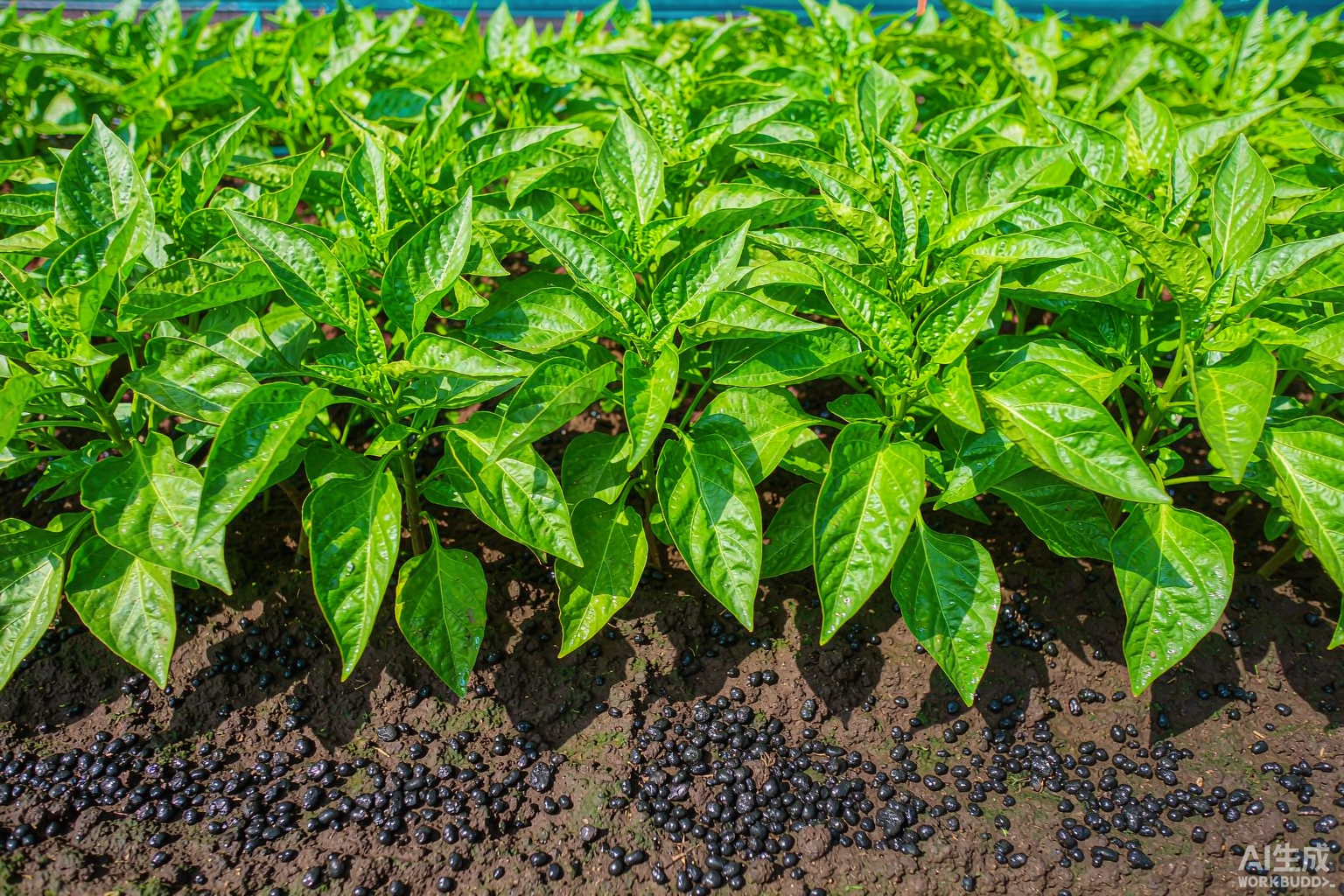
Mineral fulvic acid solves this by acting as a “nutrient shuttle.” Its tiny molecular structure binds to essential nutrients (nitrogen, phosphorus, potassium, calcium, iron, and zinc) and transports them directly to the plant’s roots. Studies show it can increase nutrient uptake by 30-50%—meaning your fertilizer works harder, and your vegetables get the fuel they need to grow faster and stronger.
For example: Leafy greens like spinach and lettuce often suffer from iron deficiency (shown as yellowing leaves). Adding mineral fulvic acid to the soil ensures iron is absorbed efficiently, keeping leaves deep green and nutrient-dense.
2. Strengthens Root Systems (The Foundation of Healthy Crops)
A vegetable’s root system is its lifeline—responsible for absorbing water, nutrients, and anchoring the plant. Weak roots lead to stunted growth, wilting, and vulnerability to disease.
Mineral fulvic acid stimulates root growth by activating beneficial microbes in the soil (e.g., mycorrhizal fungi) that form symbiotic relationships with roots. These microbes expand the root’s reach, allowing it to access water and nutrients from deeper in the soil. The result? Thicker, longer, more branched roots that make your vegetables more resilient to drought and soil compaction.
Tomato growers often report that plants treated with mineral fulvic acid develop root systems twice as large as untreated plants—leading to more fruit, fewer blossom-end rots, and better resistance to transplant shock.
3. Enhances Soil Health (Long-Term Fertility, Not Just Quick Fixes)
Healthy vegetables start with healthy soil. Over time, repeated planting, chemical fertilizers, and erosion can deplete soil organic matter, lower pH balance, and kill beneficial microbes—turning fertile soil into a “dead” environment.
Mineral fulvic acid rebuilds soil health in two key ways:
- It enriches soil with organic carbon, which feeds beneficial bacteria and fungi. These microbes break down organic matter into nutrients, improve soil structure (making it looser and more porous), and prevent nutrient leaching.
- It balances soil pH. Whether your soil is too acidic (common for leafy greens) or too alkaline (a problem for tomatoes and peppers), mineral fulvic acid acts as a buffer, creating the optimal pH range for nutrient absorption.
After just one growing season, growers notice softer, more crumbly soil that retains moisture better—reducing the need for frequent watering and creating a self-sustaining ecosystem for future crops.
4. Boosts Stress Resistance (Protect Crops from Drought, Disease, and Pests)
Vegetable crops face constant threats: drought, extreme temperatures, fungal diseases (like powdery mildew), and pest infestations. These stresses weaken plants, reduce yields, and can even kill entire crops.
Mineral fulvic acid strengthens a plant’s natural defense system by:
- Increasing the production of antioxidants (e.g., vitamin C and E) that protect cells from damage caused by drought or heat.
- Enhancing the plant’s cell walls, making it harder for pests (like aphids) and fungi to penetrate.
- Improving water retention in both the soil and the plant. During dry spells, treated crops stay hydrated longer, while untreated plants wilt and die.
In trials, cucumber plants treated with mineral fulvic acid had a 40% lower incidence of powdery mildew and survived 10+ days without water—compared to just 5 days for untreated plants.
5. Improves Yield and Quality (More Produce, Better Taste)
At the end of the day, every grower wants two things: more vegetables and better-tasting ones. Mineral fulvic acid delivers on both.
By optimizing nutrient uptake, root growth, and stress resistance, it helps vegetables reach their full genetic potential. Growers report:
- 20-30% higher yields: More tomatoes per plant, larger heads of broccoli, and heavier bunches of carrots.
- Better quality: Vegetables have brighter colors (e.g., deeper red tomatoes, vibrant green kale), firmer texture, and higher nutrient content (more vitamins, minerals, and antioxidants).
- Longer shelf life: Treated vegetables stay fresh longer after harvest—reducing waste and increasing profits for commercial growers.
How to Use Mineral Fulvic Acid for Your Vegetable Crops
Mineral fulvic acid is easy to integrate into your existing routine, and it works for all types of vegetable gardens (container gardens, raised beds, or large-scale farms). Here are simple application methods:
- Soil drench: Mix 1-2 tablespoons of liquid mineral fulvic acid per gallon of water and water your crops at the base (focus on the root zone) every 2-3 weeks.
- Foliar spray: Dilute the solution and spray directly on leaves—this is ideal for quick nutrient boosts (e.g., during transplanting or fruit development).
- Seed soaking: Soak vegetable seeds in a diluted solution for 4-6 hours before planting to speed up germination and strengthen young seedlings.
Join the Growers Who Are Transforming Their Vegetable Crops
Mineral fulvic acid isn’t just another fertilizer—it’s a natural, sustainable way to grow healthier, more productive vegetables while improving your soil for years to come. Whether you’re a home gardener growing tomatoes for your family or a commercial farmer looking to boost profits, it’s the missing piece in your growing strategy.
Say goodbye to stunted growth, nutrient deficiencies, and wasted effort. Try mineral fulvic acid today—and watch your vegetable crops thrive like never before.
Interested in JINGFENG’s humic and fulvic acid products? Explore our full range of high-quality biostimulants and organic fertilizers.



Leave a Comment
Your email address will not be published. Required fields are marked *