





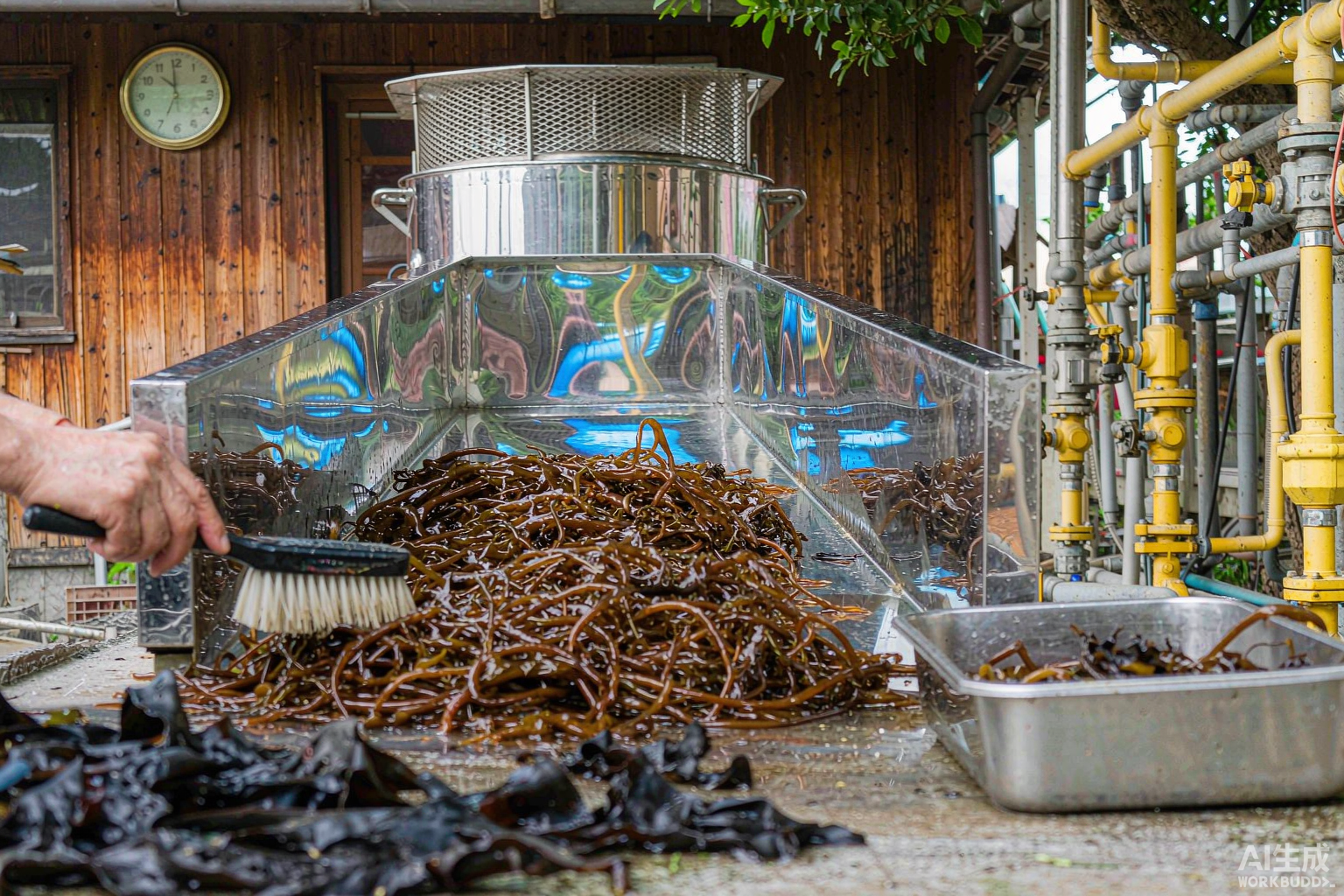
Overview of Brown Seaweed Extract Production
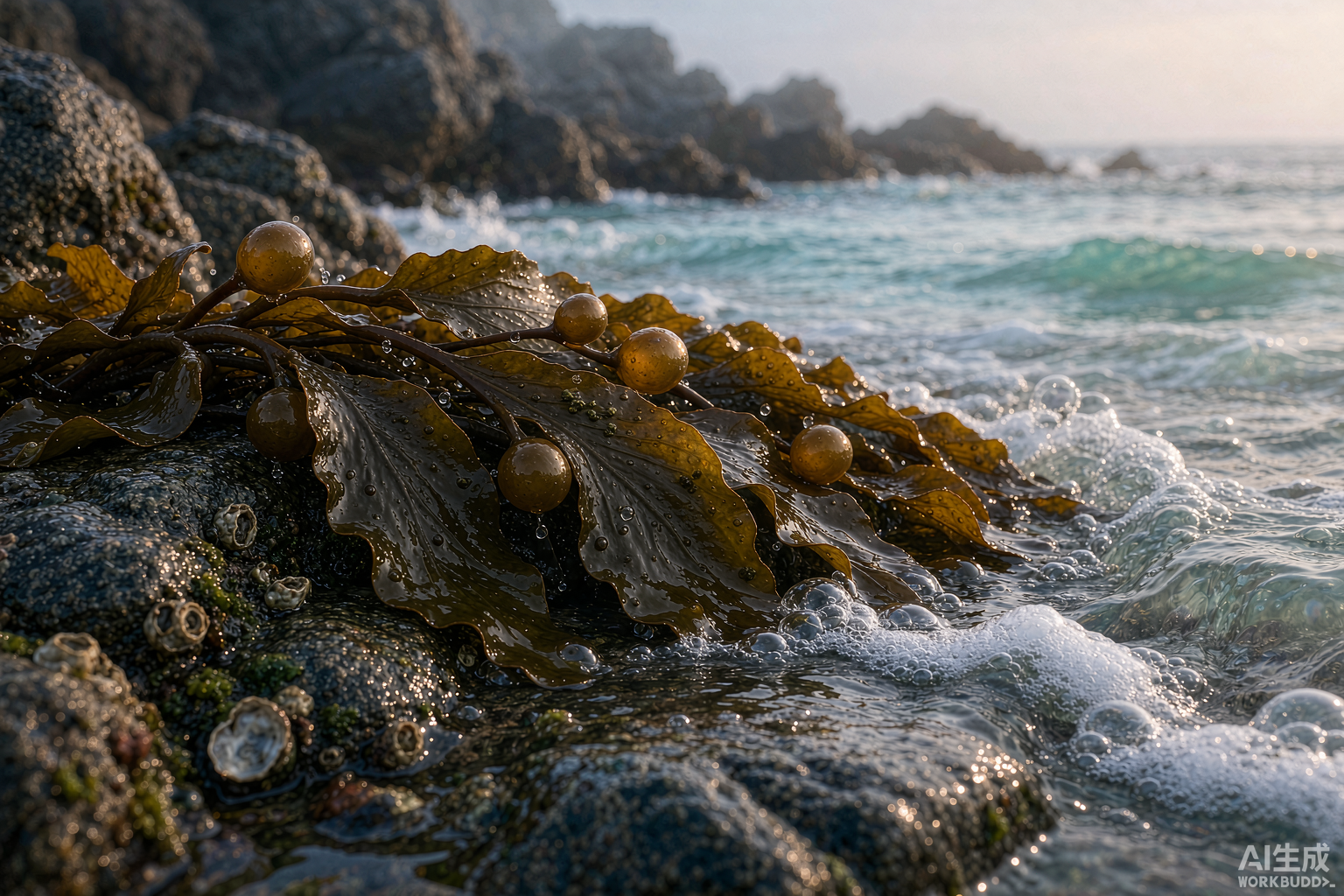
Brown seaweeds (Phaeophyceae), such as Ascophyllum nodosum, Laminaria digitata, Saccharina latissima, and Sargassum wightii, are rich in bioactive compounds like alginates, fucoidans, laminarin, and phlorotannins. These are extracted for applications in food, pharmaceuticals, cosmetics, agriculture (e.g., biostimulants), and biofuels. The production process typically involves wild harvesting or aquaculture, followed by pre-treatment and extraction. Global production of seaweed hydrocolloids from brown algae is around 55,000 tonnes annually, valued at over US$585 million, with alginate being the primary extract (US$213 million). Cultivation is limited for industrial extraction due to high costs, so most raw material comes from wild sources in cold waters (up to 20°C).
The process varies by target compound but follows a general workflow: harvesting, pre-treatment, extraction, purification, and drying. Below, I’ll outline the standard industrial process, with specifics for key extracts.
General Production Process Steps
The process is often a biorefinery approach, maximizing yields by sequential extraction of multiple compounds. Here’s a step-by-step breakdown:
| Step | Description | Key Methods/Tools | Notes |
| 1. Harvesting | Collection of mature seaweed from wild beds (e.g., coasts of Scotland, Ireland, Norway) or farms. Species like A. nodosum yield ~30,000 wet tonnes/year globally. | Mechanical cutting, hand-harvesting, or aquaculture (e.g., ropes for L. digitata). Sustainable quotas prevent overexploitation. | Focus on clean, unpolluted waters; seasonal (e.g., winter for higher alginate content). Wet weight: ~1 million tonnes harvested annually for extracts. |
| 2. Pre-treatment | Cleaning to remove sand, salt, and epiphytes; then washing, milling/chopping, and drying to 10-15% moisture. | Washing with seawater/freshwater; drying via sun, hot air, or freeze-drying; grinding to 1-5 mm particles. | Reduces impurities and facilitates extraction; energy-intensive but essential for storage/transport. |
| 3. Extraction | Solvent-based release of target compounds. Alkaline for alginates; acid/water for fucoidan/laminarin. | – Alkaline (Na₂CO₃, 1.5-7.5%, 60-90°C, 1-3 hours). – Acid (HCl 0.1-5%, pH 2-2.5, 70°C). – Advanced: Microwave-assisted (MAE) or heat/pressure percolation for faster yields. | Yields: Alginate 20-40% dry weight; fucoidan 5-10%. MAE reduces time/solvent by 50-80%. |
| 4. Separation & Purification | Filtration/centrifugation to isolate crude extract; precipitation and chromatography for purity. | Filtration; ethanol/acetone precipitation; ion-exchange or size-exclusion chromatography. | Removes residuals (e.g., cellulose); achieves 95% purity for pharmaceuticals. By-products (e.g., proteins) can be valorized. |
| 5. Concentration & Drying | Evaporation and final drying to powder/granules. | Spray-drying or freeze-drying; milling to mesh size (e.g., 40 for high-purity). | Final product: Soluble powders for food/feed; yields ~7-37% for combined extracts. |
Specific Processes for Key Extracts
- Alginate (Primary Hydrocolloid): Used as thickener/stabilizer in food and pharma. From cell walls as calcium/magnesium salts, converted to soluble sodium alginate. Process: Acidify (HCl to pH 3) → Alkaline extract (Na₂CO₃) → Precipitate with CaCl₂ → Convert to Na-alginate with Na₂CO₃ → Dry. Yield: 20-40% from Laminaria spp. Patented methods like reactive extrusion improve efficiency.
- Fucoidan (Sulfated Polysaccharide): Bioactive for anti-inflammatory/antiviral uses. Cold-water extraction (e.g., Maritech™ process) from M. pyrifera or L. digitata: Pre-treat → Acid/water extract (pH 2-6, 40-70°C) → Ethanol precipitation → Dialysis/chromatography. Purity up to 95%; retains high molecular weight for bioactivity.
- Laminarin (Water-Soluble Storage Polysaccharide): For biofuels or prebiotics. Dilute-acid hydrolysis (0.1 M HCl, 70°C, 1 hour) from L. digitata, followed by fermentation for succinic acid (86% sugar conversion yield).
- Other Bioactives (e.g., Phlorotannins, Carotenoids): Green solvents (e.g., ethanol) or MAE for antioxidants. Tailored for cosmetics/pharma; e.g., Padina pavonica extracts support skin hydration better than hyaluronic acid.
Advanced and Sustainable Trends
- Innovations: Microwave-assisted extraction (MAE) cuts time and solvents; biorefineries cascade extracts (e.g., fucoidan first, then alginate) for zero-waste. Wet routes minimize drying energy.
- Challenges: High energy use in drying/extraction; seasonal variability. Europe focuses on aquaculture for L. digitata to boost local production.
- Sustainability: Integrated multi-trophic aquaculture (IMTA) with fish farms recycles nutrients; reduces GHG impacts in livestock feed applications.
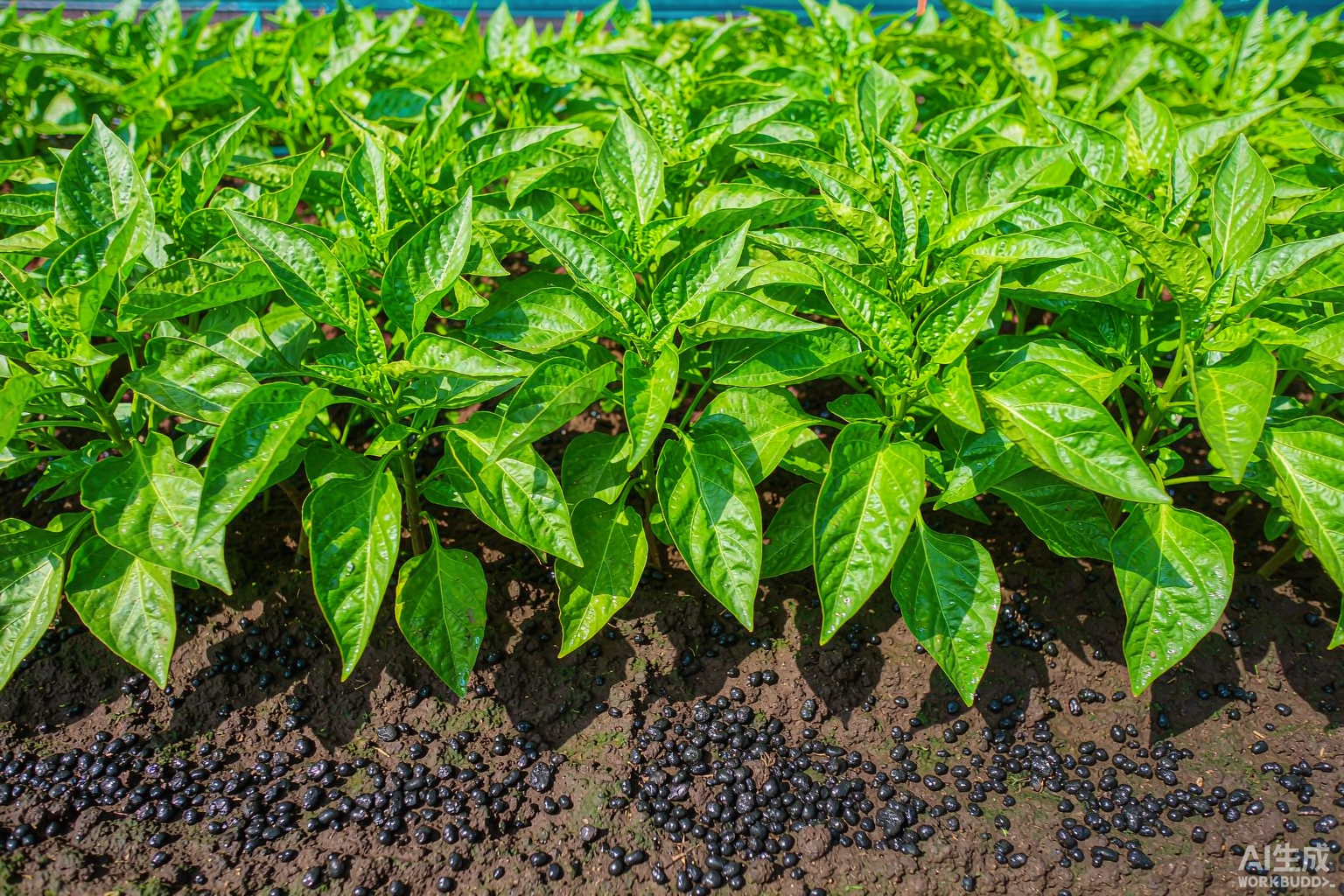
Interested in JINGFENG’s seaweed extract products? Explore our full range of high-quality biostimulants and organic fertilizers.


Leave a Comment
Your email address will not be published. Required fields are marked *