



Products / Humic & Fulvic Acid
Humic & Fulvic Acid
From leonardite to field-ready biostimulants.
From leonardite to field-ready biostimulants – potassium fulvate, insoluble humic acid, potassium humate, liquid humic, sodium humate/fulvate, and food grade fulvic acid in 48 forms. Bio fulvic acid is the exception: it is produced by microbial fermentation of sugarcane bagasse, not mined from leonardite.
What are humic & fulvic acids?
Humic acid and fulvic acid are natural macromolecules formed when plant and microbial matter decomposes and then polymerizes over geological time in leonardite (weathered lignite), peat, and brown coal. Fulvic acid is the lowest-molecular-weight, most water-soluble fraction – small enough to be taken up directly by roots and foliage. JINGFENG sources its material from leonardite, not from secondary by-products, so the active carbon fraction is consistent batch to batch. See the chemistry on Wikipedia: Humic acid Bio fulvic acid is the exception in the range: JINGFENG produces it by microbial fermentation of sugarcane bagasse rather than from leonardite, but it is the same fulvic-acid molecule.
Specification values are guaranteed minimums on a dry basis. A batch-specific Certificate of Analysis accompanies every shipment.
Why JINGFENG
For its mineral-source range, JINGFENG controls the chain from mine to finished granule: owned leonardite supply, in-house manufacturing with customizable particle size and sodium-free grades, and third-party certification (CERES, ISO 9001; the potassium humate line also carries EU REACH). Bio fulvic acid is produced separately, by microbial fermentation of sugarcane bagasse, under the same quality system. Every shipment is accompanied by a batch-specific Certificate of Analysis, and all specification values on this site are guaranteed minimums on a dry basis.
Eight product families

Mineral Source Potassium Fulvate
High fulvic + humic acid with potassium. Fast-acting, water-soluble or custom sodium-free grades for closed systems and sensitive crops.
View family

Insoluble Humic Acid
Leonardite-derived humic acid that stays in the root zone and soil matrix – soil structure, carriers, and industrial uses.
View family

Potassium Humate
Highly water-soluble potassium humate for foliar, drip, and basal application across crops and formulations.
View family
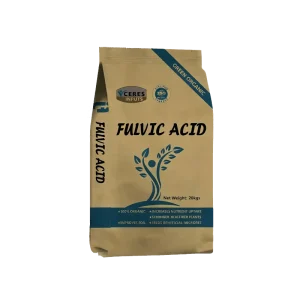
Bio Fulvic Acid
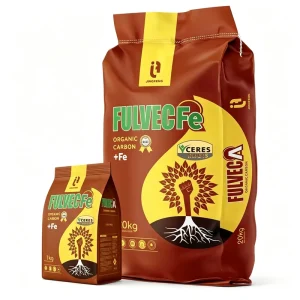
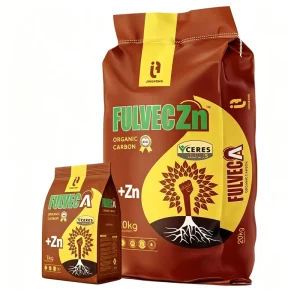
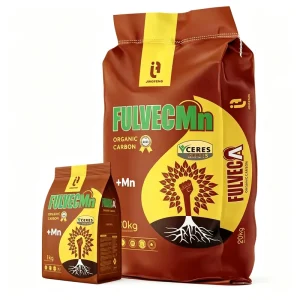
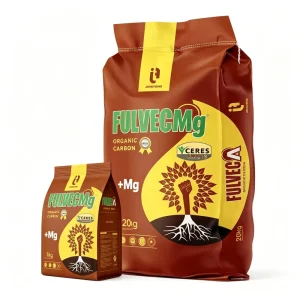
Microbial-fermented fulvic acid – 50-90% powders plus chelated Ca, Fe, Zn, Mn and Mg, and a dust-free granule. Not from leonardite: made for foliar feeding and deficiency correction.
View family
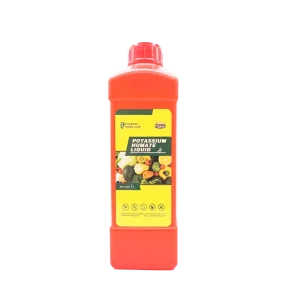
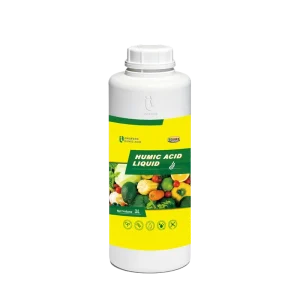
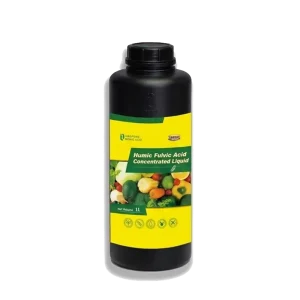
Humic Acid Liquid
Ready-to-use liquid humic and humic+fulvic concentrates for fertigation, drip, and foliar – no dust, easy metering, instant mixing.
View family
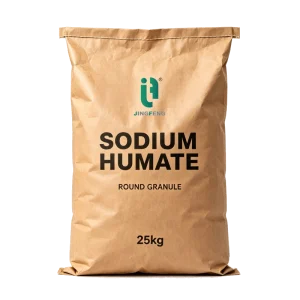
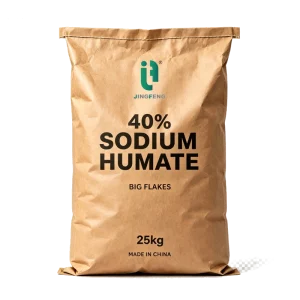
Sodium Humate
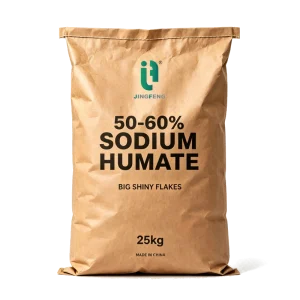
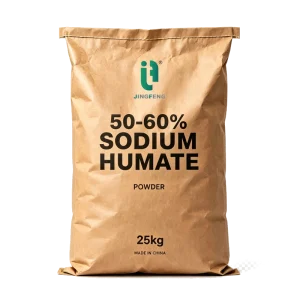
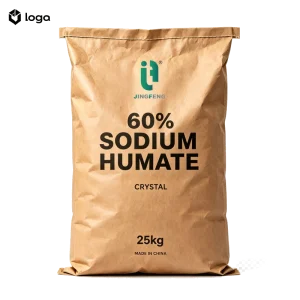
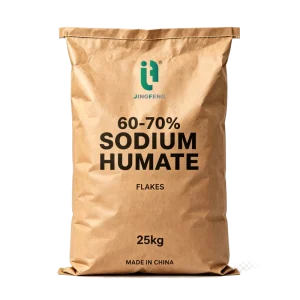
Sodium-extracted humate from 30% to 65% humic acid, in granule, flake, powder, and crystal form – the workhorse for blends, drilling fluids, and water treatment.
View family
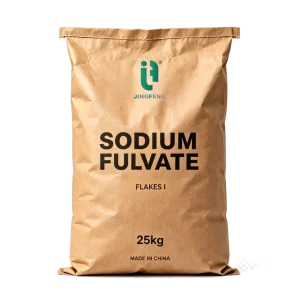
Sodium Fulvate
High-fulvic sodium fulvate flakes, fully water soluble – for foliar, drip, and formulations that need fast plant uptake.
View family
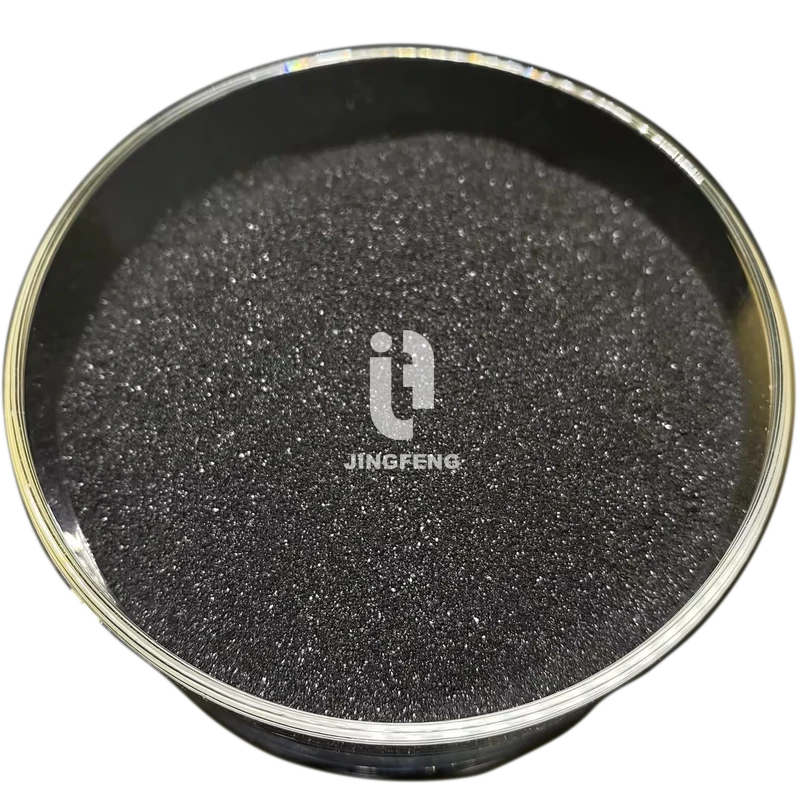
Food Grade Fulvic Acid
Mineral-source (lignite) food grade fulvic acid – powder 50% and liquid 90% fulvic acid, 100% water soluble, heavy metals below detection. For nutraceutical and personal-care formulations.
View family
All 48 products
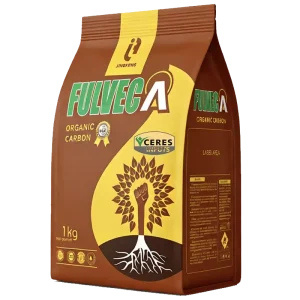
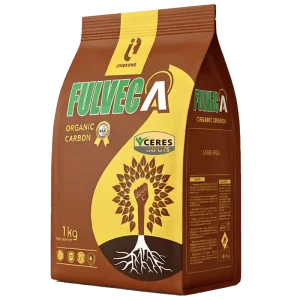
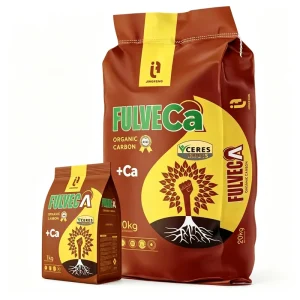
Every mineral-source form below comes from a single leonardite source – available for bulk supply, private label, and tender specification. Bio fulvic acid is produced separately by microbial fermentation of sugarcane bagasse, not from leonardite. Food grade fulvic acid is a mineral-source (lignite) line for nutraceutical and personal-care use. Click any card for full specifications.


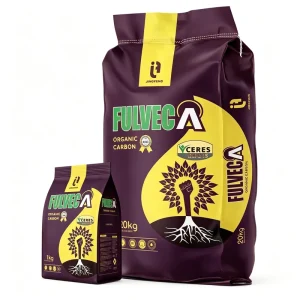
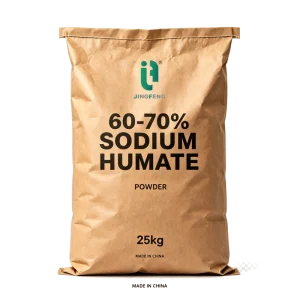
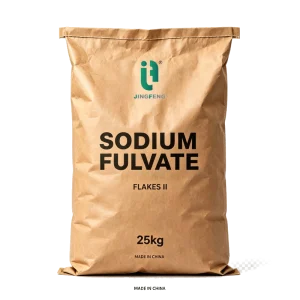
Form & selection guide
| Form | Size | Water solubility | K2O | Typical use | Why choose |
|---|---|---|---|---|---|
| Liquid | Ready to dilute | 100% miscible | – | Fertigation, drip, foliar | No dust, instant mixing |
| Powder | 80-100 / 60-80 mesh | Variable | Low | Blending, dust-sensitive process | Fast wet-out |
| Flake | 2-4 mm | Variable / 100% | Low-Med | Bulk blend, sea freight | Low dust, free-flowing |
| Micro granule | Hollow granule | High | Med | Instant dissolution | Pouring / metering |
| Granule / Prill | 2-4 mm | Low / 100% | Low | BB fertilizer, basal | Hard, free-flowing |
| Crystal | 1-2 / 2-4 mm | 100% | Med | Drip, foliar | Shiny, soluble |
| Round granule | 4-6 mm | Low | Low | Organic base, BB | Disc-granulated |
Applications
FAQ
What is the difference between humic acid and fulvic acid?
Humic acid is the broader, higher-molecular-weight fraction that stays in the soil and improves structure and cation exchange. Fulvic acid is a smaller, fully water-soluble fraction that plants can absorb directly through roots and leaves. Both are extracted from the same leonardite source; our potassium fulvate line is enriched in the fulvic fraction. Bio fulvic acid is the exception: it is produced by microbial fermentation of sugarcane bagasse, not from leonardite.
Powder, flake, or granule – which should I choose?
Match the form to your process. Powder wets out fastest and suits blending where dust is manageable. Flakes and granules are free-flowing and low-dust for bulk blending and sea freight. Micro granule dissolves almost instantly for pouring and metering. Choose water-soluble forms (100% soluble) for drip and foliar, and insoluble or low-solubility forms where you want the material to stay in the root zone.
What does 100% water solubility mean, and does it matter for drip irrigation?
100% water solubility means the product dissolves completely with no residue, so it will not clog drip lines or emitters. It matters whenever you apply through irrigation or as a foliar spray. For basal application or soil amendment where the product stays in the ground, solubility is less critical.
Can you make sodium-free or custom particle sizes?
Yes. The potassium fulvate and potassium humate lines can be made sodium-free, and particle size can be specified (for example 2-4 mm flakes or 4-6 mm round granules). Tell us your process and we will match the grade.
Need the full Certificate of Analysis, MSDS, or TDS for your formulation or tender file?