



Products / Amino Acid
Amino Acid
Plant and animal protein hydrolysates – 30% to 90% total amino acids.
Twenty-one amino acid grades made by JINGFENG: acid-hydrolysed and enzymatically hydrolysed powders from 30% to 90% total amino acids, ready-to-dose liquids from 200 to 500 g/L, a low-dust round granule, and amino acid chelates for trace elements, calcium and magnesium.
What are amino acid biostimulants?
Amino acids are the building blocks of proteins and, in free form, the most readily absorbed nitrogen source a plant or an animal can take up. JINGFENG makes its range from plant protein (soybean) or animal protein by acid or enzymatic hydrolysis, which cuts the protein chain down into free amino acids, short peptides and water-soluble nitrogen. The result is a fully water-soluble input used as a foliar and fertigation biostimulant, a chelating agent for trace elements, and a bioavailable protein source for feed rations.
Specification values are guaranteed minimums. Heavy metals are tested to NY/T 1978-2022 on every amino acid grade, and a batch-specific Certificate of Analysis accompanies every shipment.
Why JINGFENG
JINGFENG runs hydrolysis, purification, chelation and drying in-house, so the process is chosen to fit the job rather than the other way round: acid hydrolysis where the free amino acid share has to be high, enzymatic hydrolysis where the peptide profile and a residue-free process matter, and chloride-controlled or salt-free routes for chloride-sensitive crops and low-salt feed rations. Heavy metals are tested to NY/T 1978-2022 on every amino acid grade. Every shipment carries a batch-specific Certificate of Analysis, and all specification values on this site are guaranteed minimums.
Four amino acid groups
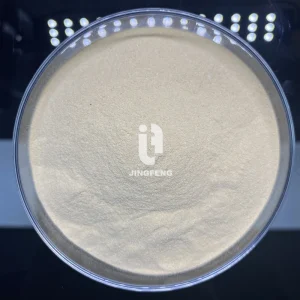
Hydrolyzed powder
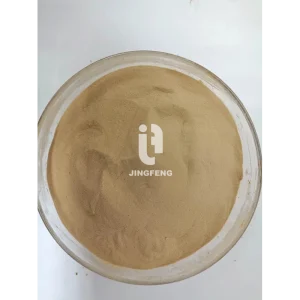
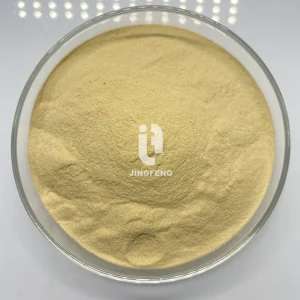
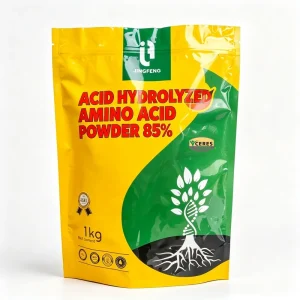
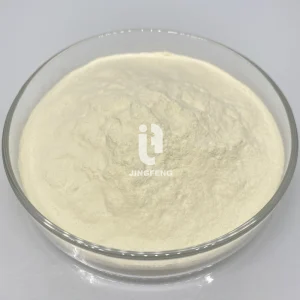
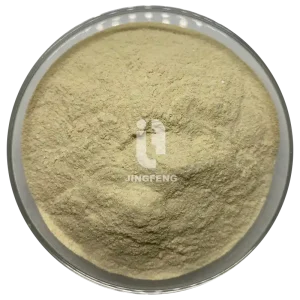
Acid-hydrolysed powder from 30% to 90% total amino acids, 100% water soluble – the straight grades for foliar, fertigation, dry blends and feed.
See products
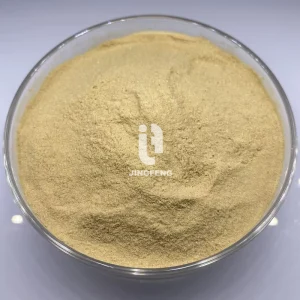
Enzymatic powder
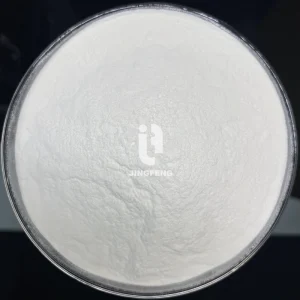
Enzymatically cut at 80% and 90%, with the peptide fraction intact and no chemical residue – the grades specified for cosmetics and organic programmes.
See products

Liquid grades
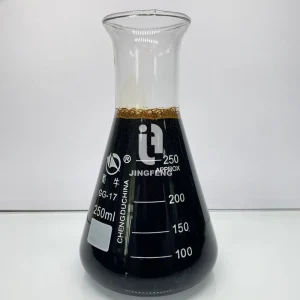
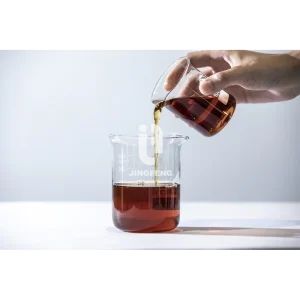
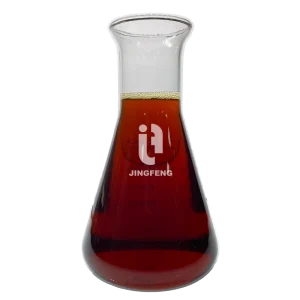
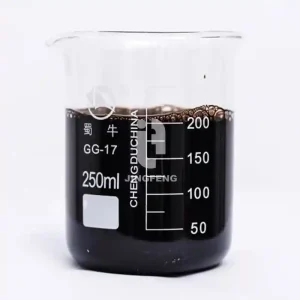
Ready-to-dose liquids from 200 to 500 g/L, including salt-free, transparent, enzymatic, chelated trace-element, calcium-magnesium and oligosaccharide grades.
See products
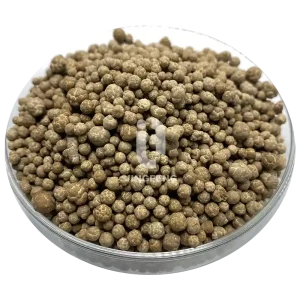
Chelates & granule
Amino acid used as a carrier and as a format: chelated trace elements in powder form, and a low-dust round granule for spreaders and granular blends.
See products
All 21 products
Every grade below is available for bulk supply, private label and tender specification. Click any card for the full specification, amino acid profile and application rates.
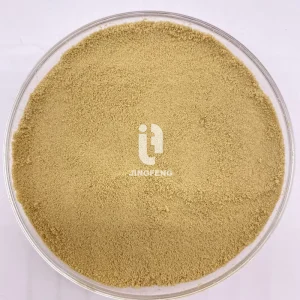
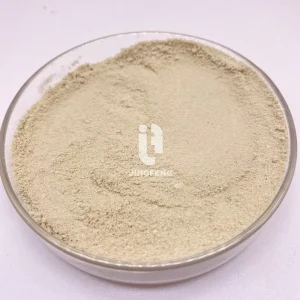
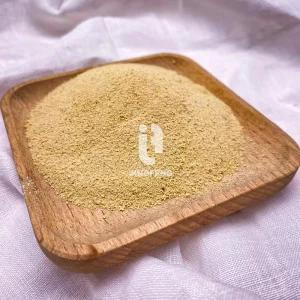
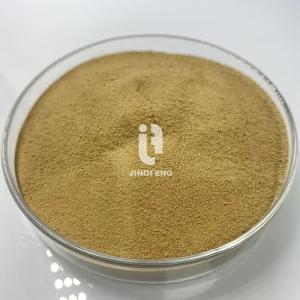
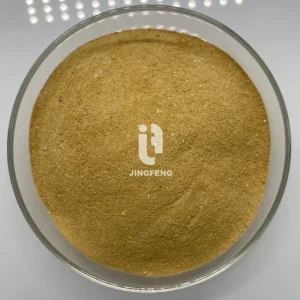
Group & selection guide
| Group | Process | Total amino acid | Form | Typical use | Why choose |
|---|---|---|---|---|---|
| Hydrolyzed powder | Acid hydrolysis | 30 – 90% | Fine powder, 100% soluble | Foliar, fertigation, dry blends, feed | Highest free amino acid share |
| Enzymatic powder | Enzymatic hydrolysis | 80 – 90% | Fine powder, 100% soluble | Cosmetics, organic, premium foliar | No chemical residue, peptides intact |
| Liquid grades | Hydrolysis and chelation | 200 – 500 g/L | Concentrated liquid | Drip, fertigation, spray tank | No dissolving step, meters straight in |
| Chelates & granule | Chelation and granulation | 25% free and up | Powder, round granule | Deficiency correction, broadcasting | Amino acid keeps the element mobile |
Applications
FAQ
What is an amino acid biostimulant and how is it made?
Amino acid biostimulants are made by hydrolysing plant or animal protein – with acid, or with selected enzymes – until the chain is cut into free amino acids and short peptides. Plants take those molecules up directly through leaf and root instead of having to break protein down first, which is why the response is fast, and why the same material works as a foliar biostimulant, a chelating agent and a feed protein source.
Hydrolyzed or enzymatic – which process should I specify?
Acid hydrolysis cuts hard and gives a high free amino acid share – the 90% grade carries at least 85% in the free form, which is what you want when the response has to be immediate. Enzymatic hydrolysis cuts at specific bonds, so the amino acids keep their integrity, the peptide fraction survives and no chemical residue is left behind. Specify enzymatic for cosmetics, organic programmes and premium foliar work, and acid-hydrolysed where free amino acid content per tonne is the buying criterion.
Which grade do I need – 30%, 50%, 80% or 90%?
Start from what the programme has to do. The 30% and 45% grades are area grades – field crops, orchards and greenhouse blocks measured in hectares. The 50% to 70% grades are the general-purpose foliar and fertigation grades and the usual base for making liquid amino acid fertiliser on site. The 80% and 85% grades are specified when the response has to come from a small dose, and the 90% grades are the ones named in feed rations and cosmetic formulations. Liquids remove the dissolving step entirely.
Is it suitable for feed, cosmetic and organic use?
Yes. The material is a protein hydrolysate with no synthetic additives, and the enzymatic grades carry no chemical residue from processing. Amino acid powders are widely used in feed premixes and in cosmetic formulations, where the low sodium and skin-compatible pH of the high grades are the reasons they are specified. Chloride level, total amino acid content, particle size and pack format can all be made to order, and every batch ships with its own Certificate of Analysis.
Need the full Certificate of Analysis, MSDS or TDS for your formulation or tender file?
 8618920222224